
No Experience Necessary: The Top 4 Beginner-Friendly Snakes


When it comes to choosing a pet, snakes are often misunderstood, especially by first-time reptile owners. However, snakes can make amazing pets that are relatively low maintenance compared to other pets like dogs or cats.
If you're a beginner looking to get into snake ownership, it's essential to pick a species that is easy to handle, requires minimal care, and can adapt well to being in captivity.
In this article, we'll explore four beginner-friendly snakes that are perfect for new reptile enthusiasts.
Whether you're drawn to their unique behaviors or low-maintenance care, these snakes are a great starting point for first-time owners.
Why Choose Snakes as Pets?

Before diving into the best beginner snakes, let’s talk about why snakes make excellent pets for newcomers. For one, snakes are low-maintenance, requiring little attention compared to mammals.
They don't need daily walks or constant grooming, and they can thrive in a controlled environment with the right setup.
Additionally, snakes are quiet, making them ideal for people who live in apartments or want a pet that doesn't create much noise. Lastly, many snakes have docile temperaments, making them easy to handle and interact with.
However, even though snakes can be easier to care for than other pets, it's still essential to learn about their specific needs, including their habitat, diet, and general care requirements.
The Best 4 Beginner-Friendly Snakes
Now that you understand the benefits of owning a snake, let's dive into four species that are perfect for beginners:
1. Ball Python (Python regius)
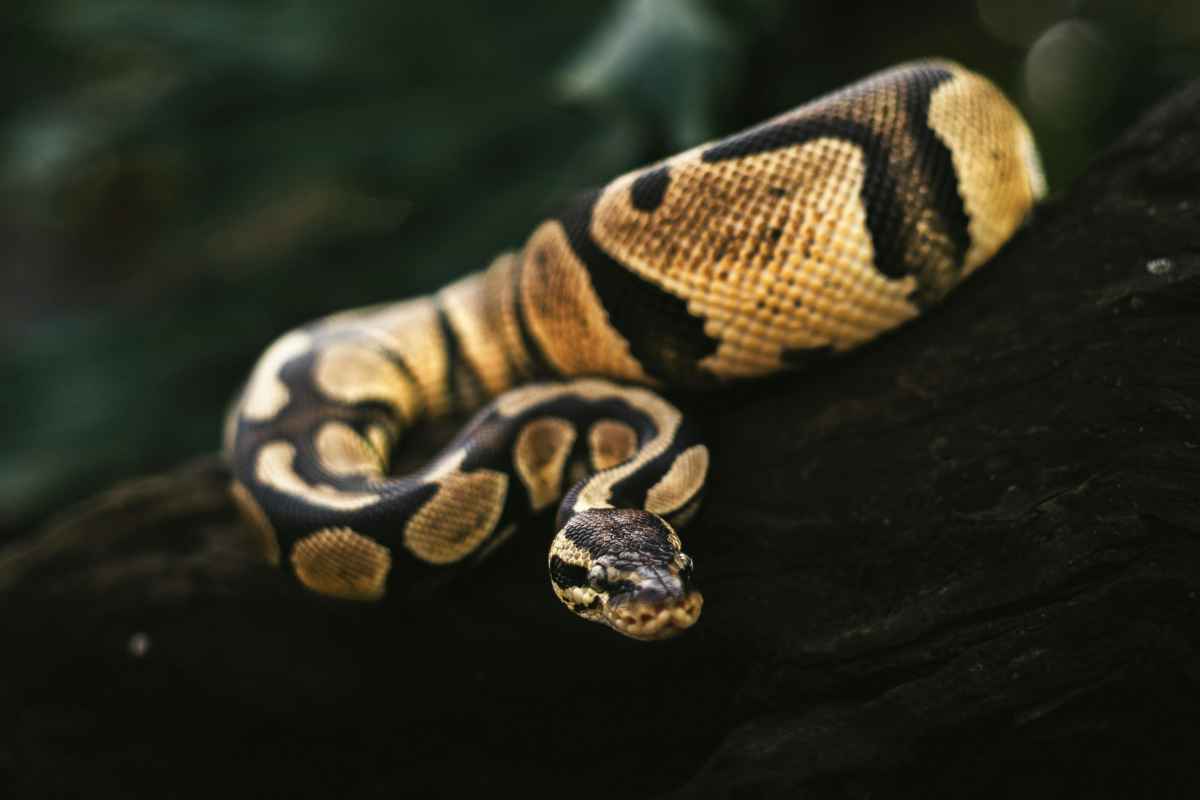
Ball Pythons are one of the most popular pet snakes, and for good reason. They are calm, docile, and relatively easy to care for, making them an excellent choice for first-time snake owners.
These snakes typically grow to about 3-5 feet long, so they don’t require a massive habitat.
Habitat Needs:
Ball pythons thrive in moderate temperatures (75-80°F during the day and slightly cooler at night). They require a humid environment, so their enclosure should have a humidity level between 50-60%. A 10-gallon terrarium is sufficient for a juvenile, but you’ll need a larger enclosure (at least 20-30 gallons) as they grow.
Diet:
These snakes eat frozen-thawed rodents, such as mice and rats. Feeding should be done every 7-10 days, and they tend to have a strong feeding response, making them relatively easy to feed.
Temperament:
Ball pythons are known for being shy, and they may roll into a ball (hence the name) when feeling threatened, making them a bit more introverted. However, with time and patience, they can become quite friendly and enjoy handling sessions.
Lifespan:
Ball pythons have a long lifespan of around 20-30 years in captivity, so you’ll be able to enjoy your pet for many years.
2. Corn Snake (Pantherophis guttatus)
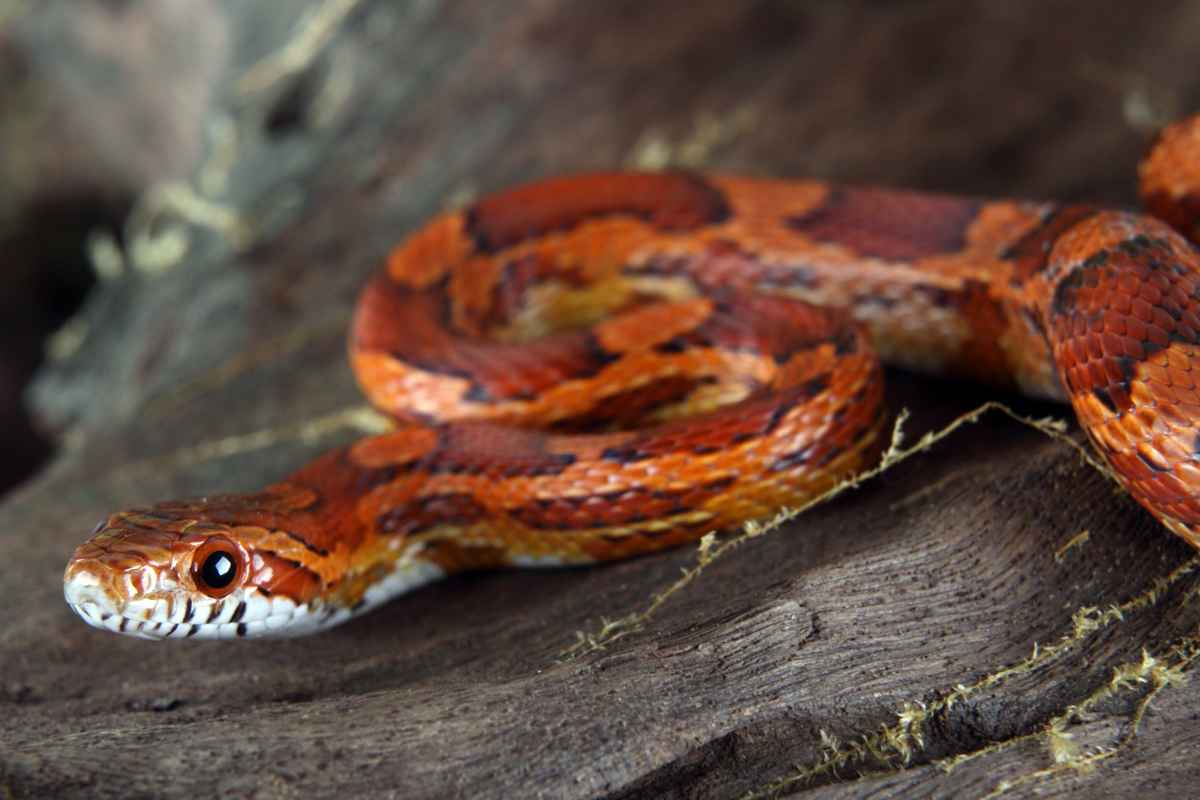
The Corn Snake is another fantastic choice for first-time snake owners. These snakes are known for their gentle nature, striking colors, and relatively simple care requirements.
They usually grow to 4-5 feet long, which means they need a larger enclosure than some other beginner species.
Habitat Needs:
Corn snakes are quite hardy and can tolerate a variety of environmental conditions. The temperature range for their habitat should be 75-85°F with a humidity level of around 40-50%. A 20-30 gallon tank is perfect for an adult corn snake.
Diet:
Corn snakes primarily eat rodents, and feeding them every 5-7 days is typical. They're not picky eaters, which makes feeding easier. They can easily be trained to eat frozen-thawed prey, which eliminates the need to feed live rodents.
Temperament:
These snakes are usually very calm and tolerant of handling, making them ideal for beginners. They tend to be curious and can enjoy exploring outside of their enclosure with supervision.
Lifespan:
Corn snakes can live 15-20 years in captivity with the proper care. They are highly resilient and don’t require frequent vet visits.
3. California Kingsnake (Lampropeltis californiae)
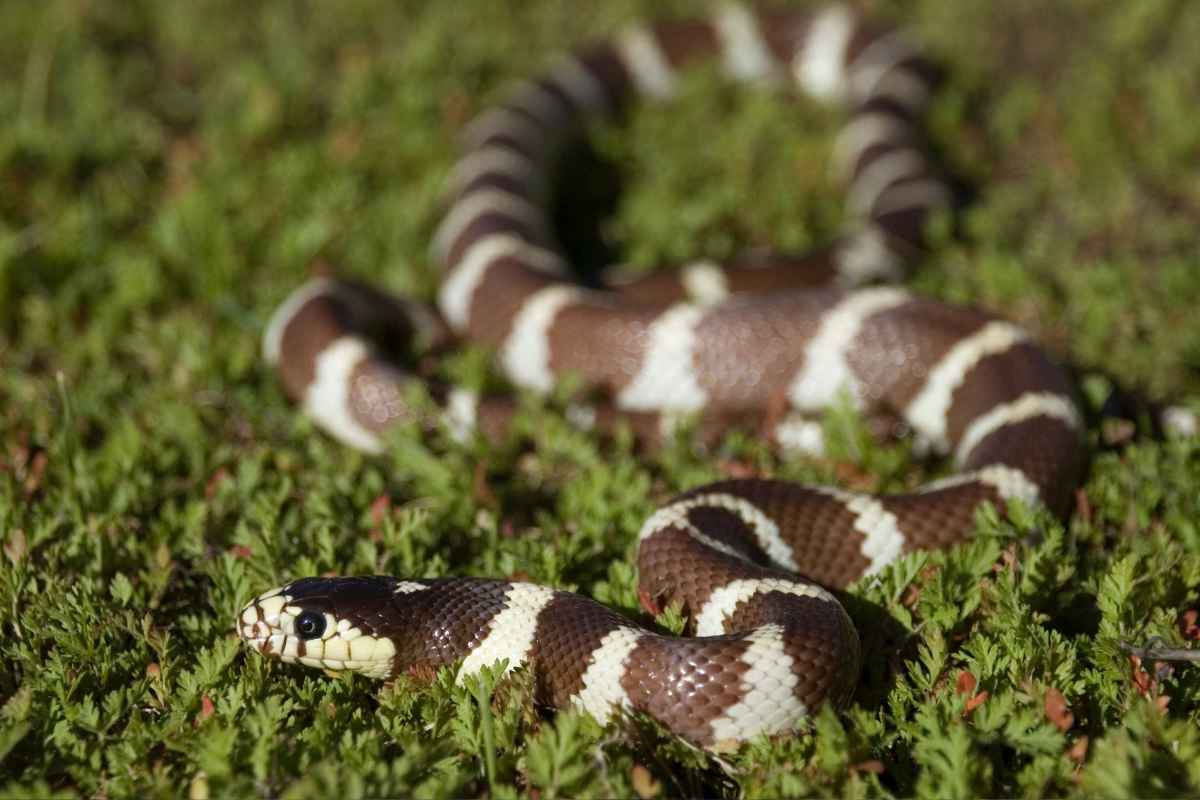
California Kingsnakes are another excellent choice for beginner snake owners. Known for their bold color patterns and adaptability, they are easy to care for and can handle a variety of living conditions.
Habitat Needs:
California Kingsnakes do best in temperatures ranging from 75-85°F, with a humidity level of around 40-50%. They require a larger terrarium (at least 20 gallons), especially as they grow. The enclosure should include hiding spots to help them feel secure.
Diet:
These snakes feed on rodents and should be fed once a week. They are voracious eaters, and feeding them is not difficult. However, they do tend to escape enclosures, so it’s essential to ensure their habitat is secure.
Temperament:
While they are relatively easy to handle, California Kingsnakes can sometimes be a bit more active and curious, making them more likely to explore their surroundings.
They’re generally friendly but should be handled regularly to get them accustomed to human interaction.
Lifespan:
California Kingsnakes live for 15-20 years in captivity, making them a long-term companion.
4. Rosy Boa (Lichanura trivirgata)
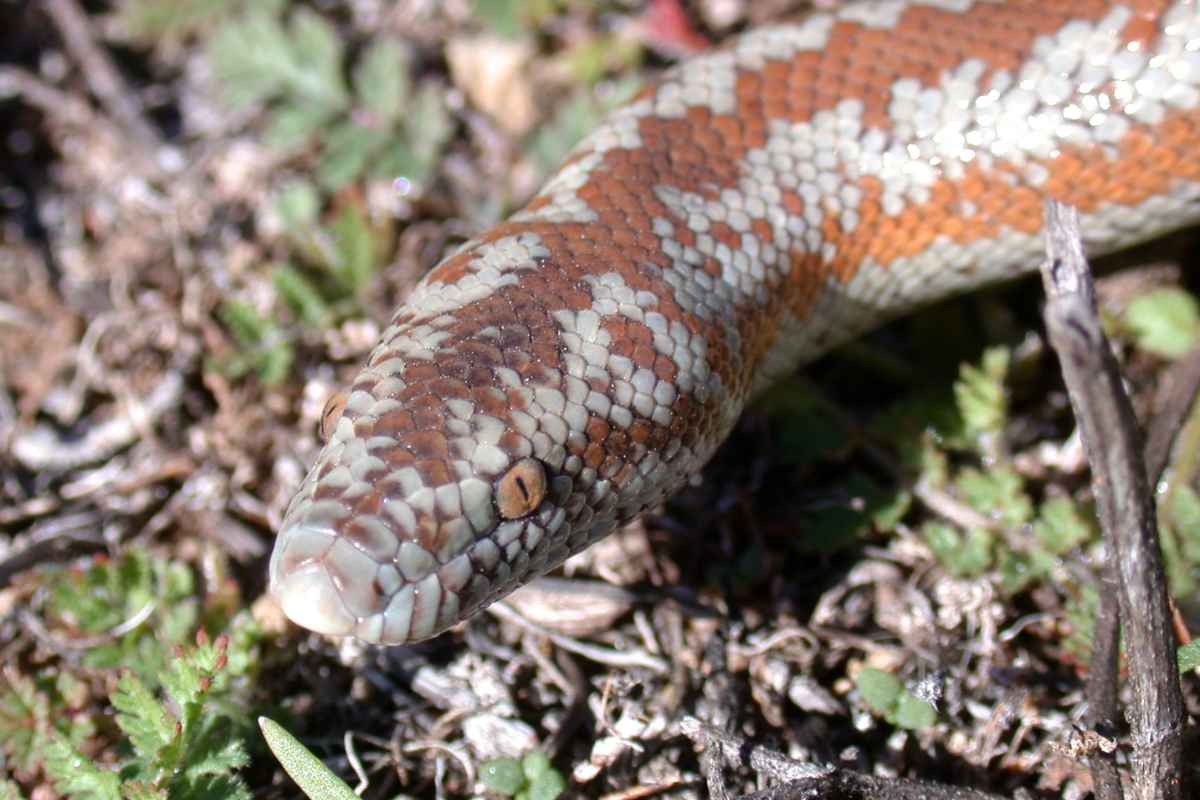
The Rosy Boa is a beautiful and calm snake species that is perfect for first-time owners. Their gentle nature and manageable size make them a great introduction to the world of snakes.
Habitat Needs:
Rosy Boas require a temperature range of 75-85°F, with a humidity level of 40-50%. They can live comfortably in a 20-gallon tank, and their enclosures should have a few hiding spots for them to retreat to.
Diet:
Rosy Boas are not picky eaters and will consume rodents, such as mice. They typically eat once a week and can thrive on a frozen-thawed diet.
Temperament:
Rosy Boas are known for their docile and gentle nature. They don’t mind being handled and often enjoy interacting with their owners. Because of their calm disposition, they are considered ideal for beginners.
Lifespan:
Rosy Boas have an average lifespan of around 20 years, making them a great investment for reptile enthusiasts who are ready for a long-term commitment.
How to Care for Your First Snake
Now that you know which snakes are great for beginners, let’s talk about the basic care needed to keep your snake healthy and happy.
Setting Up the Enclosure
The enclosure is a crucial part of snake care. Ensure your snake's habitat is secure, with no escape routes, and provide appropriate lighting, heating, and humidity control.
Snakes need a temperature gradient (cool and warm areas) to regulate their body temperature. Invest in thermometers and humidity gauges to monitor the conditions.
Handling Your Snake
When handling your snake, be gentle. Snakes are not like cats or dogs, and they don’t always enjoy constant handling. Start with short handling sessions, gradually increasing the time as your snake becomes more accustomed to you.

Feeding and Hydration
Most snakes prefer a frozen-thawed diet, which is safer for both you and the snake. Never feed your snake live prey, as it can lead to injury.
Also, ensure your snake always has access to fresh water, and clean the water bowl regularly to prevent bacterial growth.
Conclusion: Choosing the Right Snake for You
Owning a snake can be an incredibly rewarding experience.
By selecting a species like the Ball Python, Corn Snake, California Kingsnake, or Rosy Boa, you are ensuring that your first snake is manageable, friendly, and relatively easy to care for.
Remember, patience and research are key to being a successful snake owner. With proper care, your snake can become a long-term companion that you enjoy for many years to come.
Enjoy This Video Tutorial About Reptiles

Source: Snake Discovery
Did you find this post useful or inspiring? Save THIS PIN to your Pets Board on Pinterest! 😊

You may also like