
Pick The Best Pet Snake - Snake Care Guide


If you're considering adding a snake to your family, you're in for an exciting and rewarding journey. Snakes can make fascinating pets with their unique personalities and low-maintenance care needs.
However, choosing the right species for your lifestyle and understanding how to properly care for them is essential for a successful experience.
In this guide, we'll walk you through the key factors to consider when selecting your perfect pet snake and how to create the best environment for them to thrive.
Choosing the Right Pet Snake: What to Look For
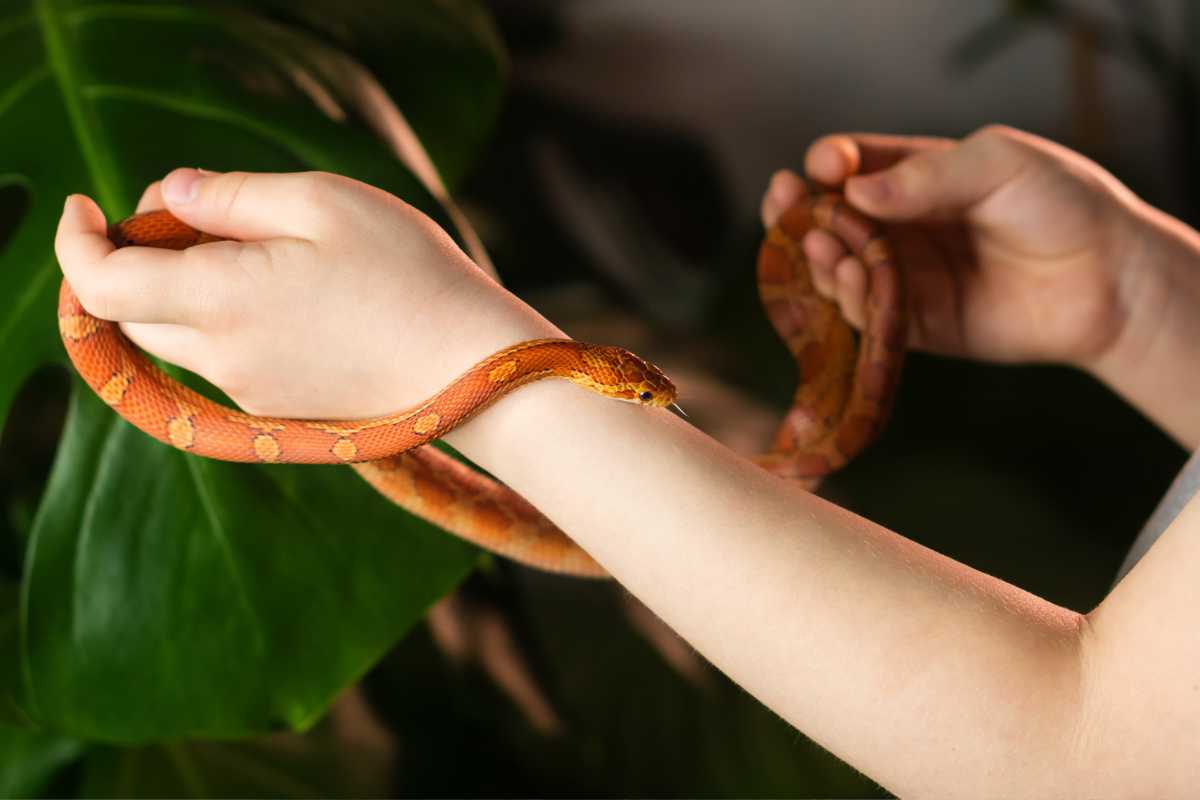
When deciding to adopt a pet snake, it’s important to consider a few critical factors such as your living space, time commitment, and experience with reptiles.
Not all snakes are suited for beginners, so finding the right species is essential.
Beginner-Friendly Snake Species
If you're new to reptile care, consider starting with one of the following species, which are well-known for their docile nature and ease of care:
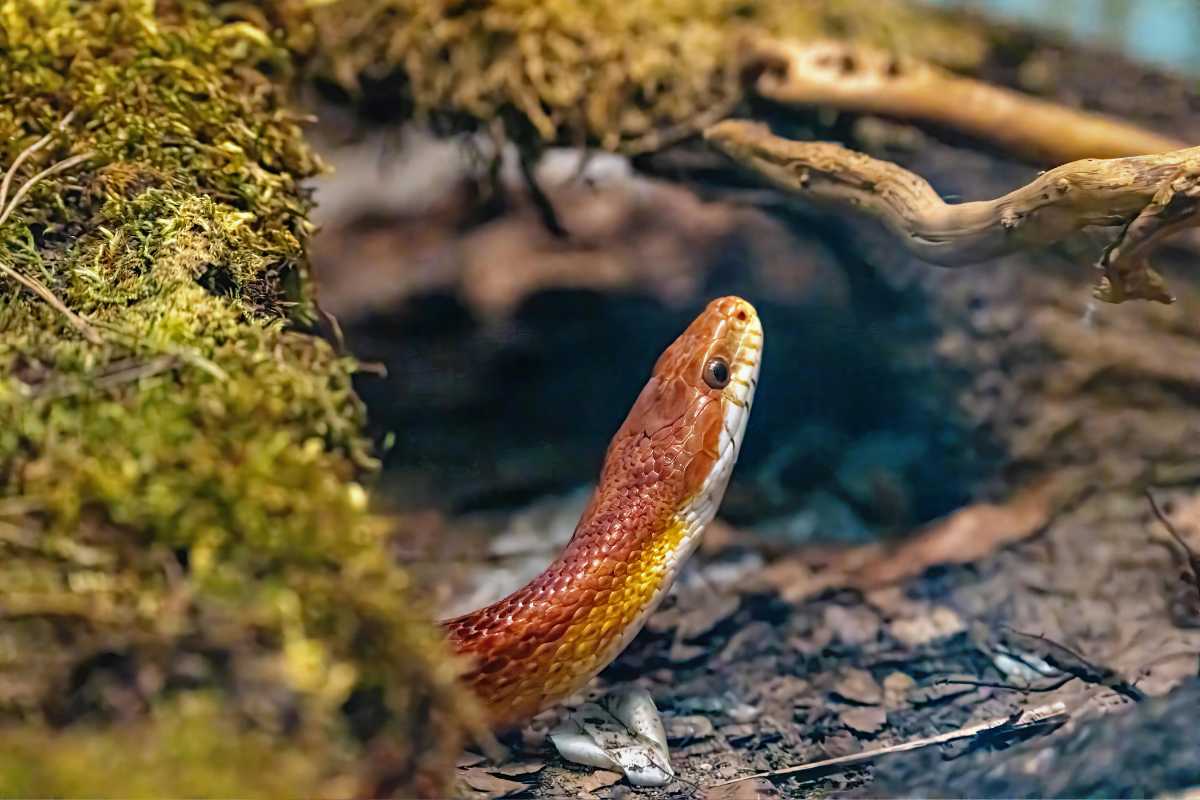
Corn Snake: Known for their friendly temperament and manageable size, corn snakes are an excellent choice for beginners. They are relatively easy to handle and maintain, making them a popular option for first-time snake owners.
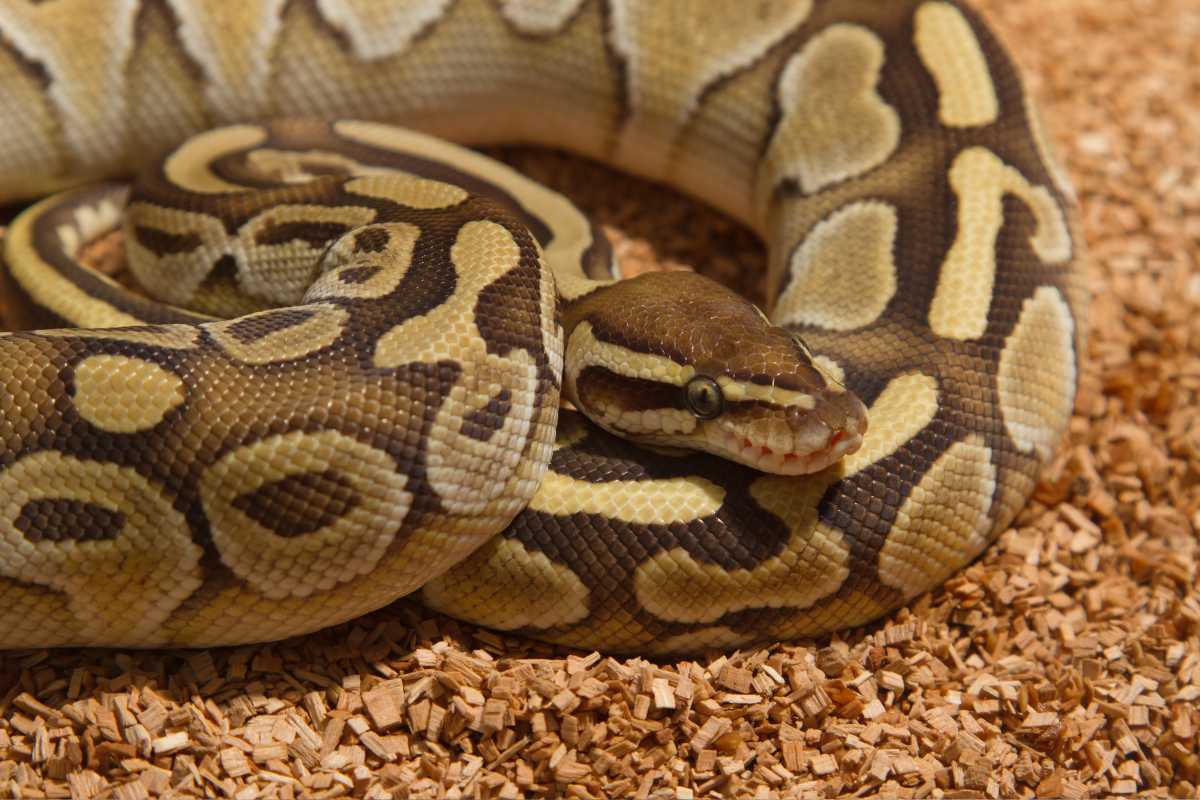
Ball Python: Ball pythons are another great option for beginners. They are non-aggressive and tend to be more relaxed, making them easy to handle once they adjust to their new environment. Their feeding habits are also simple to manage.
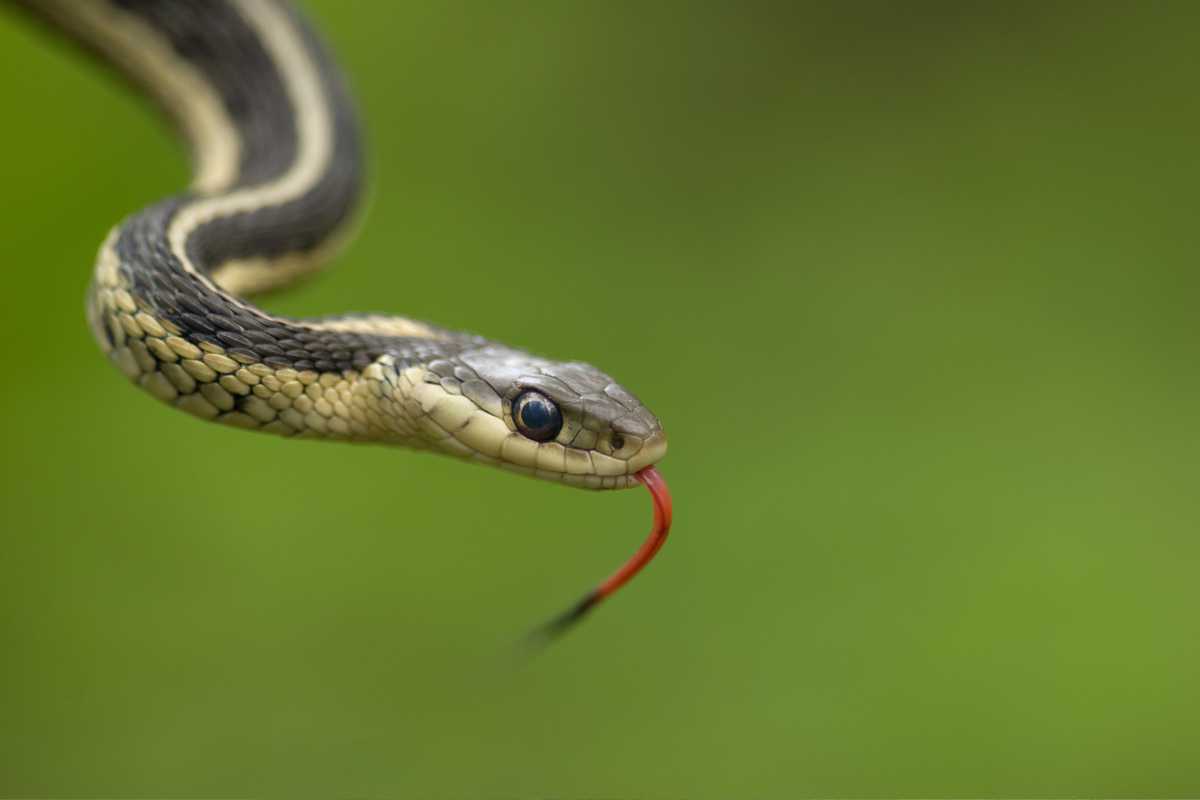
Garter Snake: These small, colorful snakes are easy to care for and often thrive in various environments. They are less likely to become stressed and are generally calm.
Consider Your Space and Living Conditions

Before bringing home your snake, it’s important to assess your living situation. Snakes require a secure habitat, so make sure you have enough space to provide the proper enclosure.
Larger species may need bigger tanks, and some snakes prefer to climb or burrow, so having the right environment will enhance their comfort.
Enclosure Size: Snakes need ample space to move, stretch, and explore. A properly sized terrarium or vivarium will prevent stress and allow your snake to exhibit natural behaviors.
Temperature and Humidity: Snakes are cold-blooded, meaning they rely on their environment to regulate their body temperature.
Ensure that your snake’s habitat has both warm and cool areas, with a temperature gradient. Humidity levels should also match the needs of the species you choose.
Snake Care Essentials: Creating the Ideal Habitat

Once you’ve selected the right snake for you, it's time to set up their new home. A healthy snake requires more than just food and water—it needs a habitat that mimics its natural environment.
Terrarium Setup
Your snake’s enclosure should be large enough for it to move around comfortably. For smaller snakes, a 20-gallon tank may suffice, while larger species will require more space.
A glass aquarium with a secure, lockable lid works well for most species. Ensure the terrarium includes the following:
Substrate: Snakes enjoy burrowing, so choose a soft, non-toxic substrate such as aspen shavings, coconut husk, or paper towels. Avoid using gravel or sand, as they can cause digestive issues if ingested.
Hiding Spots: Snakes feel secure when they have hiding spots to retreat to. You can use commercially available hides or DIY alternatives such as cardboard boxes. Make sure there are multiple hiding spots at different ends of the tank.
Heating and Lighting: Snakes require a heat source to regulate their body temperature. A heat lamp or ceramic heater is a good option, but be sure it doesn't overheat the enclosure.
Some species also need UVB lighting, which is necessary for their health, especially if they’re in a particularly large tank.
Feeding and Hydration
Proper nutrition is one of the most critical aspects of snake care. Depending on the species, your snake may eat small mammals, birds, or amphibians. Feeding schedules vary, but most pet snakes are fed once every 1–2 weeks.
Frozen Prey: It’s safer to feed snakes frozen and thawed food rather than live prey to prevent injuries.
Hydration: Snakes need a shallow water bowl large enough to soak in. Ensure it is cleaned regularly, as standing water can get dirty quickly.
Health and Maintenance: Keeping Your Snake Healthy
Like any pet, snakes require regular care to stay healthy and happy. In addition to feeding, hydration, and proper environmental conditions, snakes need attention to ensure they thrive.
Regular Health Checks
Shedding: Snakes shed their skin periodically. This is a normal process, but be sure to monitor it. If your snake is having trouble shedding, provide additional humidity or seek veterinary advice.
Parasites: Snakes can be prone to parasites, so make sure to schedule routine vet checkups and ensure your snake is free of ticks, mites, or internal parasites.
Signs of Illness: Watch for signs like loss of appetite, lethargy, abnormal behavior, or changes in skin appearance, as these could be signs of illness.
Handling Your Snake
Snakes generally enjoy being handled once they become accustomed to their environment. However, be gentle and avoid over-handling, as stress can harm them.
Start with short sessions and increase the length over time, ensuring that the experience is calm and safe.
Avoid sudden movements: Always approach your snake slowly and from the side to prevent startling it.
Respect its boundaries: If your snake shows signs of stress, such as striking, hissing, or trying to escape, give it space to calm down.
Potential Challenges in Snake Care
Owning a snake isn’t without its challenges. While these creatures are generally low-maintenance, there are a few things you should keep in mind:
Feeding Issues: Some snakes can be picky eaters, especially if they’re stressed or sick. If your snake refuses to eat, try offering different food items or adjusting the temperature in its enclosure.
Escaping: Snakes are known for their escape artistry, so make sure their enclosure is secure and escape-proof. Use a well-fitted lid or lock to ensure the terrarium stays sealed.
Conclusion: Are You Ready for a Pet Snake?
Choosing the right pet snake is an exciting and rewarding journey that requires careful planning, proper care, and patience.
Whether you’re a first-time snake owner or an experienced reptile enthusiast, understanding the needs of your pet is crucial for ensuring a happy and healthy life.
By selecting the right species, setting up a suitable habitat, and maintaining their health, you’ll be on your way to enjoying the fascinating world of snakes.
Ready to start your snake ownership journey? With the right knowledge and care, your snake can be a wonderful addition to your family.

Source: New England Reptile
Did you find this post useful or inspiring? Save THIS PIN to your Pets Board on Pinterest!

You may also like