
PROS & CONS: Having Snakes as Pets


Thinking about bringing a snake into your home? This guide focuses only on pet snakes (not reptiles in general) and lays out the real advantages and drawbacks so you can make a responsible choice.
We’ll highlight what daily care looks like, what equipment you’ll need, and which beginner species tend to do well in homes.
The Upside: Real Benefits of Keeping Snakes

Low noise and odor: Unlike many pets, snakes are quiet and—when the enclosure is kept clean—produce minimal smell.
Spot-cleaning waste and changing substrate on a schedule keeps things fresh.
Space-efficient (within reason): Small to medium species can thrive in relatively modest enclosures compared with many mammals.
You’ll still need a properly sized, secure habitat (often larger than pet-store “starter kits”), but you won’t be rearranging your entire home.
Simple routine, technical execution: Snakes don’t need daily walks or constant interaction.
Most eat weekly or biweekly and appreciate being left alone. The trade-off is that care is technical: temperatures, humidity, and safety must be dialed in precisely.
Fascinating behavior: From exploring new hides to soaking during a shed cycle, snakes are rewarding to observe.
You’ll learn to read cues like tongue-flicking, body posture, and seeking warm vs. cool zones.
Long lifespan: Many commonly kept species live 10–20+ years. For the right person, that’s a big plus—companionship you can plan on for the long term.
The Downside: Challenges You Should Consider
Feeding rodents: Most snakes eat frozen-thawed rodents (never live, to avoid injuries to the snake).
If you’re uncomfortable storing feeders in your freezer or handling them with tongs, a snake may not be a good fit.
You need a reliable feeder source and a safe thaw-and-warm routine.
Hygiene and household safety: As with many animals, reptiles can carry bacteria.
Reduce risk by washing hands after handling the snake or its habitat and by keeping feeding tools and surfaces clean.
Extra caution is wise around young children and immunocompromised family members.
Specialized habitat: Success hinges on maintaining a temperature gradient (warm side and cool side), adequate humidity, and good ventilation.
You’ll need a regulated heat source controlled by a thermostat, accurate digital thermometers/hygrometers, at least two snug hides, secure latching, and an appropriate substrate (e.g., aspen, cypress, paper—species dependent).
This equipment is non-negotiable.
Access to an exotic-experienced veterinarian: Annual wellness checks, fecal exams, and help with issues like poor sheds or respiratory signs are important.
Not every area has an exotic veterinarian nearby; confirm availability before you buy.
Escape risk: Snakes are talented at finding gaps. An escape-proof enclosure with tight-fitting lids and clipped or locking tops is essential.
Regulations and ethics: Laws can restrict species or require permits. Avoid venomous species and very large constrictors; they are not appropriate for typical households.
Choose captive-bred animals from reputable breeders rather than wild-caught to support welfare and reduce health risks.
Beginner-Friendly Species to Consider

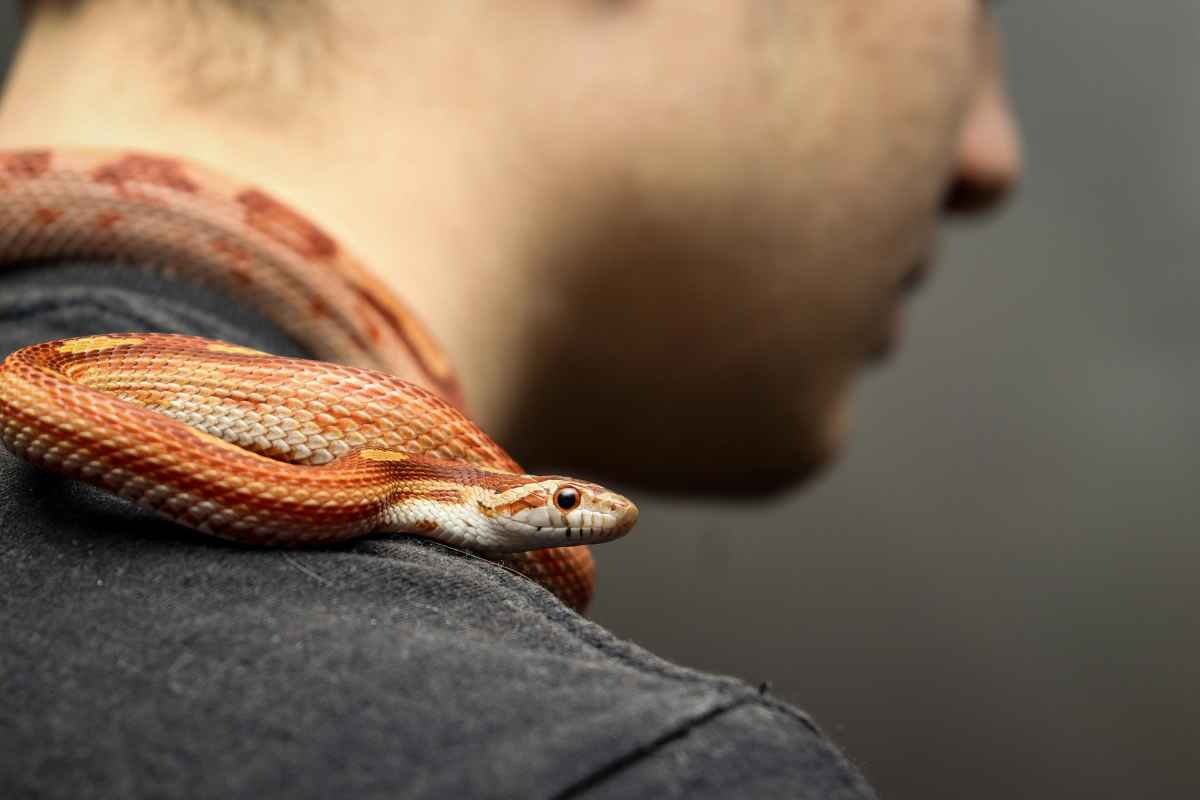
Corn Snake (Pantherophis guttatus): Hardy, curious, and usually tolerant of handling.
Moderate adult size with manageable enclosure needs and wide availability of captive-bred individuals.
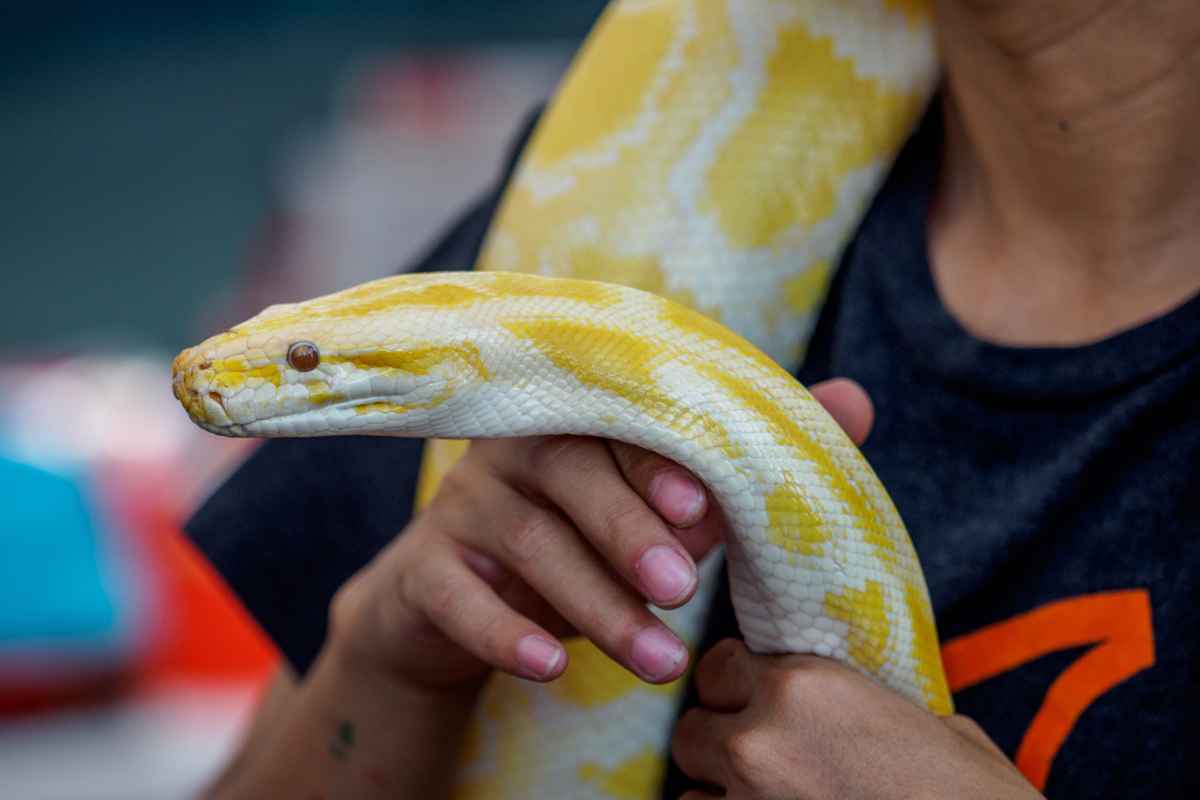
Ball Python (Python regius): Calm demeanor and beautiful morphs; prefers higher humidity and stable, cozy hides. Some are picky eaters, so patience and good husbandry are key.
Kingsnake (Lampropeltis spp.): Generally robust and adaptable, with straightforward temperature and humidity needs. Known for strong feeding response—great for consistent eaters.
Rosy Boa (Lichanura spp.): Slow-moving, gentle, and small to moderate in size. Prefers drier conditions and simple, well-secured enclosures.
Tip: When choosing a species, look at your ambient home climate. If your home is naturally dry, a desert-leaning species may be easier. If you can comfortably maintain higher humidity, a ball python might suit you.
Habitat Basics You Must Get Right
Enclosure size & layout: Provide enough floor space for movement, at least two tight hides (warm and cool), clutter (branches/fake plants) for security, and a sturdy water bowl large enough for soaking if the species benefits from it.
Heat & control: Create a warm side (species-specific) and a cooler side so the snake can self-regulate.
Always run heat sources through a thermostat and verify temperatures with a digital probe thermometer placed where the snake sits.
Humidity & shedding: Match your species’ range and monitor with a digital hygrometer.
Offer a damp hide or adjust substrate and ventilation during shed cycles to encourage clean, one-piece sheds.
Substrate: Choose safe, species-appropriate options (aspen, cypress, paper). Avoid aromatic softwoods and dusty materials.
Spot-clean routinely; do periodic full refreshes.
Security: Use locking or clipped lids and check for gaps around cables and sliding doors.
Escapes happen through surprisingly small spaces.
Costs: Initial vs. Ongoing

Initial setup: Quality enclosure, regulated heat source, thermostat, thermometers/hygrometers, hides, water bowl, decor, and starter substrate.
Expect this to be the largest cost—prioritize reliability and safety over bargain bundles.
Monthly costs: Frozen-thawed rodents, substrate top-ups, electricity for heat, and occasional enclosure maintenance or replacement parts.
Budget for annual vet visits and a small emergency fund.
Handling, Interaction, and Expectations
Snakes are not social in the way dogs and cats are. Most prefer short, gentle handling sessions a few times per week.
Always support the body, avoid handling during shedding or for 48 hours after feeding, and learn your individual’s tolerance.
If you want a pet that seeks out affection, a snake may not meet that expectation; if you enjoy calm observation and meticulous care, they can be deeply rewarding.
Safety, Legality, and Ethical Sourcing
Before purchasing, confirm local laws and landlord rules. Choose captive-bred animals from reputable breeders or rescues; ask about feeding history, sheds, and health records.
Skip wild-caught imports and any species that exceed your experience, space, or local regulations. Responsible ownership starts with an informed, ethical purchase.
Is a Pet Snake the Right Fit for You?
If you’re comfortable feeding frozen-thawed rodents, ready to maintain a precise temperature gradient and humidity, have access to an exotic veterinarian, and prefer a quiet, observation-forward companion, a snake can be a wonderful match.
Start with a beginner-friendly species, invest in reliable equipment from day one, and keep your husbandry consistent. Do that, and you’ll set yourself—and your future snake—up for a healthy, low-stress life together.
Enjoy This Video Tutorial About Snakes

Source: Jossers Jungle
Did you find this post useful or inspiring? Save THIS PIN to your Pets Board on Pinterest! 😊

You may also like