
Safe Food Guide For Bearded Dragons


Hello, reptile lovers! If you’ve decided to adopt a bearded dragon or you’re just curious about how to feed one, you’ve come to the right place.
Bearded dragons are fascinating and friendly creatures, and their diet plays a vital role in their health and well-being.
In this detailed guide, you’ll learn everything about what they can eat, what to avoid, and how to create a balanced diet to ensure your bearded dragon stays strong, happy, and healthy.
What Can Bearded Dragons Eat? The Ideal Diet
Bearded dragons are omnivores, meaning they enjoy both animal and plant-based foods.
Their diet should include a variety of insects, vegetables, fruits, and even protein-rich plant sources. Let’s dive into what your bearded dragon can safely enjoy.
Live Insects: The Best Source of Protein
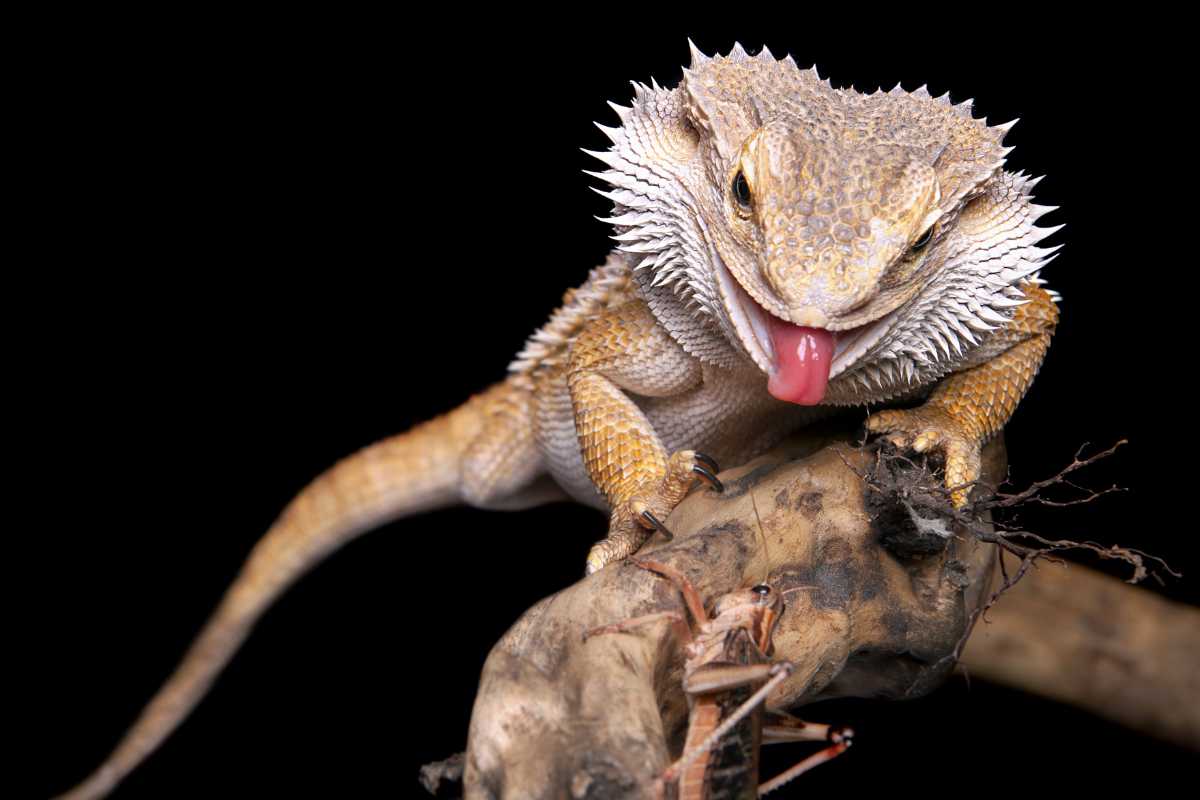
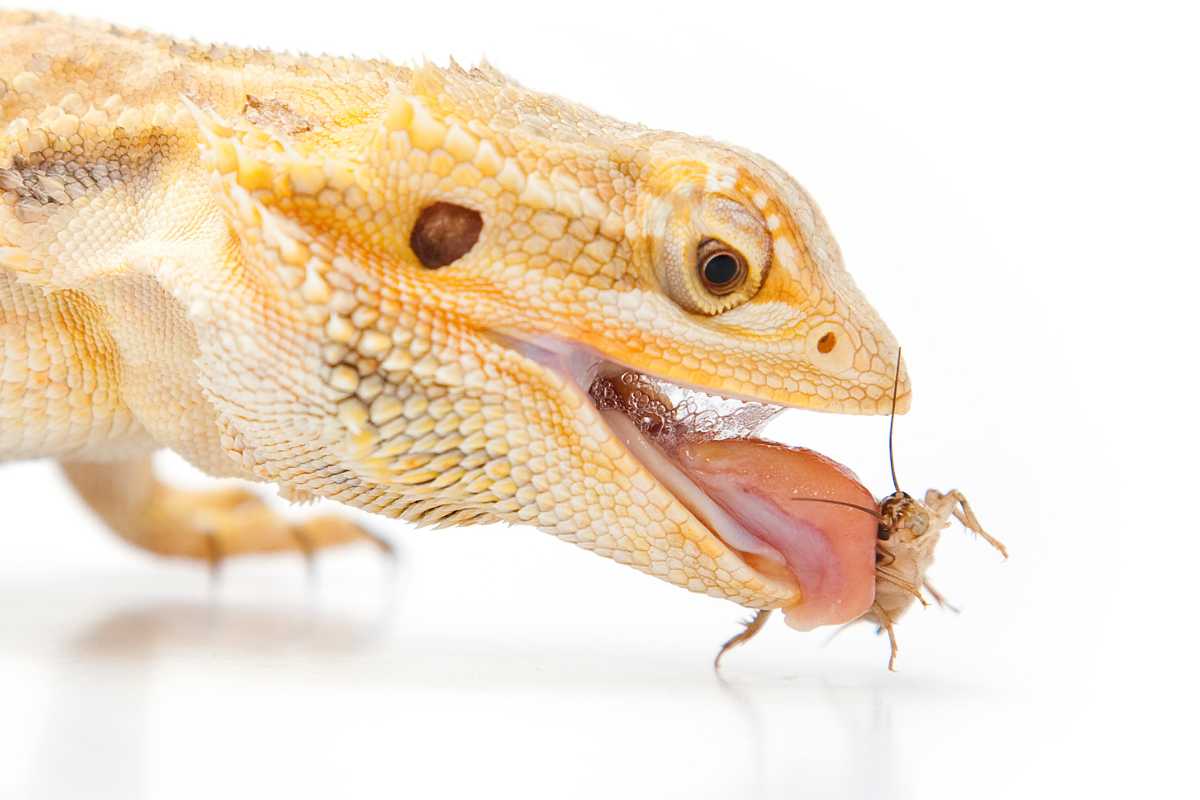
Insects are a crucial part of a bearded dragon's diet. Wild bearded dragons eat a variety of insects, so it's essential to provide these in captivity for proper nutrition. Some of the best insect options include:
Crickets: These are excellent sources of protein and are easy to find in pet stores.
Crickets should be gut-loaded (fed nutritious food) for at least 24 hours before being fed to your dragon to ensure they provide adequate nutrients.
Mealworms and Superworms: These insects are also rich in protein, but they have a higher fat content.
While they’re a great occasional treat, they shouldn’t be the staple of their diet. Limit their consumption to avoid obesity.
Dubia Roaches: These are nutritious and have the right balance of fat and protein. They’re also a great option because they are easy to digest and have a longer lifespan than crickets.
Other Insects: You can also feed them grasshoppers, hornworms, silkworms, and even black soldier fly larvae. Make sure the insects are appropriately sized for your dragon to prevent choking hazards.
Fresh Vegetables: A Buffet of Healthy Flavors
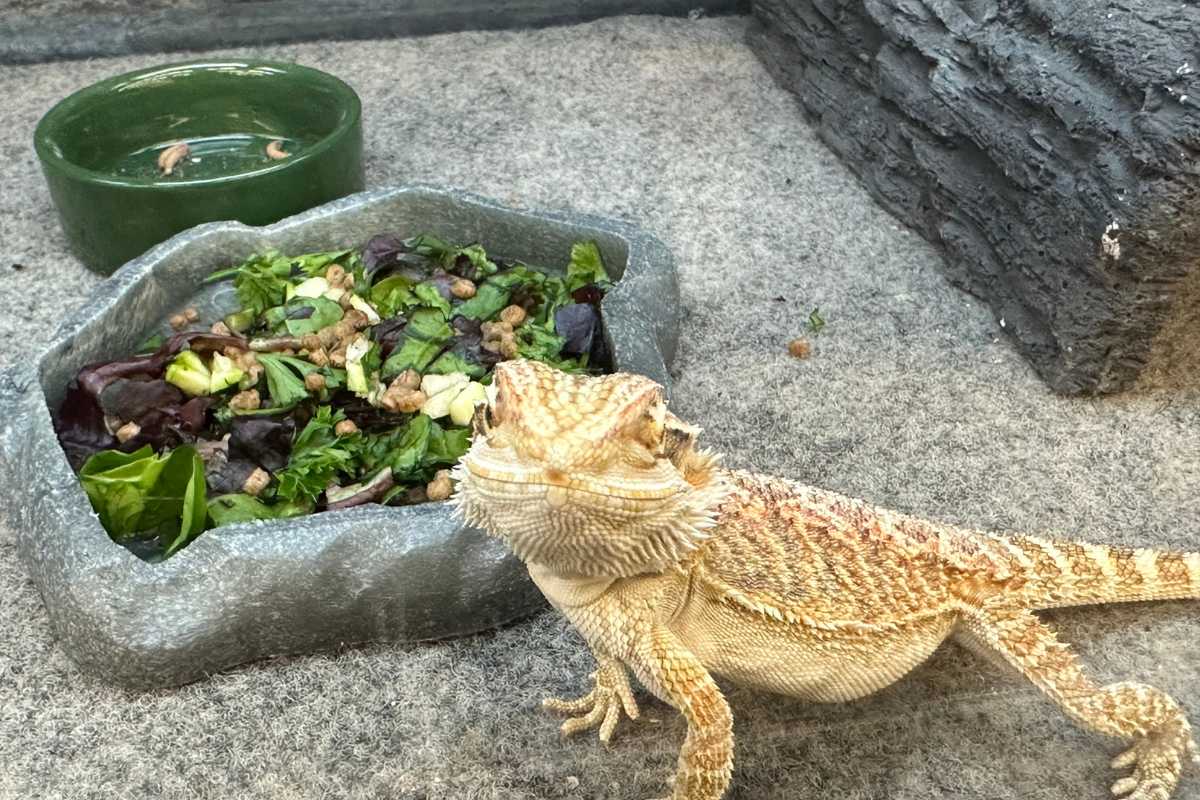
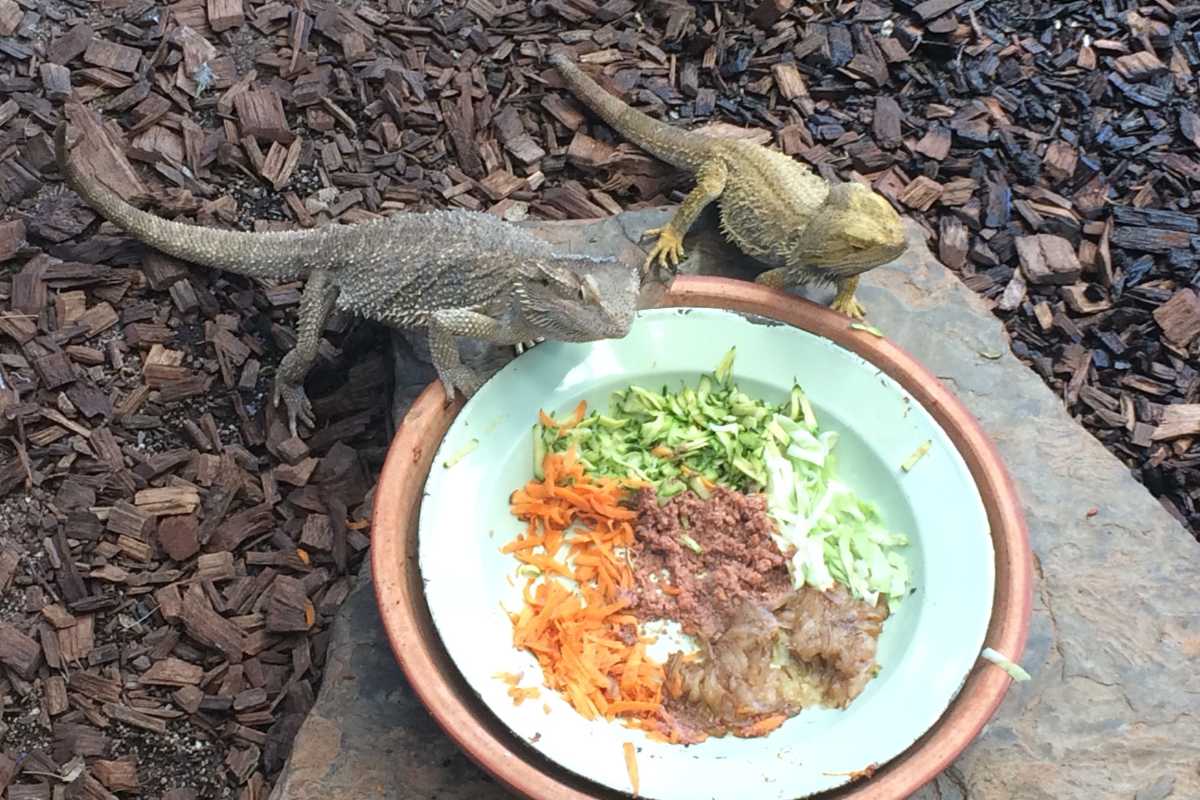
Vegetables should make up a significant portion of your dragon's diet, providing essential vitamins, minerals, and fiber. The key to keeping your dragon happy and healthy is offering a wide range of vegetables.
Collard Greens and Mustard Greens: These are rich in calcium, which is essential for bone health. They are also packed with vitamins A and C, which boost your dragon's immune system.
Carrots: These are great for providing beta-carotene, an antioxidant that supports vision and overall health. Chop or shred them into small pieces for easier digestion.
Squash: Both butternut squash and zucchini are excellent sources of fiber and vitamin A. They’re also hydrating and can help keep your dragon hydrated, especially during the hotter months.
Dandelion Greens: High in calcium and vitamin K, dandelion greens are perfect for your dragon. Just make sure they haven’t been treated with pesticides if you’re picking them yourself.
Bell Peppers: High in vitamin C, bell peppers boost your dragon’s immune system. These can be given in various colors: red, yellow, and orange, as they contain different antioxidants.
It’s essential to chop or shred vegetables into small, manageable pieces so your dragon can easily consume them.
Fresh Fruits: Sweet Treats in Moderation
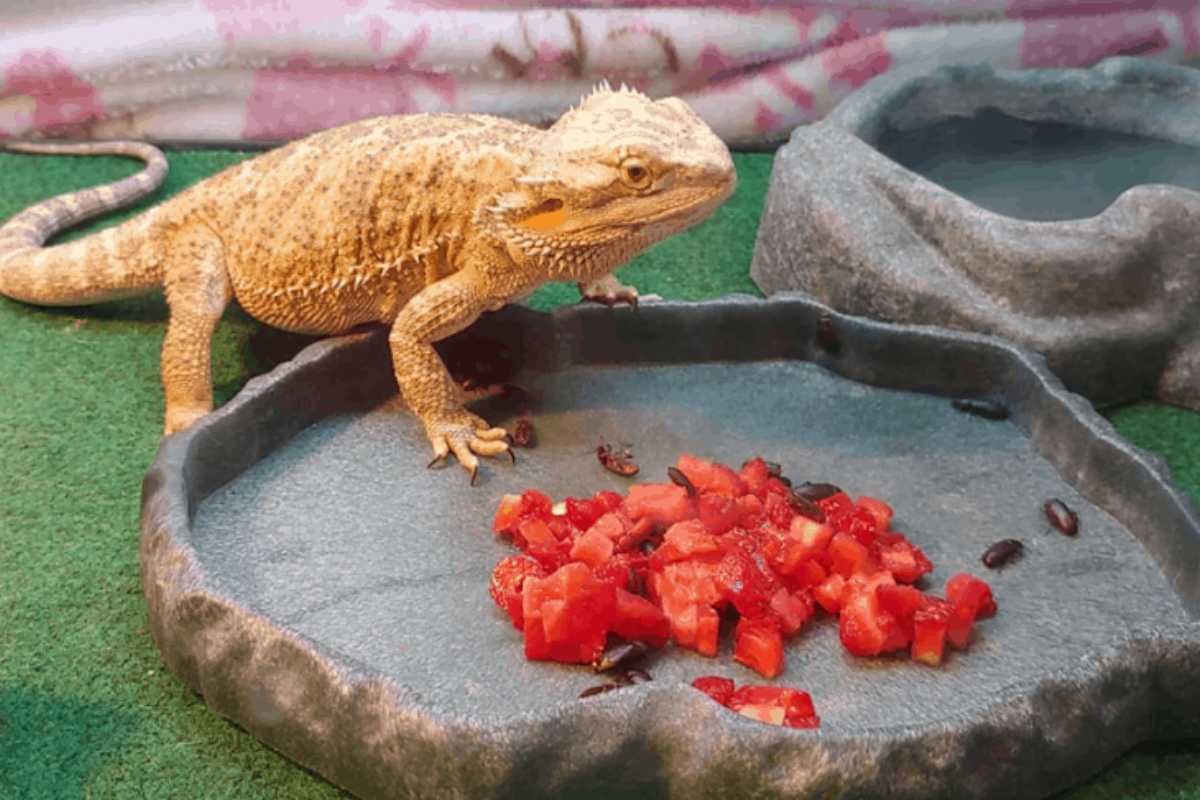
Fruits should be offered as a treat rather than a staple of their diet due to their high sugar content. However, they do provide essential nutrients like vitamins, antioxidants, and hydration. Here are some safe fruits:
Strawberries, Blueberries, and Blackberries: Rich in vitamin C, antioxidants, and fiber, these berries help boost your dragon’s immune system and digestion. Offer them occasionally to avoid excess sugar intake.
Mango and Papaya: Both fruits are packed with vitamin A, C, and fiber. Mango is especially great for keeping your dragon’s digestive system healthy, but give it in moderation due to its sugar content.
Melons (Watermelon and Cantaloupe): High in water content, melons help keep your dragon hydrated.
They also provide vitamin C and are great during the summer months. Just be sure to remove seeds before feeding them.
Leafy Greens and Flowers
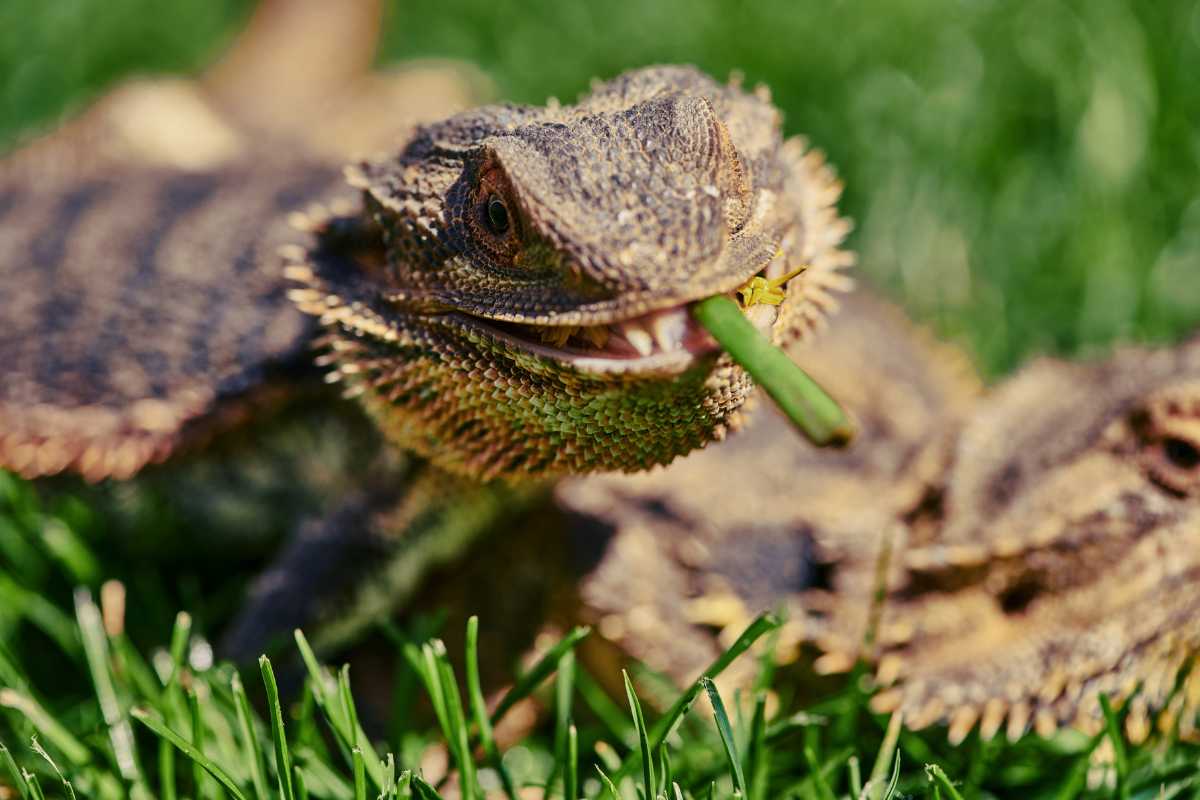
Bearded dragons also love to munch on various leafy greens and even flowers. These offer variety and nutrients.
Clover and Dandelions: These are safe and nutritious. Dandelions are rich in calcium and vitamin K, while clover provides fiber and a variety of vitamins.
Basil and Parsley: While not as nutritionally dense as other greens, basil and parsley can be a fun addition to your dragon’s diet and provide a refreshing flavor.
Foods to Avoid: Beware of Toxic and Harmful Foods!
Now that you know what they can eat, let’s talk about what your dragon should never eat. Some foods are toxic or cause digestive problems. Here are the most common foods to avoid:
Forbidden Foods: Toxic at All Costs
Avocado: Contains persin, a substance toxic to bearded dragons. Even a small amount can lead to heart failure and death.
Chocolate: Chocolate contains theobromine, which is highly toxic to reptiles. It can cause vomiting, diarrhea, and even death.
Onions and Garlic: Both are toxic and can lead to hemolytic anemia (destruction of red blood cells), causing weakness, lethargy, and digestive upset.
Lettuce (Iceberg and Romaine): While it’s not toxic, iceberg lettuce has very little nutritional value and is mostly water, which can cause diarrhea. Romaine lettuce is safer but should still be given sparingly.
Other Foods to Avoid
Spinach: While it’s healthy, spinach contains oxalates, which can bind to calcium and reduce its absorption. It’s fine in small amounts but shouldn’t be fed too frequently.
Dairy Products: Bearded dragons are lactose intolerant, so avoid feeding them cheese, milk, or other dairy items.
Processed Human Foods: Stay away from foods like chips, cookies, or any processed foods. These are full of salt, sugar, and preservatives, which are harmful to bearded dragons.
How to Create a Balanced Diet: The Key to Their Health!
Creating a balanced diet for your bearded dragon is crucial for their overall health. Here are some additional tips to ensure you're meeting their nutritional needs:
Offer a Variety of Foods
It’s important to rotate the foods you offer your dragon. A healthy bearded dragon needs a mix of:
Protein-rich insects like crickets, roaches, and worms.
Leafy greens and vegetables to provide essential vitamins and calcium.
Occasional fruit as a sweet treat.
Variety ensures they get all the nutrients they need for healthy growth, bone development, and energy.
Supplements: Calcium and Vitamins Are Key
Since bearded dragons need a lot of calcium for bone health, it’s a good idea to offer a calcium supplement. This can be sprinkled over their food or given via a dusting on insects.
Additionally, vitamin D3 is vital for calcium absorption. Many bearded dragon owners use UVB lighting in their enclosures to help their pets synthesize vitamin D naturally.
Hydration is Essential
Always make sure your dragon has access to fresh, clean water. You can place a shallow bowl in their enclosure. If your dragon isn't drinking from the bowl, you can try spraying water on their veggies or misting their habitat.
Bearded dragons also get hydration from juicy fruits and vegetables, but water is still essential for their well-being.
How to Tell if Your Bearded Dragon is Well-Fed

Here are a few signs to check if your bearded dragon is receiving the right nutrition:
Weight and Energy
A healthy bearded dragon should have a healthy weight and be active. They should not be overly thin or excessively heavy. A lack of energy or visible weight loss may indicate an inadequate diet or health problems.
Healthy Poop
Check your dragon’s poop regularly. Healthy poop is firm, dark, and well-formed. If the stool is too watery, it could be a sign of poor nutrition or dehydration.
Behavior
Your bearded dragon should be active, curious, and engaged in its environment. If it’s lethargic or not interested in food, it may be a sign of dietary imbalance or illness.
Tips for a Healthy and Diverse Diet
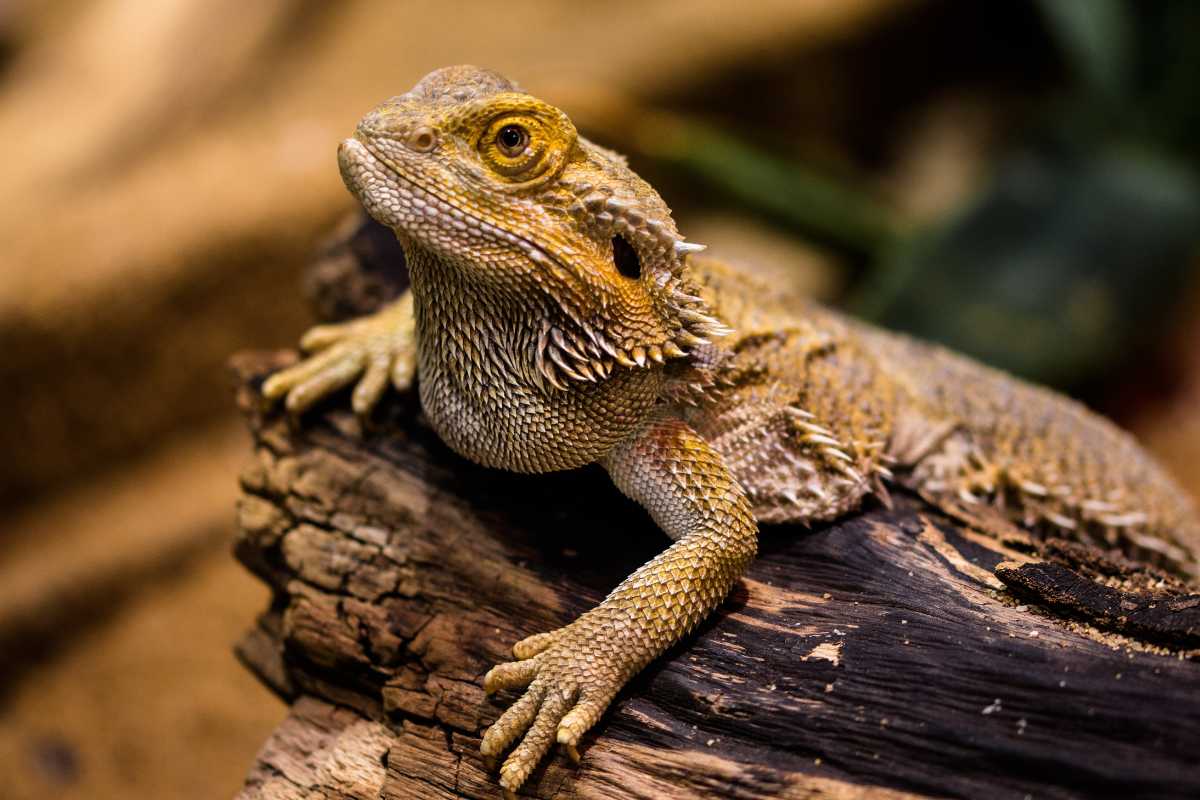
Chop veggies into small pieces to make them easier to eat.
Offer fresh, clean food daily and remove any uneaten food after 12 hours to avoid mold growth.
Diversify your dragon's diet with a mix of fresh vegetables, fruits, and protein.
Consult with a vet for dietary advice, especially if your dragon seems unwell or picky.
Your Bearded Dragon Will Thank You!
A balanced diet is key to your bearded dragon's health. By offering a variety of fresh, nutritious foods and avoiding harmful treats, you'll ensure your dragon lives a long and happy life.
Always consult your vet if you're unsure about your pet’s nutritional needs or diet plan.
Do you have any more questions about feeding bearded dragons? Feel free to ask!
Enjoy This Video About Reptiles

Source: Elle's Reptiles
Did you find this post useful or inspiring? Save THIS PIN to your Pets Board on Pinterest! 😊

You may also like