
Shell Shocked: 10 Surprising Facts About Turtles


Turtles are often considered slow-moving, unremarkable creatures, but these fascinating reptiles have been roaming the earth for millions of years, with some of the most extraordinary characteristics you might not expect.
From ancient survival mechanisms to unique biological traits, turtles are truly remarkable.
Here are ten surprising facts about turtles that will leave you amazed and maybe even inspire you to learn more about these incredible animals.
1. Turtles Have Been Around for Over 200 Million Years

Turtles are among the oldest living species on Earth, dating back to the Triassic period, over 200 million years ago. They predate even the dinosaurs, surviving multiple mass extinctions.
Their remarkable ability to endure through changing environments and catastrophic events has made them living fossils. With their enduring nature, turtles continue to remind us of the resilience of life on Earth.
2. Turtles Can Breathe Through Their Buttocks

Yes, you read that correctly. Some species of turtles, particularly aquatic ones, can breathe through their cloaca, which is the single opening for their excretory and reproductive systems.
Known as "cloacal respiration," this ability allows turtles to extract oxygen directly from the water. This method comes in handy when they are submerged for extended periods, as it reduces the need for them to surface as often.
3. Some Turtles Can Live for Over 100 Years

Turtles are known for their longevity, with certain species living well over a century. The famous Galápagos tortoise, for example, has a lifespan that can exceed 150 years.
Their slow metabolism and ability to thrive in various environments contribute to their long life. In fact, turtles have been around for so long that some individuals have witnessed centuries of human history unfold!
4. Turtles Can Swim for Miles Across Oceans

Many sea turtles migrate across vast distances. For instance, the loggerhead turtle travels thousands of miles from its feeding grounds to its nesting sites.
Turtles use the Earth’s magnetic fields to navigate the oceans with remarkable accuracy. This navigational ability is one of the most impressive aspects of their biology, allowing them to return to the same beaches year after year.
5. Turtles Have an Exceptional Sense of Direction

Sea turtles are born with an innate sense of direction that helps them find their way across vast oceanic expanses. They can detect magnetic fields, which guide them back to their birthplace to lay their eggs.
Some researchers believe that turtles may also use visual cues, such as the position of the sun or the moon, to help orient themselves during migration.
6. Turtles Can Hibernate for Months

Certain turtle species, especially those living in cooler climates, have the incredible ability to hibernate for months during the winter.
This process, known as brumation, is similar to hibernation, where the turtle’s metabolism slows down drastically, allowing it to survive in low-energy states.
During this period, they can even survive without food or oxygen, making them highly adaptable to seasonal changes.
7. Turtles Can Eat Jellyfish and Avoid Poison

Some sea turtles, like the leatherback, have specialized diets that include jellyfish, which are difficult for most animals to consume due to their lack of nutritional value and potentially harmful stingers.
However, leatherback turtles have developed a resistance to the stings of jellyfish. Their thick skin and specialized throat muscles help them swallow jellyfish without harm, making them one of the few animals capable of thriving on a jellyfish diet.
8. The Gender of Turtle Hatchlings Is Determined by Temperature

The temperature at which turtle eggs are incubated determines whether the hatchlings will be male or female.
This phenomenon is called temperature-dependent sex determination (TSD). In most species, higher temperatures produce females, while cooler temperatures result in males.
This fascinating process highlights the delicate balance between nature and environment, and with climate change affecting global temperatures, it poses challenges for future turtle populations.
9. Turtles Can Sleep for Days Without Moving
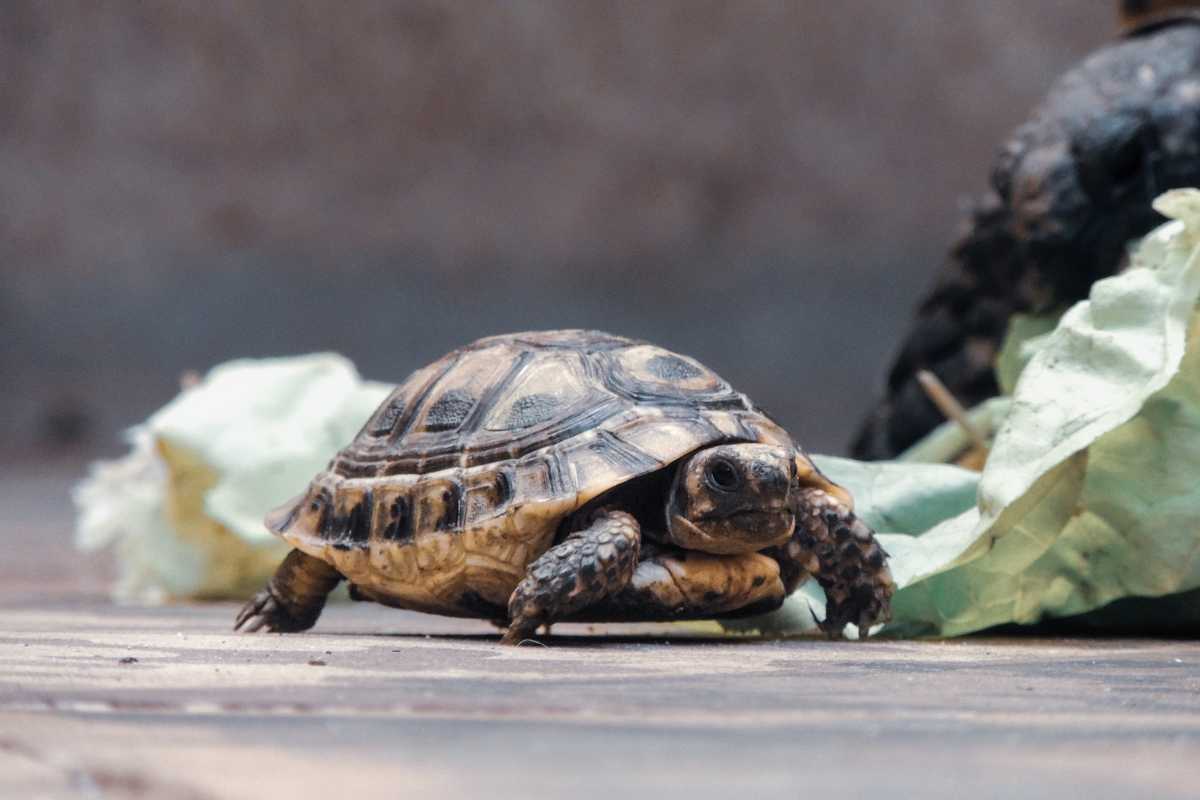
Turtles are known for being slow, but they can also sleep for extended periods. Some species, particularly aquatic turtles, can remain motionless for days or even weeks during their resting periods.
While sleeping, they rely on oxygen absorbed through their skin and cloaca, allowing them to stay submerged without the need to surface for air. This ability allows them to conserve energy and avoid predators in some environments.
10. Turtles Are Essential for Ecosystem Balance

Turtles play a crucial role in maintaining healthy ecosystems. They act as both predators and prey in various habitats.
For example, herbivorous turtles help keep aquatic plants in check, preventing them from overgrowing and choking water systems.
By eating jellyfish, they also help maintain the balance in marine environments.
Additionally, their nests provide essential nourishment for other species of animals that rely on turtle eggs as a food source. Without turtles, many ecosystems would struggle to maintain equilibrium.
Protecting Turtles: Why It Matters
As fascinating and resilient as turtles are, they are facing significant threats due to habitat destruction, pollution, poaching, and climate change.
Many turtle species are currently listed as endangered or threatened, including the hawksbill turtle, whose shells are prized for decorative purposes.
Conservation efforts, including protecting nesting sites, reducing plastic pollution, and regulating fishing practices, are crucial to ensuring that future generations will have the opportunity to admire these magnificent creatures.
Conclusion: A Call for Action
Turtles are much more than the slow, shell-covered creatures we often think of. They are survivors, navigators, and crucial players in maintaining ecological balance.
Understanding their remarkable characteristics helps us appreciate these creatures and the need for their conservation.
If you're inspired by the stories of these incredible animals, consider supporting turtle conservation efforts or learning more about how you can reduce your environmental impact to help protect them.
The future of turtles lies in our hands—let’s make sure it’s a bright one.
Enjoy The Video About Reptiles
Source: AnimalWised
Did you find this post useful or inspiring? Save THIS PIN to your Pets Board on Pinterest!

You may also like