
Song Canary Ultimate Care Guide


Song Canaries are one of the most beloved pet birds, known for their beautiful melodies and charming personalities.
If you're considering adding a Song Canary to your family or already have one, understanding their care needs is essential for their happiness and health.
This comprehensive guide covers everything you need to know, from diet and cage setup to health tips and training techniques, ensuring that your canary lives a long, healthy, and joyful life.
What is a Song Canary?

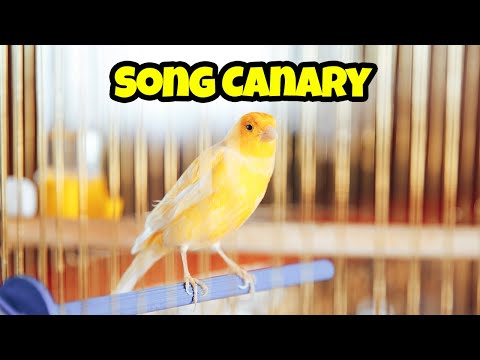
A Song Canary is a type of canary that is particularly prized for its vocal abilities.
Known for their ability to sing complex and sweet melodies, these birds are a favorite among bird enthusiasts.
The canary's song varies, with some birds capable of mimicking other bird songs or even human sounds. Typically, males are the primary singers, though females may also sing occasionally.
Feeding Your Song Canary: The Ideal Diet
Proper nutrition is crucial for keeping your Song Canary in top condition. A well-balanced diet will help maintain their vibrant feathers, promote longevity, and support overall health.
Seeds: A Primary Food Source

Seeds are the foundation of a Song Canary's diet. However, it's important to provide a variety of seeds to ensure a balanced intake of nutrients. Some excellent options include:
Canary seed – The staple of their diet.
Millet – A high-energy seed that is great for encouraging singing.
Hemp seeds – Rich in fatty acids, which promote healthy feathers.
Fresh Fruits and Vegetables
Song Canaries also benefit from fresh produce, which adds variety and important nutrients to their diet. Consider offering:
Carrots – Rich in vitamins and excellent for feather health.
Apple slices – Provide a natural source of sugar and fiber.
Spinach – Full of antioxidants and minerals.
Protein and Supplements

While seeds and fruits form the bulk of their diet, Song Canaries also require protein. Offer a small amount of:
Hard-boiled eggs – A great source of protein.
Mealworms – A nutritious treat that can enhance their singing.
Tip: Always provide fresh water and clean any uneaten food regularly to prevent mold growth.
Caring for Your Canary's Environment: Cage Setup and Location
The right environment is key to your Song Canary's well-being. A suitable cage and living space will ensure they feel comfortable and safe.
Choosing the Right Cage
When selecting a cage for your Song Canary, make sure it is spacious enough for them to fly short distances.
The cage should have horizontal bars for easy perching, and it should be at least 18 inches wide by 24 inches long. Ensure the bar spacing is no more than 1/2 inch to prevent escapes or injury.
Tip: Place a variety of perches at different heights within the cage to encourage exercise.
Cage Location

Place the cage in a quiet area of your home, away from direct sunlight and drafts.
Canaries thrive in stable environments with moderate temperatures. Make sure the cage is away from other pets, especially predators like cats and dogs, who might cause stress.
Daily Cleaning
Regular cleaning is crucial for your Song Canary's health. Wipe down the cage, change bedding, and clean food and water dishes every day to maintain a hygienic environment.
Health and Well-Being: How to Keep Your Song Canary Healthy
Maintaining good health is a top priority when caring for a Song Canary. Regular check-ups and observing behavioral changes can help catch health issues early.
Common Health Issues

Like all pets, Song Canaries can be prone to certain health problems. Some common issues include:
Feather plucking – Caused by stress or poor diet.
Respiratory infections – Often due to exposure to cold drafts or dirty cages.
Obesity – Caused by overfeeding or poor diet choices.
Signs of a Sick Canary
It's important to recognize when your canary is not feeling well. Look for these signs:
Changes in singing behavior – A sudden stop in singing can indicate illness or stress.
Lethargy or weakness – If your canary is unusually quiet or inactive, it may need veterinary attention.
Changes in droppings – Unusual color or consistency of droppings can be a sign of digestive problems.
Tip: Always consult an avian vet if you notice any of these symptoms. Early detection can prevent severe illness.
Interacting with Your Song Canary: Strengthening the Bond

Song Canaries are social birds and enjoy interaction with their owners. While they don’t require constant attention, regular interaction helps strengthen the bond between you and your pet.
Training Your Song Canary to Sing
Training a Song Canary to sing can take time, but with patience, you can encourage your bird to develop its vocal skills. Here’s how to get started:
Consistency – Play recorded bird songs daily to encourage your canary to mimic them.
Positive reinforcement – Reward your canary with treats when it sings.
Gentle encouragement – Avoid loud noises or sudden movements while training.
Providing Mental Stimulation
Song Canaries also benefit from toys and activities that provide mental stimulation. Consider including:
Mirrors – Some canaries enjoy seeing their reflection and may sing more.
Chew toys – Helps keep their beaks healthy and provides entertainment.
Foraging toys – Hide treats inside toys to encourage foraging behavior.

Conclusion: Ensuring Your Song Canary's Happiness and Longevity
Taking care of a Song Canary requires attention, patience, and dedication. By providing a balanced diet, a clean and safe environment, and regular interaction, you'll ensure that your bird enjoys a long, healthy, and happy life.
These charming little songbirds not only brighten up your home with their music but also offer companionship and joy. With the right care, your Song Canary will thrive for many years to come.
Tip: Stay attentive to your canary’s needs, and always adjust its care routine as it grows and matures.
We hope you enjoy this video about Birds
Source: Known Pets
Did you find this post useful or inspiring? Save THIS PIN to your Pets Board on Pinterest!

You may also like