
Speedy Steps to a Healthy and Happy Tortoise: Your Daily Care Routine

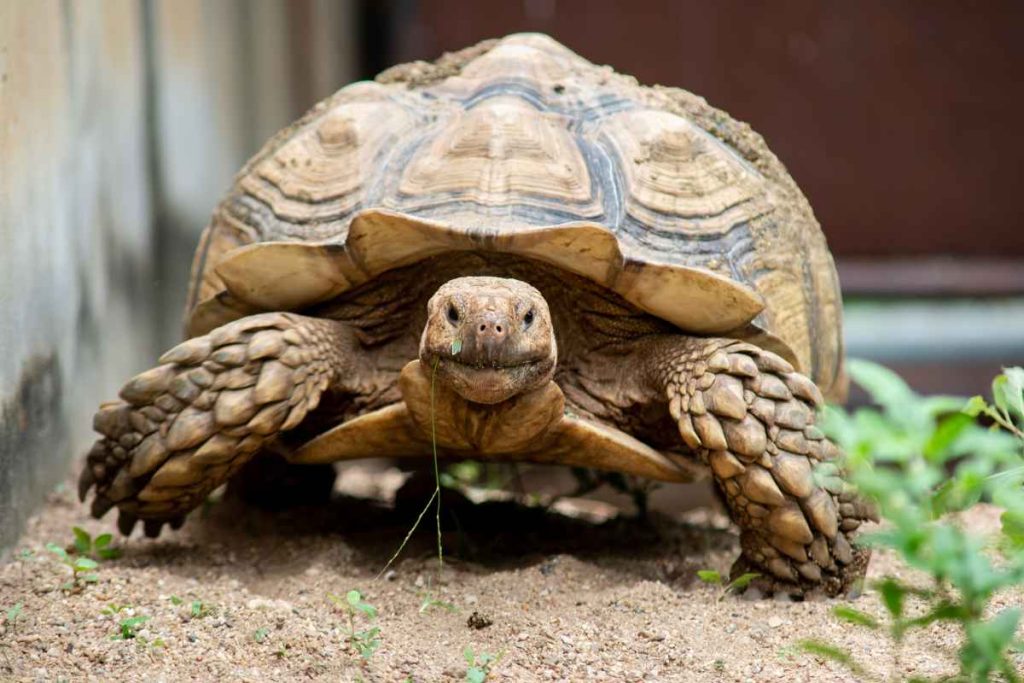
Taking care of a tortoise can be a rewarding experience, but ensuring their health and happiness requires a detailed and consistent routine. Whether you have a land tortoise or an aquatic species, there are certain aspects of their care that should be prioritized.
In this guide, we will cover the essential daily care steps to keep your tortoise in top condition, while also offering tips for creating the perfect environment.
Why Proper Daily Care Is Essential for Your Tortoise
Your tortoise's health and well-being depend on several key factors, including their diet, habitat, and regular monitoring. Daily care routines ensure that your tortoise thrives by mimicking natural conditions as closely as possible.
By maintaining a clean, safe environment, your tortoise will stay healthy, active, and happy.
Creating a Safe and Comfortable Habitat
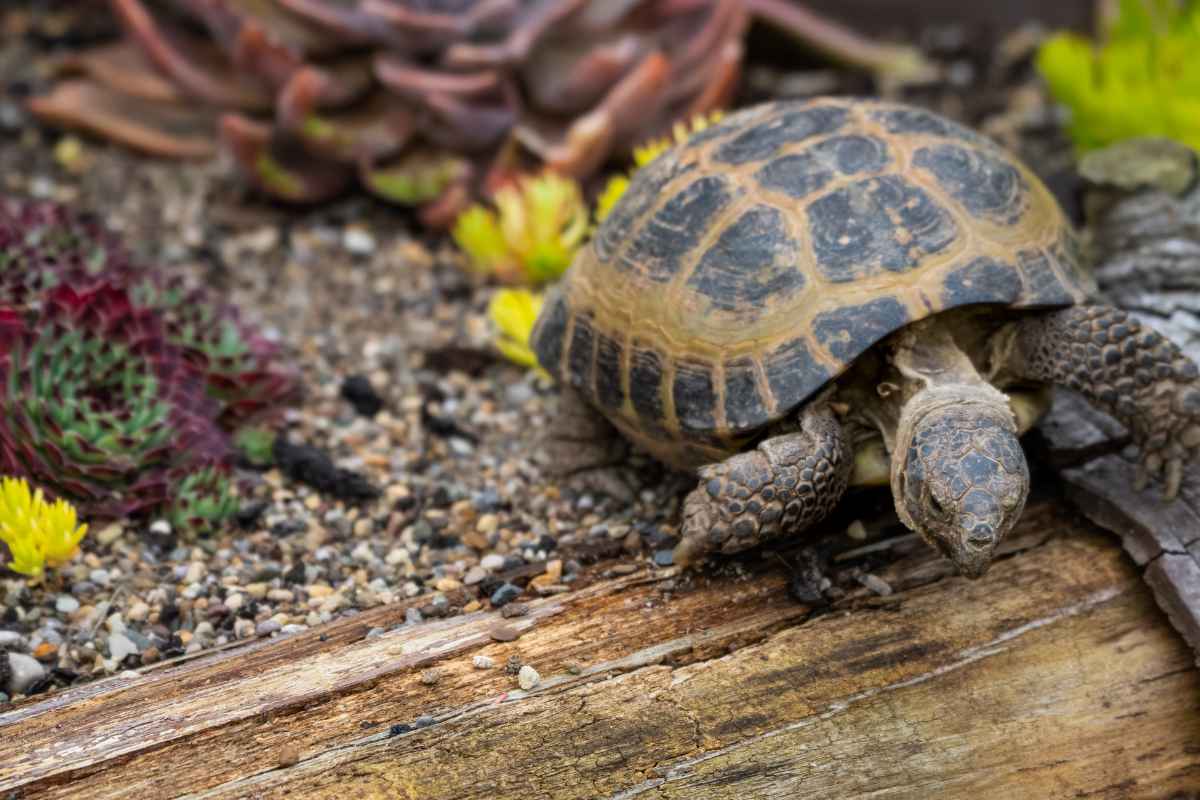
A proper habitat is crucial for your tortoise's health. Whether you're caring for a terrestrial or aquatic species, providing a space that mimics their natural environment is essential.
Temperature and Humidity
- Temperature: The ideal temperature for a tortoise varies depending on species. Generally, most land tortoises require a basking area with temperatures between 90°F and 100°F (32°C-38°C), while the cooler side of their habitat should remain around 75°F to 85°F (24°C-29°C). Aquatic tortoises will also benefit from warmer water temperatures, typically around 75°F to 85°F (24°C-29°C).
- Humidity: Different tortoise species have varying humidity requirements. For example, tropical species like the Indian Star Tortoise thrive in higher humidity, while desert species like the Leopard Tortoise prefer a dry environment. Use a humidifier or mist the habitat regularly to maintain ideal humidity levels.
Habitat Size and Enrichment
- Space: Tortoises need plenty of room to roam and explore. Ensure their habitat is spacious enough for them to move freely. For land tortoises, a minimum enclosure size of 4x6 feet is recommended for one adult.
- Enrichment: Offer rocks, logs, and other natural elements to encourage climbing and exploration. Tortoises are curious creatures, and providing a stimulating environment can help keep them mentally and physically active.
A Balanced Diet for Your Tortoise
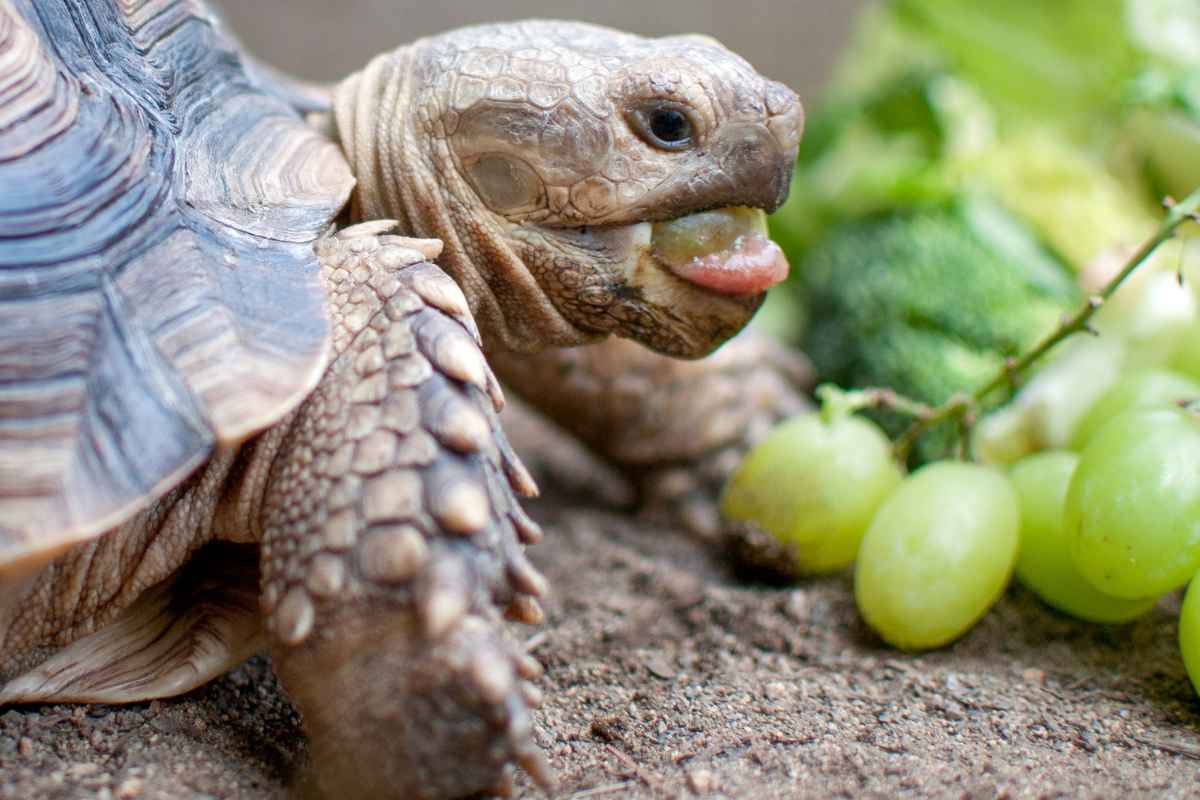
A proper diet is essential for your tortoise's health. Providing the right balance of nutrients helps prevent obesity, metabolic disorders, and shell problems. Here's what to keep in mind when feeding your tortoise:
What to Feed
- Leafy greens: Tortoises benefit from a variety of dark leafy greens such as kale, collard greens, and dandelion greens. These are packed with vitamins and minerals, especially calcium.
- Vegetables and fruits: Introduce a variety of veggies like carrots, bell peppers, and squash, and fruits like apples or strawberries in moderation.
- Avoid harmful foods: Steer clear of high-oxalate foods like spinach, as they can hinder calcium absorption. Also, avoid feeding them dairy, processed foods, or meat, as these can cause health issues.
Hydration
Make sure your tortoise has access to fresh, clean water at all times. Some species enjoy soaking in water, so provide a shallow dish where your tortoise can hydrate.
Daily Health Monitoring
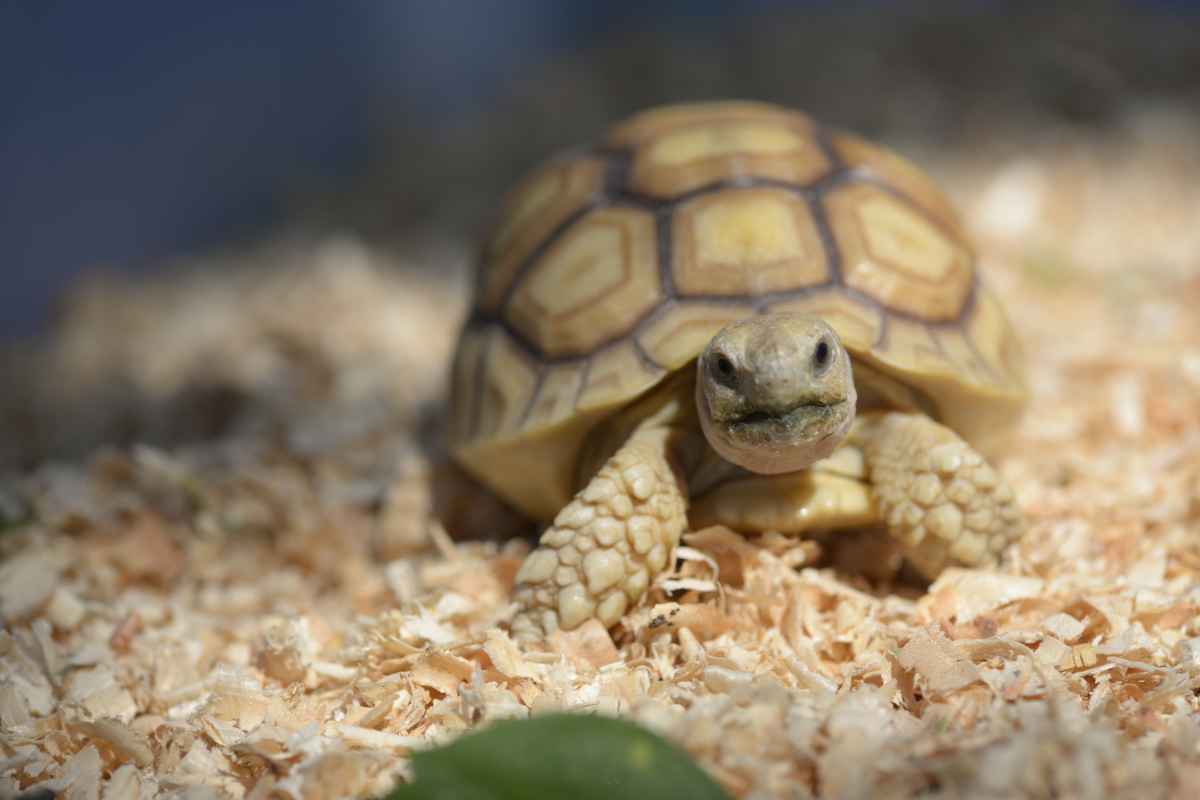
Regularly checking your tortoise for signs of illness is vital for early detection. Here’s what to look for:
Signs of a Healthy Tortoise
- Active and alert: Your tortoise should be active during the day and move around their habitat.
- Clear eyes and nose: Ensure that the eyes are clear and the nostrils aren’t blocked.
- Proper feeding and waste: Healthy tortoises eat well and produce solid waste that is not too soft or watery.
Signs of Illness
- Lethargy: If your tortoise is not moving much or seems unusually sleepy, it could be a sign of a health issue.
- Discharge from the eyes or nose: Any unusual discharge should be examined by a veterinarian.
- Abnormal shell or skin: Look out for soft spots, cracks, or abnormal color changes in the shell or skin, which could indicate infections or metabolic bone disease.
Essential Tools and Accessories
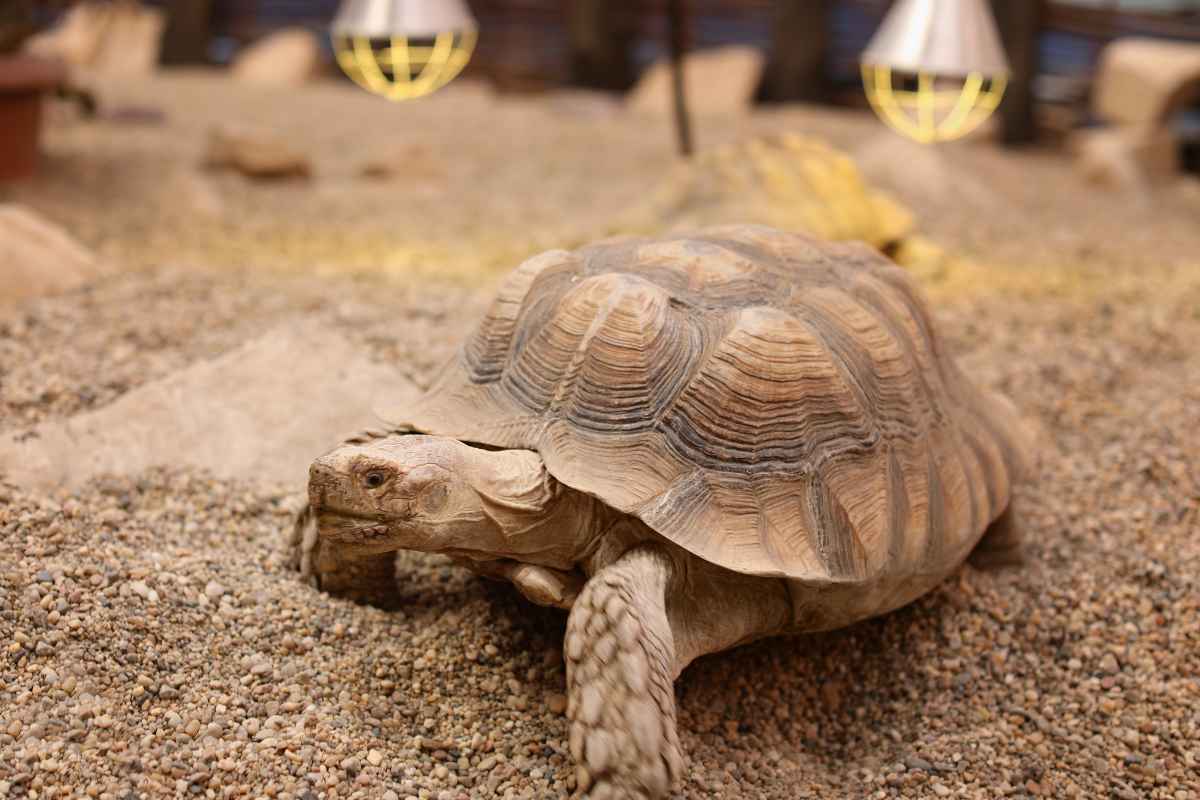
Having the right tools makes tortoise care easier. Here’s a quick list of what you’ll need:
- Basking lamp: To provide the necessary heat for your tortoise to digest food.
- UVB lighting: Tortoises need UVB light to synthesize vitamin D3, which is essential for calcium absorption.
- Substrate: Use coconut coir, cypress mulch, or other natural substrates that allow your tortoise to burrow and feel secure.
Regular Checkups and Vet Visits
Even with excellent daily care, it’s essential to schedule regular vet visits. Veterinary checkups are crucial for monitoring your tortoise's overall health. You should aim for a checkup at least once a year or sooner if you notice any health concerns.
The Importance of Social Interaction
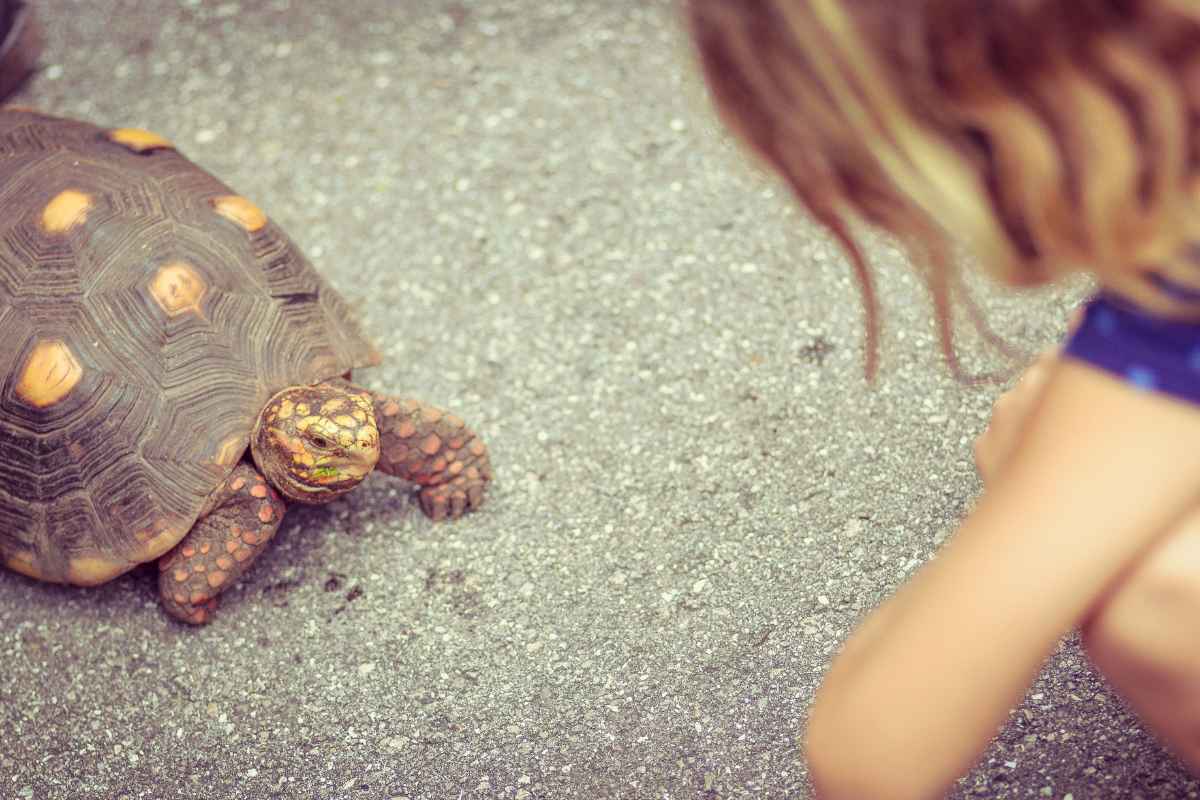
Although tortoises are generally solitary animals, interaction is still important. Take time to interact with your tortoise daily. Hand-feeding, offering fresh veggies, and gentle handling can help build trust between you and your pet.
Make Tortoise Care a Daily Priority
Taking care of your tortoise doesn’t have to be complicated. By maintaining a clean, well-lit, and enriched environment, offering a balanced diet, and monitoring their health, you will help your tortoise live a long and healthy life.
Consistency is key—make these daily care steps a routine, and your tortoise will thrive.
We hope you enjoy this video about Tortoise

Source: TheGreatPetShop
Did you find this post useful or inspiring? Save THIS PIN to your Pets Board on Pinterest!

You may also like