
Tame Your Lizard: Helpful Tips For A Happy And Healthy Relationship

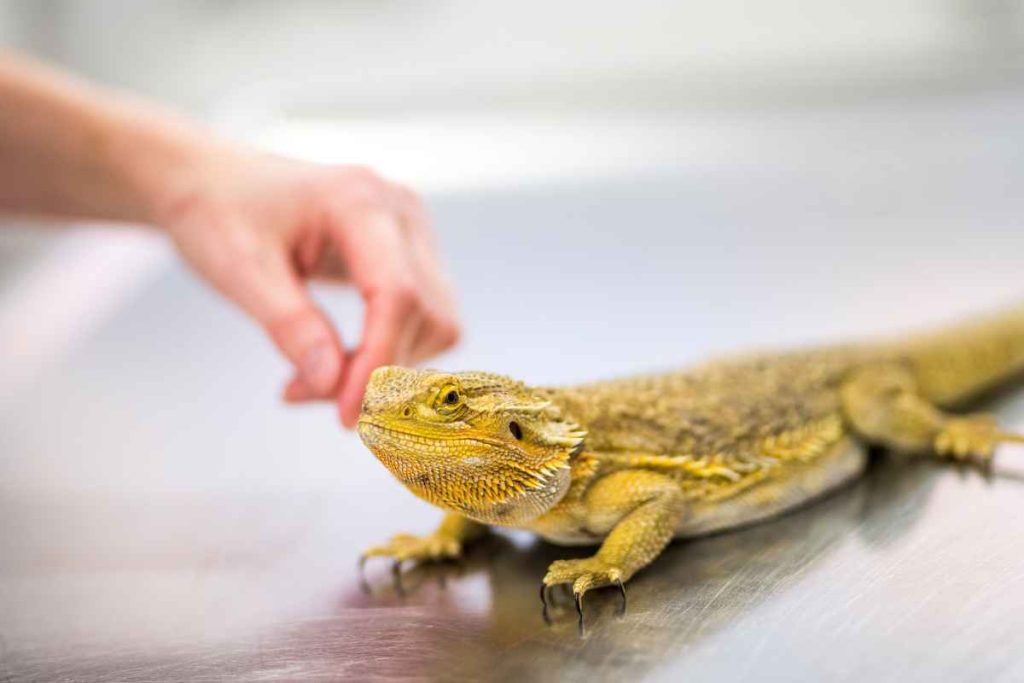
Building a strong and healthy bond with your pet lizard can be a rewarding experience. Iguanas and other reptiles have unique behaviors and needs, and understanding these can help create a more fulfilling relationship.
This article will guide you through effective lizard care tips, from interactive techniques to maintaining a healthy environment for your pet.
Understanding Your Lizard’s Needs
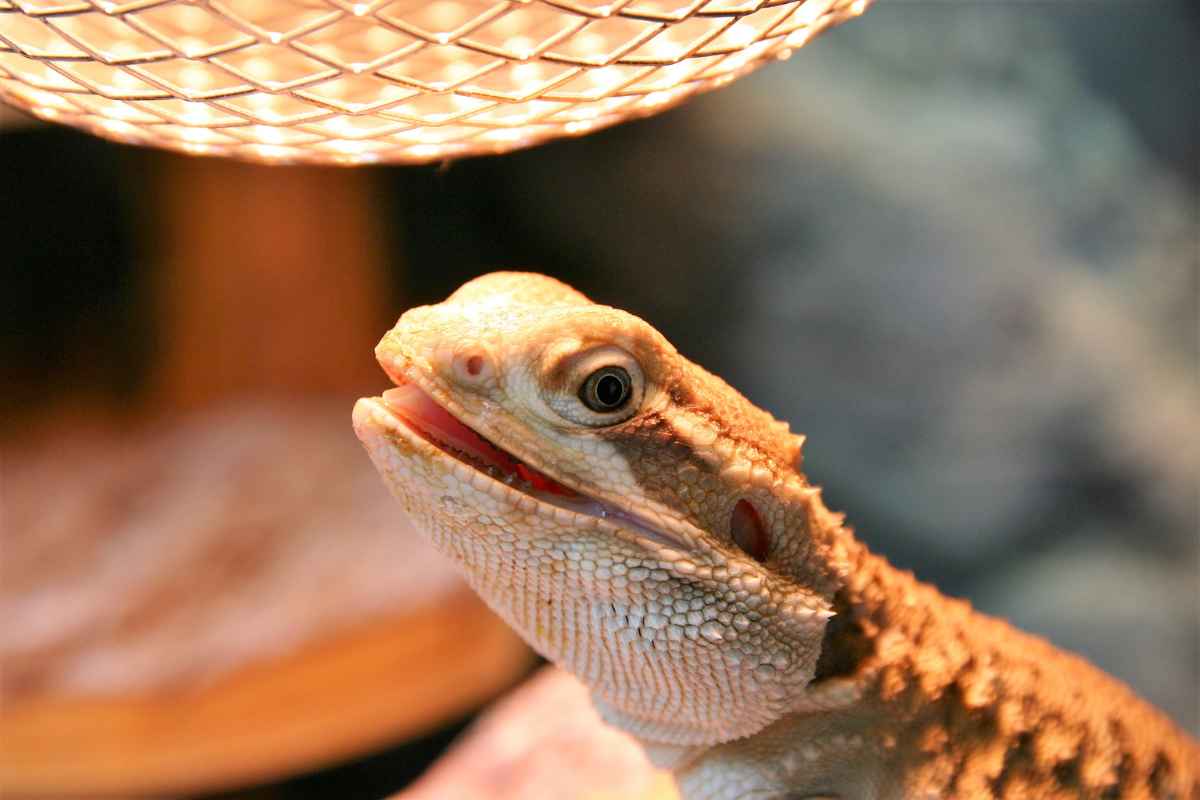
Reptiles are cold-blooded creatures that rely heavily on their environment for warmth and light. Iguanas, for example, require UVB lighting to synthesize vitamin D3, which is essential for calcium absorption.
Without proper lighting, your lizard can suffer from bone disease and weakened immune systems. It’s important to set up their enclosure with appropriate heat sources and UVB lights to keep them healthy.
Behavior and Social Needs
Unlike some pets, iguanas are not necessarily affectionate in the way dogs or cats are. However, they can develop trust and bond with their owners through regular, positive interaction.
A consistent routine of gentle handling, feeding, and environmental enrichment will help your lizard feel comfortable and safe.
It’s important to understand that lizards are territorial by nature. For this reason, they may initially be cautious when interacting with new people or environments. With patience and time, you can help your pet feel more at ease.
Creating the Perfect Environment
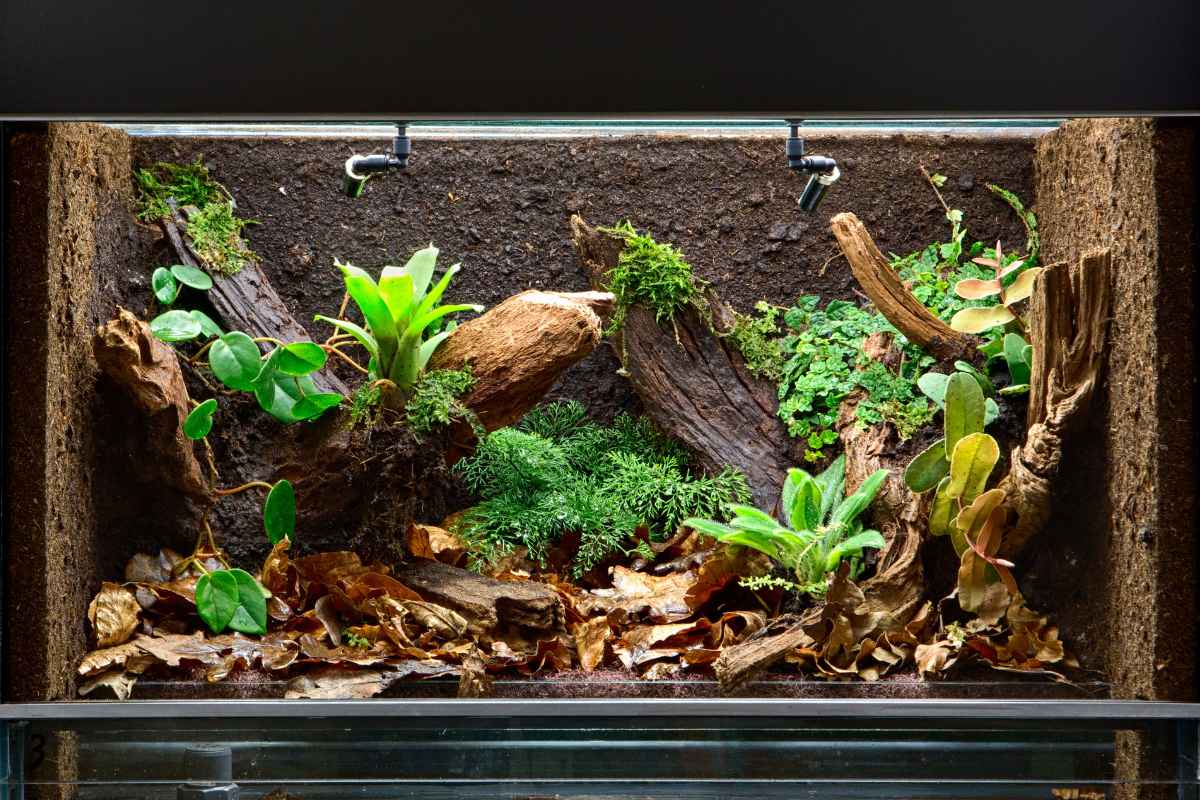
Your pet’s habitat plays a significant role in their overall well-being. An ideal enclosure should replicate their natural environment as closely as possible. For iguanas, this means providing:
- Proper heat sources: Lizards need a basking spot between 85–95°F to regulate their body temperature.
- A varied diet: Offer a mix of leafy greens, fruits, and vegetables. In the wild, iguanas are herbivores, but some may occasionally eat insects.
- Humidity control: Iguanas require humidity levels of 70–80%. Consider adding a misting system to keep the air moist.
If you’re unsure about setting up the habitat, consult with a veterinarian specializing in reptiles. They can offer tailored advice to ensure the enclosure suits your lizard’s species and needs.
Training and Interaction
Training your lizard is not only possible but also beneficial for both you and your pet. Many lizards can be trained using positive reinforcement techniques such as treats or gentle praise.
One popular method is clicker training, where a clicker sound is followed by a reward. This helps the lizard associate the sound with a positive experience.
Enrichment Activities
Lizards thrive in environments where they can explore and engage with their surroundings. To keep your pet mentally and physically stimulated, try the following:
- Variety in the enclosure: Add climbing structures, rocks, or branches that allow your lizard to explore its habitat.
- Interactive toys: Some lizards enjoy chasing small, non-threatening objects, such as balls or moving toys.
- Socialization: While iguanas may not crave affection like mammals, some species can become accustomed to being handled gently. Start slowly by letting your lizard explore your hand, then gradually increase the time spent together.
Remember, each lizard has a unique personality, and some may enjoy socializing more than others. Always observe your pet’s body language and respect its boundaries.
Common Lizard Health Issues and How to Prevent Them
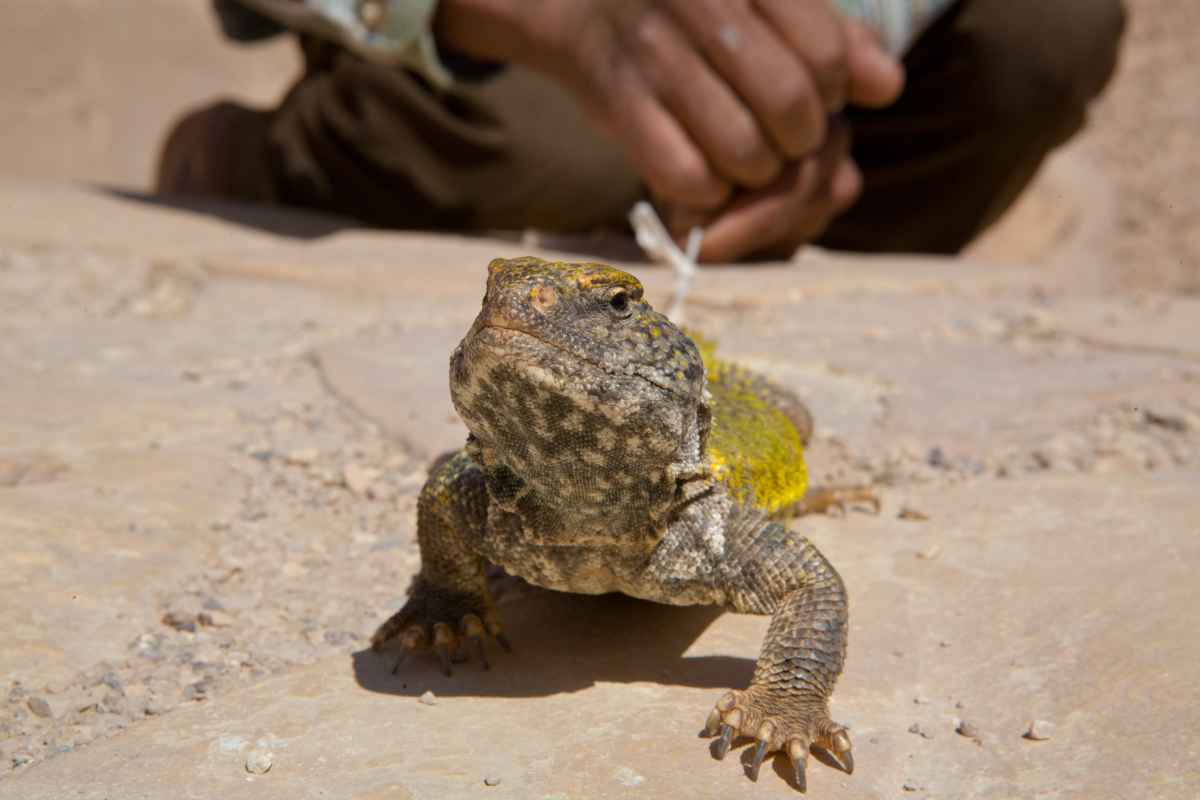
One of the most important aspects of pet care is recognizing potential health issues early. Common problems in iguanas and other lizards include:
- MBD (Metabolic Bone Disease): Often caused by a lack of UVB light or improper calcium intake, this can lead to deformed bones and lethargy. To prevent MBD, ensure your lizard gets adequate UVB light and a balanced diet rich in calcium.
- Respiratory infections: These can occur if your lizard’s habitat is too cold or humid. To avoid respiratory issues, maintain consistent temperature and humidity levels.
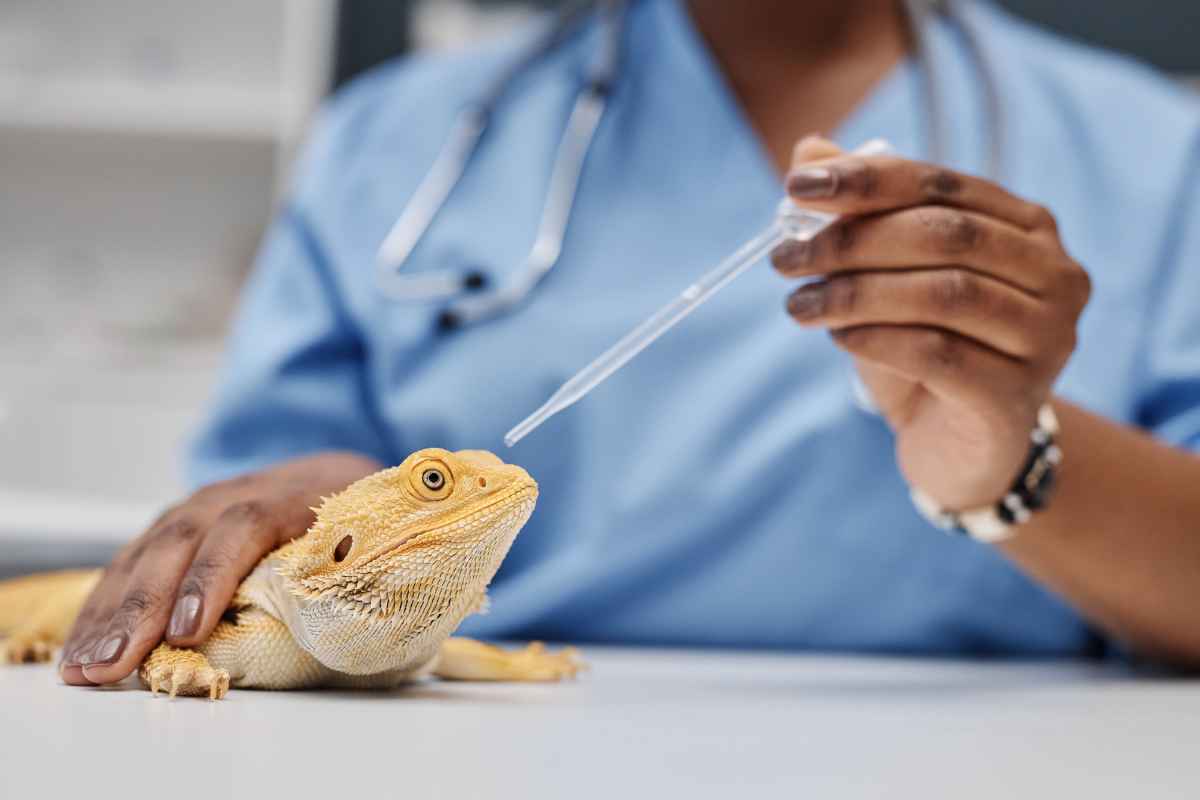
- Parasites: External and internal parasites are common in reptiles. Regular vet checkups can help detect these issues early on.
If you notice your lizard being unusually sluggish, refusing to eat, or displaying abnormal behavior, it’s time to seek veterinary advice.
Building Trust: Handling Your Lizard with Care
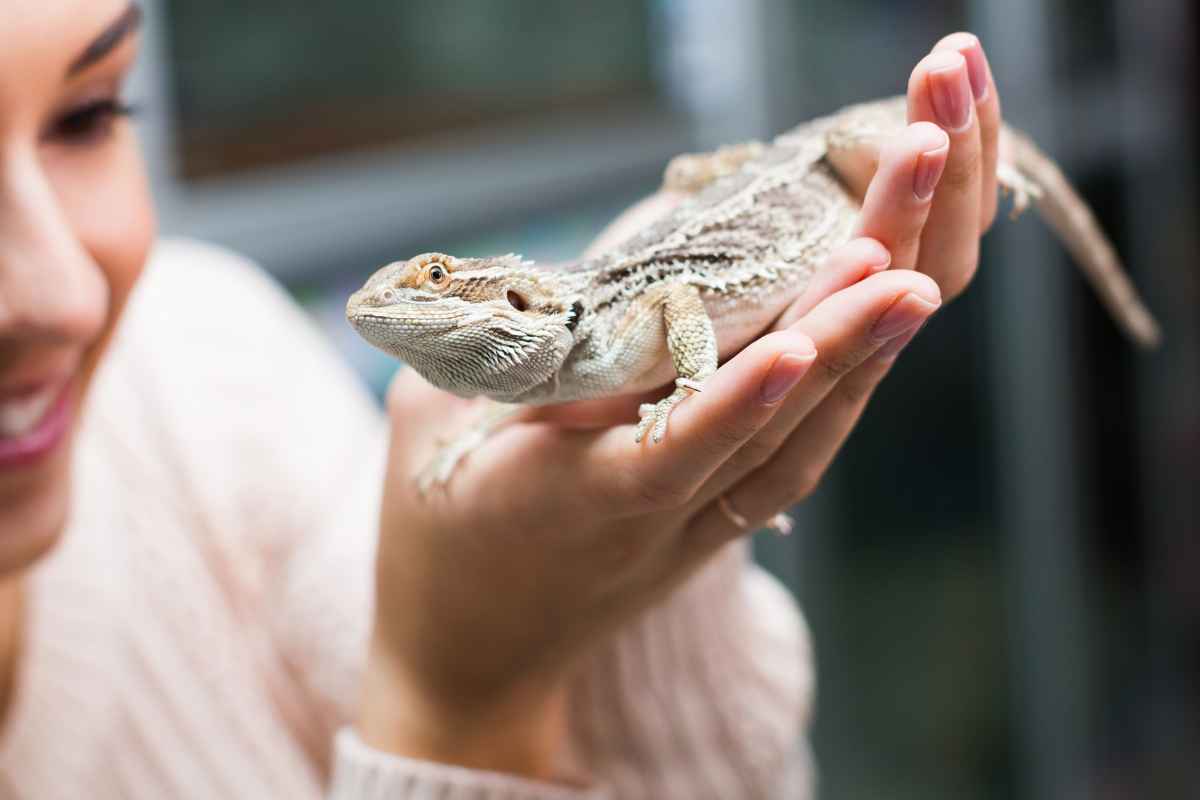
Handling your lizard with respect and patience is key to forming a healthy bond. Here’s how to go about it:
- Start Slow: Begin by placing your hand near your lizard and allow it to come to you. Don’t force any interaction.
- Gentle Touch: Use soft, slow movements when handling your pet. Start with short sessions and gradually increase the length of the interaction.
- Observe Behavior: Always observe your lizard’s body language. If it appears stressed or agitated, it’s best to stop and try again later.
It’s essential to make sure that the experience is positive for your pet. Over time, with consistency and care, your lizard will learn to trust you.
Fostering a Happy, Healthy Lizard Relationship
Building a bond with your lizard takes time, patience, and understanding of its unique needs. By providing a proper environment, interacting positively, and offering mental stimulation, you can ensure that your pet thrives.
Remember that each lizard is different, and the key to a happy, healthy relationship lies in patience and respect for your pet’s natural instincts.
With these expert tips, you’ll be well on your way to fostering a positive and long-lasting relationship with your lizard. Happy lizard keeping!
Enjoy this Video About Lizards
Source: The Reptile Project
Did you find this post useful or inspiring? Save THIS PIN to your Pets Board on Pinterest!

You may also like