
Teach Your Hamster to Potty in the Box: A Guide to Sandboxing


Training your hamster to use a potty box may sound like a challenging task, but with patience and the right approach, it’s completely possible. Not only does it help in maintaining a clean environment, but it also ensures that your little pet is comfortable and happy.
In this guide, we will walk you through everything you need to know about potty training your hamster, from choosing the right materials to tips for successful training.
Why Train Your Hamster to Use a Potty Box?
Training your hamster to use a potty box has several benefits. It helps reduce the mess inside their cage and makes cleaning easier.
Additionally, it provides your hamster with a more natural environment, as they will have a designated space for elimination, which is something they would naturally do in the wild.

Choosing the Right Potty Box for Your Hamster
The first step in training your hamster is choosing the right potty box. Unlike cats, hamsters are smaller, so you'll need a small, sturdy container that fits comfortably in their cage.
A litter box designed for small animals is ideal, as it allows them to access it easily. Some hamsters prefer a corner box, which takes advantage of their natural tendency to eliminate in one spot.
The Best Sand for Hamster Potty Training
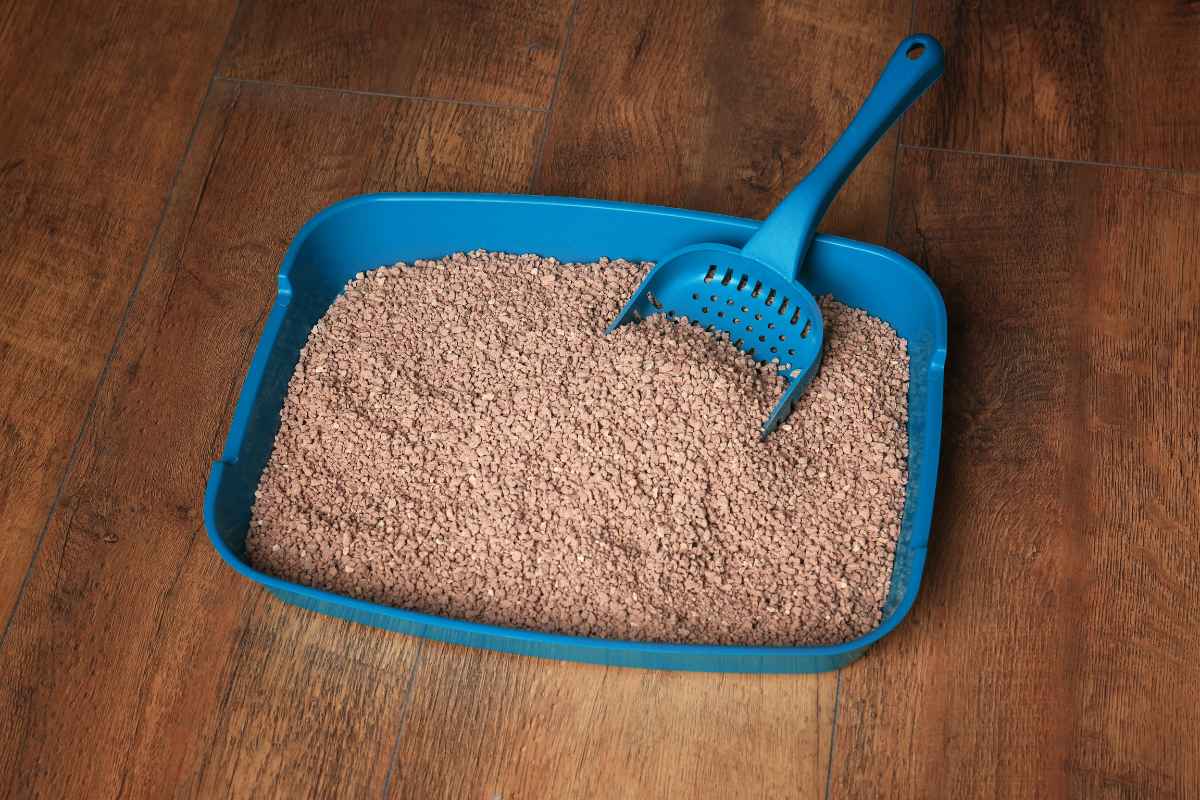
One of the most important aspects of sandboxing is selecting the right substrate for your hamster’s potty box. Chinchilla sand or hamster potty sand is the best option, as it’s designed to be safe for small animals and absorbs moisture effectively.
Avoid using children’s sand or clumping cat litter, as these can be harmful to your hamster’s health.
Step-by-Step Guide to Potty Training Your Hamster
Now that you have the right materials, it’s time to start training. Here’s how you can do it:
Step 1: Place the Potty Box in the Cage
Place the potty box in a corner of your hamster’s cage where they tend to eliminate. Hamsters are creatures of habit, so they will often use the same spot for bathroom activities. Try to observe where your hamster typically goes to the bathroom, and place the box there.
Step 2: Add the Right Substrate
Fill the box with chinchilla sand or another suitable substrate that absorbs moisture. This will encourage your hamster to use the box. Make sure the box is not too deep, as hamsters may find it difficult to climb in.

Step 3: Watch for Signs and Encourage the Behavior
It’s important to observe your hamster’s behavior during this training period. If they start to eliminate outside the box, gently guide them to the potty box.
Be patient—training a hamster to use a potty box can take time, but consistency is key. Over time, your hamster will begin to associate the box with bathroom activities.
Step 4: Reinforce Positive Behavior
Whenever your hamster uses the potty box, reward them with a small treat. This helps reinforce the positive behavior and encourages them to continue using the box.

Troubleshooting: Common Problems and How to Solve Them
If your hamster is having trouble using the potty box, don’t worry—it’s a common issue. Here are some possible reasons and solutions:
- Your hamster is not using the potty box: Ensure that the box is placed in the right corner and that you’re using the right substrate. Some hamsters may also need more time to adjust.
- Your hamster is avoiding the box: If your hamster is avoiding the potty box, it could be too deep or uncomfortable for them. Make sure the box is easy to access and not too high.
- Frequent accidents: If your hamster is still having accidents outside the box, try placing small amounts of their urine-soaked bedding inside the potty box to help them recognize the scent and encourage use.
Species-Specific Tips for Hamster Potty Training
Different species of hamsters may have different training needs. For example, Syrian hamsters are generally easier to train than dwarf hamsters, as they tend to be more predictable in their behaviors.
When training a dwarf hamster, be prepared for the process to take longer, as they may not be as eager to use a potty box.
Why Potty Training Your Hamster Matters
Potty training your hamster not only makes cage cleaning easier but also enhances your pet’s overall well-being. A clean and organized living space reduces stress and gives your hamster more room to play and explore.
Plus, it’s a great way to bond with your pet and improve your relationship.

Enjoy a Cleaner Cage with Hamster Potty Training
With patience, consistency, and the right tools, potty training your hamster can be a rewarding experience. Remember to observe your hamster’s habits, choose the right potty box and substrate, and reinforce positive behavior.
By doing so, you’ll create a cleaner, more enjoyable environment for your hamster to live in.
Enjoy this Video About Hamsters

Source: VanillaHamHam
Did you find this post useful or inspiring? Save THIS PIN to your Pets Board on Pinterest!

You may also like