
The 10 Best Fish Tank Cleaners: Algae Eaters, Snails and Shrimp


This post contains affiliate links. As an Amazon Associate, Urbaki Pets earns from qualifying purchases, at no extra cost to you.
Quick answer: the best fish tank cleaners for most freshwater aquariums are nerite snails, Amano shrimp, otocinclus catfish and bristlenose plecos. They stay a manageable size, get along with peaceful community fish and eat the algae and leftovers that make a tank look dirty. Pick them based on your tank size and the kind of mess you have, and remember that no fish, snail or shrimp replaces water changes and a good filter.
A clean tank isn't only about looks. Algae and rotting food are signs of extra nutrients in the water, and those nutrients affect your fish's health. A small "cleanup crew" helps keep that under control between maintenance days, and it's fun to watch too.
Below you'll find the 10 best fish tank cleaners, what each one is good at, which tanks they fit, and the mistakes that make people think their algae eaters "stopped working."
Why Use Fish Tank Cleaners?
Every aquarium produces waste. Fish poop, uneaten flakes and dead plant leaves break down into nutrients, and algae loves nutrients. Cleaner species help in three ways:
- They graze algae on glass, rocks, wood and plant leaves before it spreads.
- They eat leftovers that sink to the bottom and would otherwise rot in the gravel.
- Some stir the substrate, like burrowing snails, which keeps sand from packing down.
What they don't do is remove the dissolved waste in the water. That's still your job, with regular partial water changes and a filter that's sized for your tank. If you're starting from scratch, our guide on how to set up a fish tank walks through the basics first.
Quick Comparison: Which Cleaner Fits Your Tank?
- Small tanks (10-20 gallons): nerite snails, Amano shrimp, a small group of otocinclus.
- Medium community tanks (20-55 gallons): bristlenose pleco, Siamese algae eater, mollies, Malaysian trumpet snails.
- Larger tanks (55 gallons and up): rubber lip pleco, Chinese algae eater (with care), Florida flagfish.
- Planted tanks: Amano shrimp, otocinclus and nerites are gentle on plants.
- Hair algae or black beard algae: Siamese algae eater, Amano shrimp, Florida flagfish.
- Brown film (diatoms) on glass: otocinclus and nerite snails.
The 10 Best Fish Tank Cleaners
Here are our top picks, with the size, water needs and the job each one does best.
1. Siamese Algae Eater (Crossocheilus oblongus)
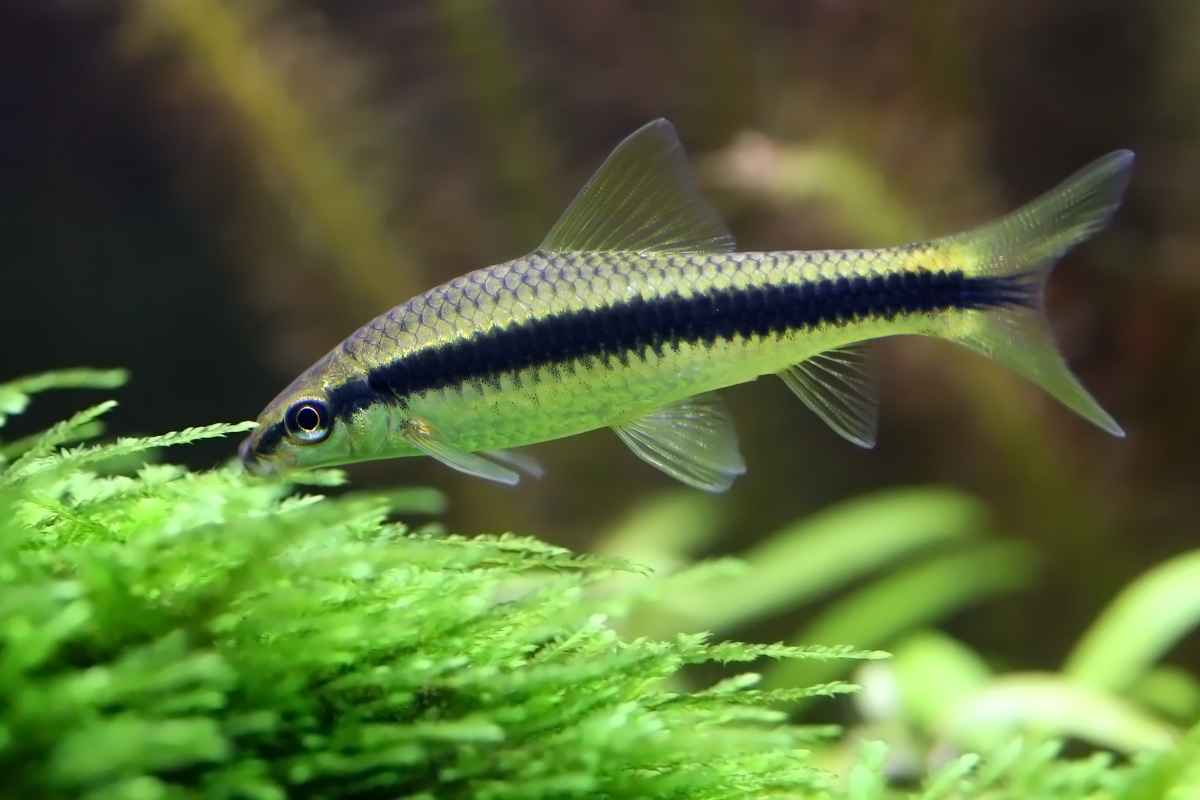
The Siamese algae eater is one of the most popular algae-eating fish for freshwater tanks, and for good reason. It's one of the few fish that will actually pick at hair algae and black beard algae, two types most fish ignore.
- Size: up to about 6 inches.
- Water: 75-80°F, slightly acidic to neutral pH.
- Best for: medium to large community tanks with a tight lid, since they can jump.
Tip: they're active swimmers and do best in a small group in a roomy tank. Pet stores sometimes mix them up with the Chinese algae eater, so look for the black stripe that runs all the way into the tail.
2. Bristlenose Pleco (Ancistrus cirrhosus)
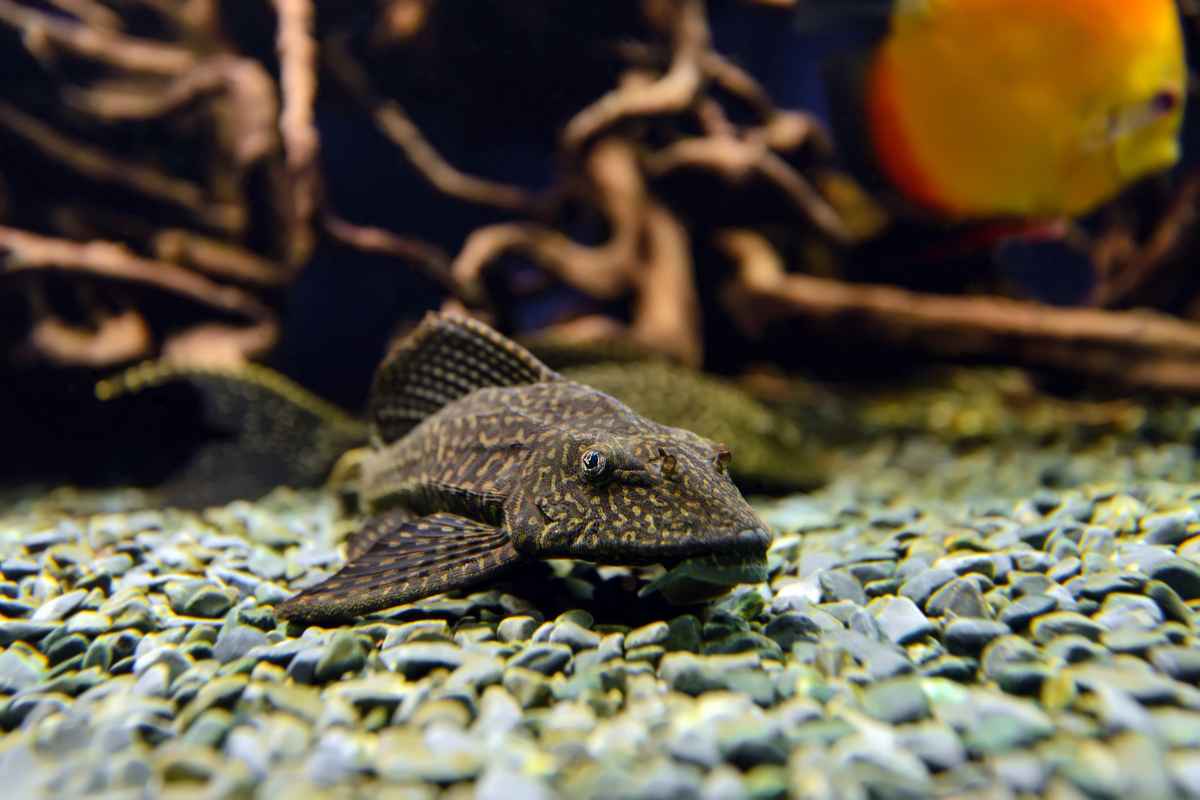
If you want a pleco but don't have room for a giant common pleco, the bristlenose is the one to get. It's small, peaceful and spends its time rasping algae and biofilm off glass, rocks and driftwood. Males grow the fleshy "bristles" on the nose that give the fish its name.
- Size: about 4-5 inches.
- Water: 70-80°F, neutral pH.
- Best for: 20-gallon and larger community tanks.
Tip: add a piece of driftwood. Plecos like to rasp on wood, and it gives them a place to hide during the day.
3. Malaysian Trumpet Snail (Melanoides tuberculata)
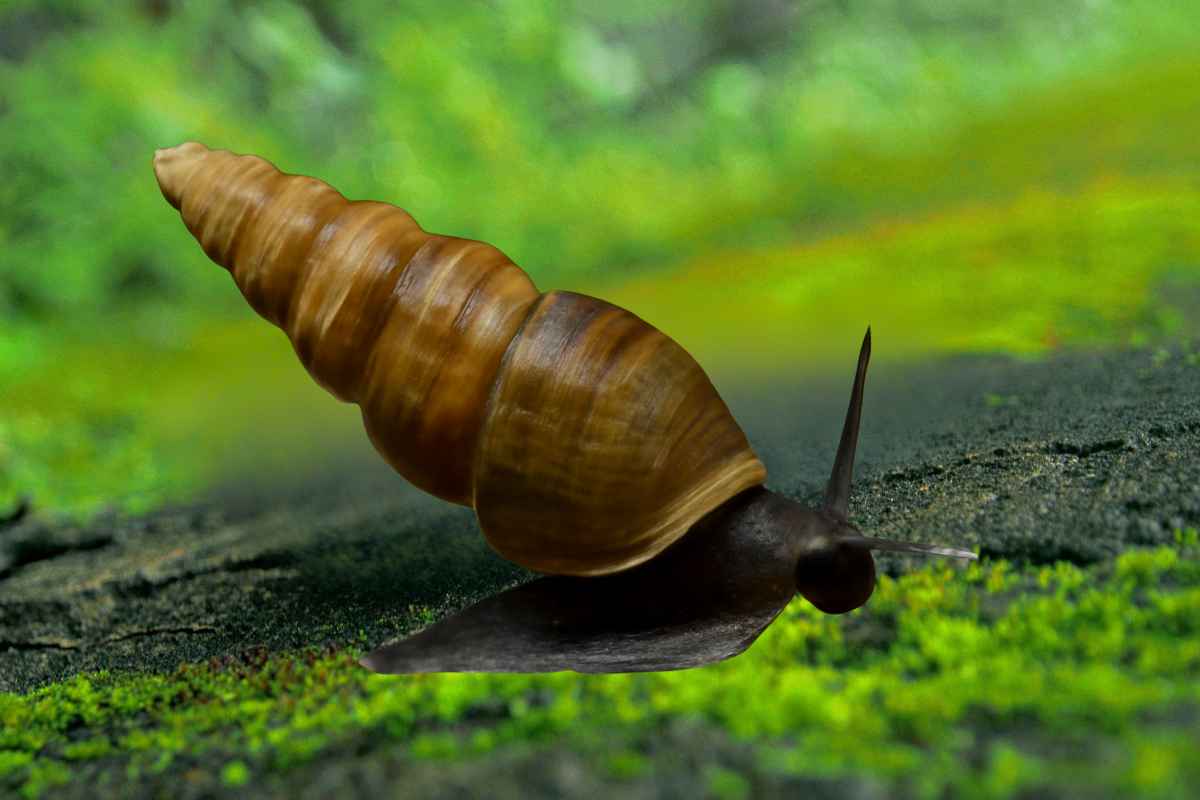
Malaysian trumpet snails spend most of the day burrowing in the sand. That keeps the substrate loose so pockets of waste don't build up, and at night they come out to eat leftover food and soft algae.
- Size: 1-2 inches.
- Water: 70-80°F, slightly alkaline pH.
- Best for: sand-bottom and planted tanks.
Heads-up: they breed easily. A sudden boom in snails usually means there's too much food in the tank, so feed a little less and their numbers will settle down.
4. Otocinclus Catfish (Otocinclus vittatus)

Otos are tiny, gentle and great at cleaning the soft brown and green film on plant leaves and glass. They won't harm even delicate plants, which makes them a favorite for planted tanks.
- Size: up to about 2 inches.
- Water: 72-78°F, slightly acidic to neutral pH.
- Best for: established tanks with plants, kept in a group of 5 or more.
Tip: don't add otos to a brand-new, spotless tank. They need a steady supply of biofilm, so wait until the tank has been running for a while and offer sinking algae wafers or blanched zucchini as well.
5. Amano Shrimp (Caridina multidentata)
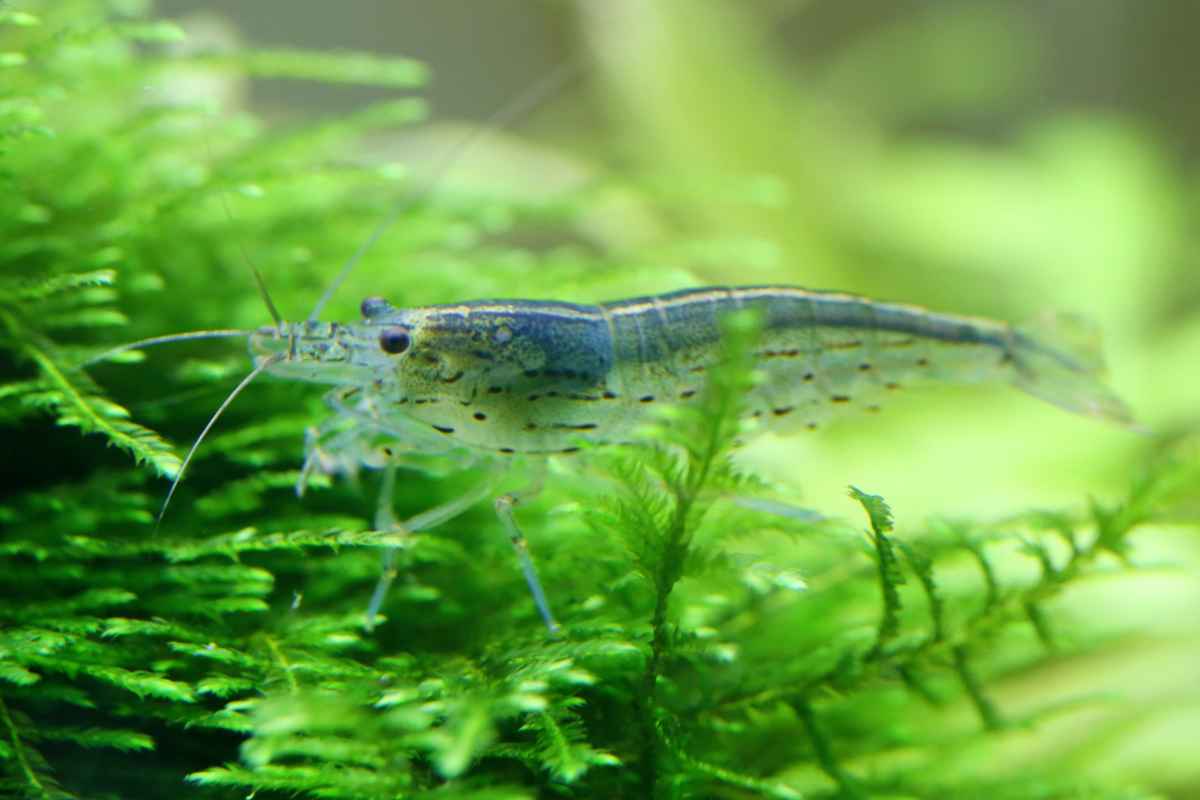
Amano shrimp are some of the hardest-working cleaners you can buy. They pick at green algae, hair algae and leftover food all day, and they're fun to watch as they "comb" plants and rocks with their tiny claws.
- Size: about 2 inches.
- Water: 72-80°F, neutral to slightly alkaline pH.
- Best for: planted tanks and peaceful community tanks.
Tip: keep them away from large fish that could eat them, and never use plant fertilizers or treatments that contain copper, since shrimp are very sensitive to it. Check our list of aquarium-safe plants that improve water quality for good companions.
6. Chinese Algae Eater (Gyrinocheilus aymonieri)
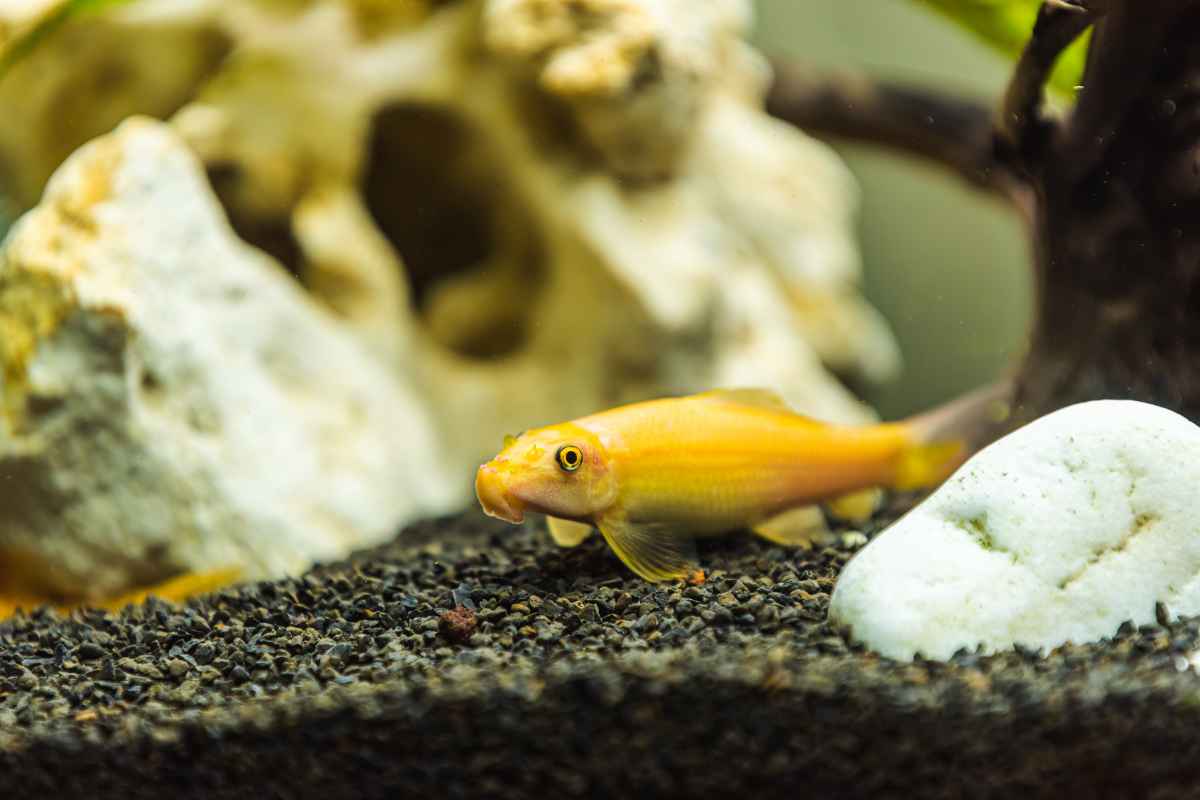
Young Chinese algae eaters are excellent at clearing green algae from glass and decor. The catch is that they change as they grow: adults get bigger, more territorial and less interested in algae.
- Size: up to about 10 inches.
- Water: 74-82°F, slightly acidic to neutral pH.
- Best for: large tanks with sturdy, fast-moving tankmates.
Heads-up: adults may latch onto slow, flat-bodied fish like angelfish or discus. If you have a peaceful community tank, a Siamese algae eater or a bristlenose pleco is usually the safer choice.
7. Zebra Nerite Snail (Neritina natalensis)

Nerite snails might be the best value cleaner in the hobby. They're small, peaceful, leave plants alone and are especially good at scraping brown algae (diatoms) and green spot algae off glass and rocks.
- Size: about 1 inch.
- Water: 72-78°F, pH around 7.5-8.5. They need hard enough water to keep their shells strong.
- Best for: small and nano tanks, freshwater or brackish.
Good to know: nerites can lay small white eggs on hard surfaces, but the eggs won't hatch in freshwater, so you won't end up with a snail explosion. Keep a lid on the tank, because they sometimes climb out.
8. Rubber Lip Pleco (Chaetostoma milesi)
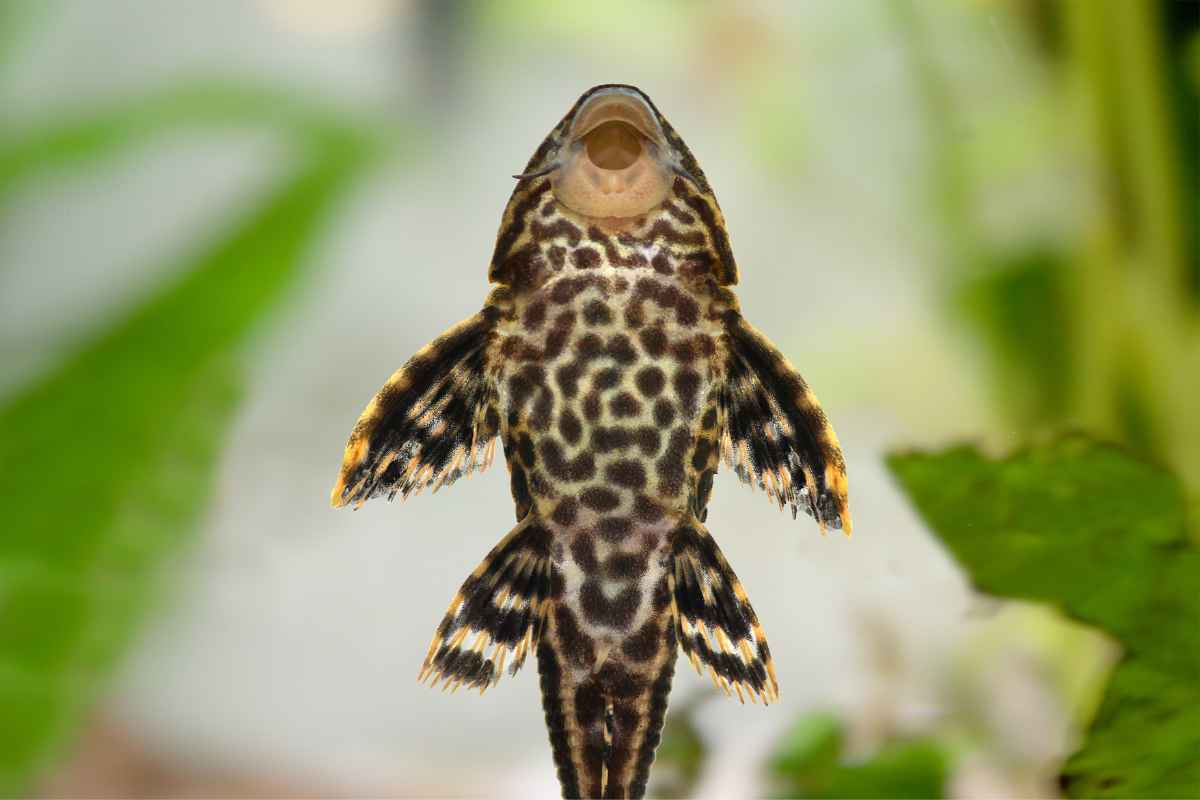
The rubber lip pleco is a hardy, peaceful algae eater that works the rocks and wood in your tank, mostly at night. It's a good alternative to the bristlenose if you want something a little different.
- Size: up to about 6 inches.
- Water: 75-80°F, neutral to slightly alkaline pH.
- Best for: tanks with plenty of caves and hiding spots and good water flow.
Tip: since it's shy during the day, drop in a sinking wafer after lights out so it gets its share of food.
9. Florida Flagfish (Jordanella floridae)

The Florida flagfish is a colorful, hardy native killifish with a reputation for eating hair algae, one of the most annoying algae types to get rid of.
- Size: up to about 2 inches.
- Water: 70-82°F, slightly acidic to neutral pH. It tolerates cooler water than most tropical fish.
- Best for: hair algae problems in tanks without slow, long-finned fish.
Heads-up: males can get feisty with each other and may nip at long fins, so they're not the best match for bettas or fancy guppies. Not sure who gets along with a betta? See which fish can safely live with betta fish.
10. Molly Fish (Poecilia sphenops)
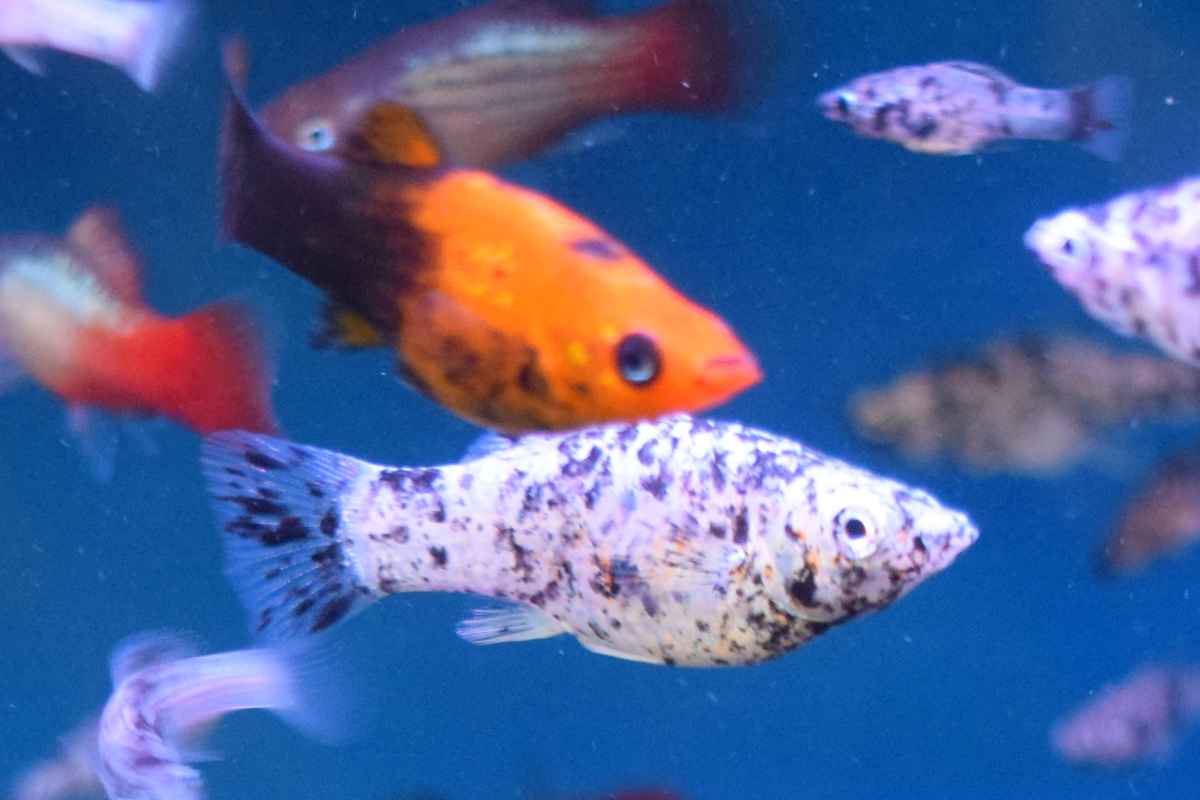
Molly fish aren't usually sold as cleaners, but they spend a lot of time nibbling soft algae off plants and decor, and they'll happily clean up leftover food. They're also easy to find, colorful and beginner-friendly.
- Size: up to about 4 inches.
- Water: 72-82°F, slightly alkaline pH. They do best in harder water.
- Best for: community tanks where you want a cleaner that's also a show fish.
Heads-up: mollies are livebearers and breed quickly. Keep more females than males so the males don't stress any single female.
How Many Cleaners Do You Need?
More isn't better. Too many algae eaters will run out of food and go hungry, and more fish means more waste. A simple way to start:
- Look at the problem. Brown film on glass? Start with nerites or otos. Hair algae? Try Amano shrimp or a Siamese algae eater.
- Check the adult size. Make sure the cleaner fits your tank when it's fully grown, not just at the store.
- Start small. Add a few snails or shrimp, or one pleco, and watch for a couple of weeks before adding more.
- Mix species. A combination works better than a crowd of one kind: for example, snails for the glass, shrimp for the plants and a pleco for wood and rocks.
- Quarantine new arrivals. Shrimp, snails and fish can all bring in pests or disease. A simple quarantine tank keeps your main tank safe.
Feeding Your Cleanup Crew
This is the number one mistake we see: people buy algae eaters and expect them to live on algae alone. In a clean tank there often isn't enough, and your cleaners slowly starve.
- Offer sinking algae wafers a few times a week, ideally after lights out for shy plecos.
- Try blanched vegetables like zucchini or cucumber slices. Remove what's left after several hours so it doesn't foul the water.
- Watch your snails and shrimp. If they're always hiding or barely moving, check your water before blaming the food.
- Keep the main fish diet light. Overfeeding is what causes most algae and snail explosions in the first place.
Common Mistakes With Fish Tank Cleaners
- Using them instead of maintenance. Cleaners help, but they can't remove nitrates. Keep up with partial water changes and gravel vacuuming. Our aquarium hygiene guide has an easy routine.
- Adding them to a brand-new tank. Shrimp, otos and snails do best in a tank that has been running for a while and has stable water.
- Ignoring the cause of the algae. Too much light, too much food and infrequent water changes all feed algae. Fix those and your cleaners can keep up.
- Buying the wrong pleco. The common pleco sold as a baby can outgrow most home aquariums. Bristlenose and rubber lip plecos stay much smaller.
- Using copper-based products. Many treatments and some plant products contain copper, which is harmful to snails and shrimp. Read the label first.
Live plants also compete with algae for nutrients. If you'd like a low-effort boost, these easy house plants that help filter your aquarium are a fun project.
Signs Your Cleaners Aren't Doing Well
Snails, shrimp and bottom feeders often show problems with the water before your other fish do. Watch for:
- Snails staying closed up or lying upside down for long periods.
- Shrimp hiding all the time, turning pale or struggling to molt.
- Plecos or otos with sunken bellies, which usually means they're not getting enough food.
- Algae eaters chasing or latching onto other fish.
If you notice these, test your water first and do a partial water change if anything looks off. Our guide on how to know if your fish is stressed covers the most common causes. If fish or invertebrates keep getting sick or dying even with good water, talk to an aquatic veterinarian or an experienced local fish store.
What You'll Need to Keep Your Cleanup Crew Happy
Cleaner fish, shrimp and snails do a lot of the daily work, but they don't replace regular maintenance. These simple tools and foods make the job easier and keep your cleanup crew healthy.
- Tetra Water Cleaner Gravel Siphon: pulls waste out of the gravel while you do water changes, so leftover food doesn't break down and feed algae. A good fit for tanks up to about 55 gallons.
- Aqueon Magnetic Algae Scraper: wipes film off the glass from outside the tank, so you don't have to put your hands in the water. Handy between visits from your algae eaters.
- Kirecoo Long-Handle Algae Scraper Set: a stainless steel handle with interchangeable heads for corners, decorations and taller tanks where a magnet can't reach.
- API Freshwater Master Test Kit: lets you check ammonia, nitrite, nitrate and pH at home. Shrimp and snails are sensitive to water changes, so testing before adding them is a smart habit.
- Tetra PRO PlecoWafers: sinking wafers for plecos, otos and other bottom feeders. Algae alone is rarely enough food, especially in a clean tank. Check it on Amazon
FAQ
What is the best fish tank cleaner for a small tank?
For tanks around 10 gallons, nerite snails and Amano shrimp are the safest picks. They stay small, don't add much waste and won't bother your fish. A small group of otos can work too once the tank is well established.
Do algae eaters clean fish poop?
Not really. Snails and some bottom feeders will eat leftover food and break down some debris, but fish waste still needs to come out with a gravel vacuum and regular water changes.
Do I need to feed my algae eaters?
Yes, in most tanks. Once the visible algae is gone, plecos, otos and shrimp need sinking wafers or blanched vegetables to stay healthy.
Why is my tank still dirty with a cleanup crew?
Usually the tank is producing more waste and nutrients than the crew can handle. Cut back on feeding, shorten the hours the light is on, keep up with water changes and add live plants. Adding even more cleaners rarely fixes it.
The Best Fish Tank Cleaners for Your Aquarium
The right fish tank cleaners make your aquarium look better and stay healthier with less work. Start with the cleaner that matches your tank size and your type of algae, add only a few, feed them properly and keep up with basic maintenance. Nerite snails, Amano shrimp, otos and a bristlenose pleco cover most problems in a typical community tank.
Setting up on a budget? Check out our list of the cheapest pet fish to own for easy tankmates for your new cleanup crew.
Enjoy This Video Tutorial About Fish Tank Cleaners

Source: KGTropicals
Did you find this post useful or inspiring? Save THIS PIN to your Pets Board on Pinterest! 😊

You may also like