
The Simple Secret to Keep Your Aquarium Clean!


Keeping an aquarium clean can sometimes feel like a constant battle, especially if you're a beginner or have been struggling with murky water, algae, or a build-up of waste.
Fortunately, there’s a simple, natural approach that not only keeps your tank clean but also creates a healthier, more sustainable environment for your fish and plants.
By using a holistic approach based on the principles of natural balance, you can create an aquarium that practically maintains itself.
In this article, we'll explore how you can make the most of this natural method, including tips on setting up your tank, selecting compatible species, and establishing the right ecosystem. Let's dive in!
Why Traditional Cleaning Methods Aren’t Always Enough

When it comes to keeping aquariums clean, many hobbyists turn to chemical cleaners, frequent water changes, or mechanical filtration.
While these methods can work temporarily, they don't address the root cause of an unclean tank: an imbalanced ecosystem.
In nature, ecosystems maintain their balance through natural cycles involving plants, animals, and bacteria.
In an aquarium, when we interfere too much with this balance, it can create unhealthy conditions that lead to algae blooms, poor water quality, and stressed fish.
The key to a cleaner aquarium lies in mimicking nature’s own systems, promoting self-sufficiency rather than constant interference.
The Father Fish Approach: A Natural Solution
One of the most influential figures in the aquarium hobby is Father Fish, who has revolutionized how we think about aquarium cleaning.
His approach emphasizes low-maintenance aquariums that mimic the natural environments of fish and plants.
The idea is simple: create an ecosystem where everything works together to maintain cleanliness and balance.
What Makes Father Fish’s Approach Different?
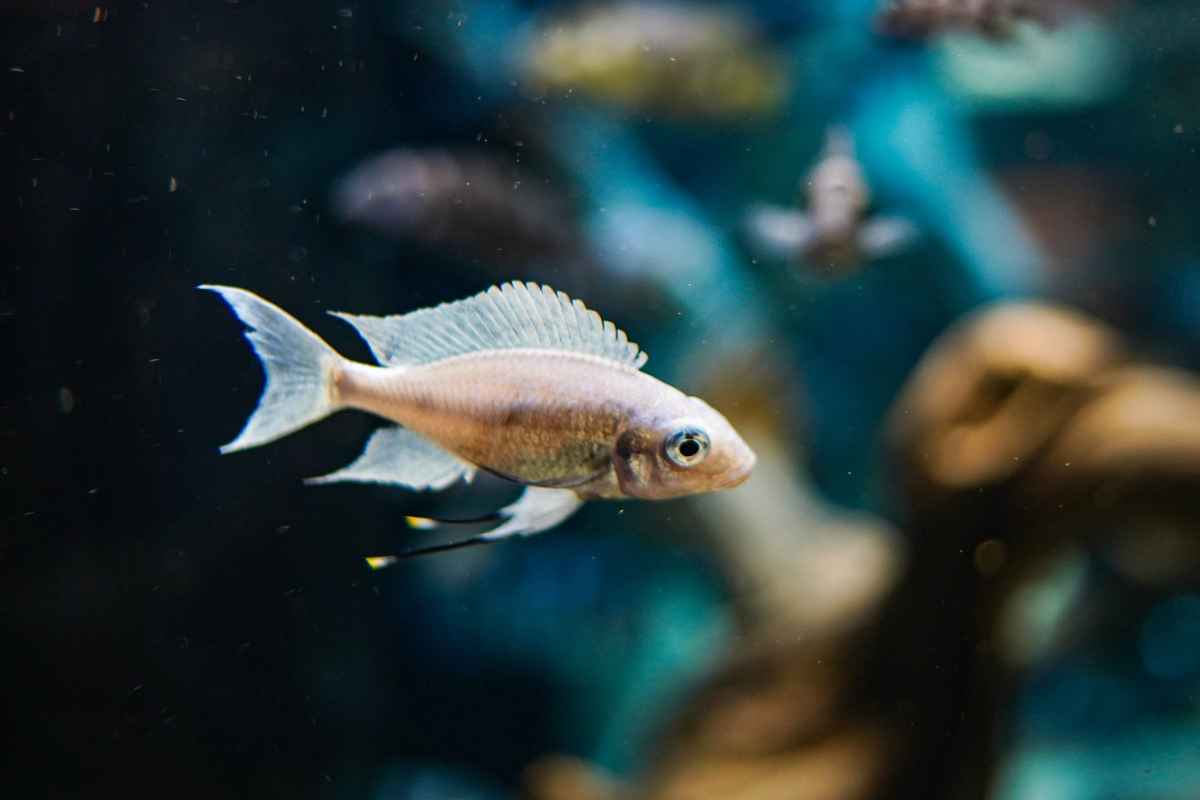
Father Fish's method is based on a biologically balanced tank, meaning that you use natural processes to maintain water quality.
By including plants, microorganisms, and carefully chosen fish, your aquarium will become a self-sustaining ecosystem. This reduces the need for constant cleaning, water changes, or chemical interventions.
Steps to Setting Up Your Low-Maintenance Aquarium
Creating an aquarium that requires less maintenance starts with the right setup. Here are some essential steps to get you started:
1. Choose the Right Tank and Equipment
Start with a larger tank if possible, as it’s easier to maintain than a small one. A tank with a capacity of at least 20 gallons is ideal, as it can support a more stable ecosystem. You'll also need the following:
Aquarium filter: Choose a filter that can help maintain water flow but avoid over-filtration, which may strip beneficial bacteria from the tank.
Substrate: Use a nutrient-rich substrate like soil or fine gravel. This will support plant growth and help filter the water naturally.
Lighting: Choose low to moderate lighting that encourages plant growth without promoting algae overgrowth.
2. Incorporate Live Plants
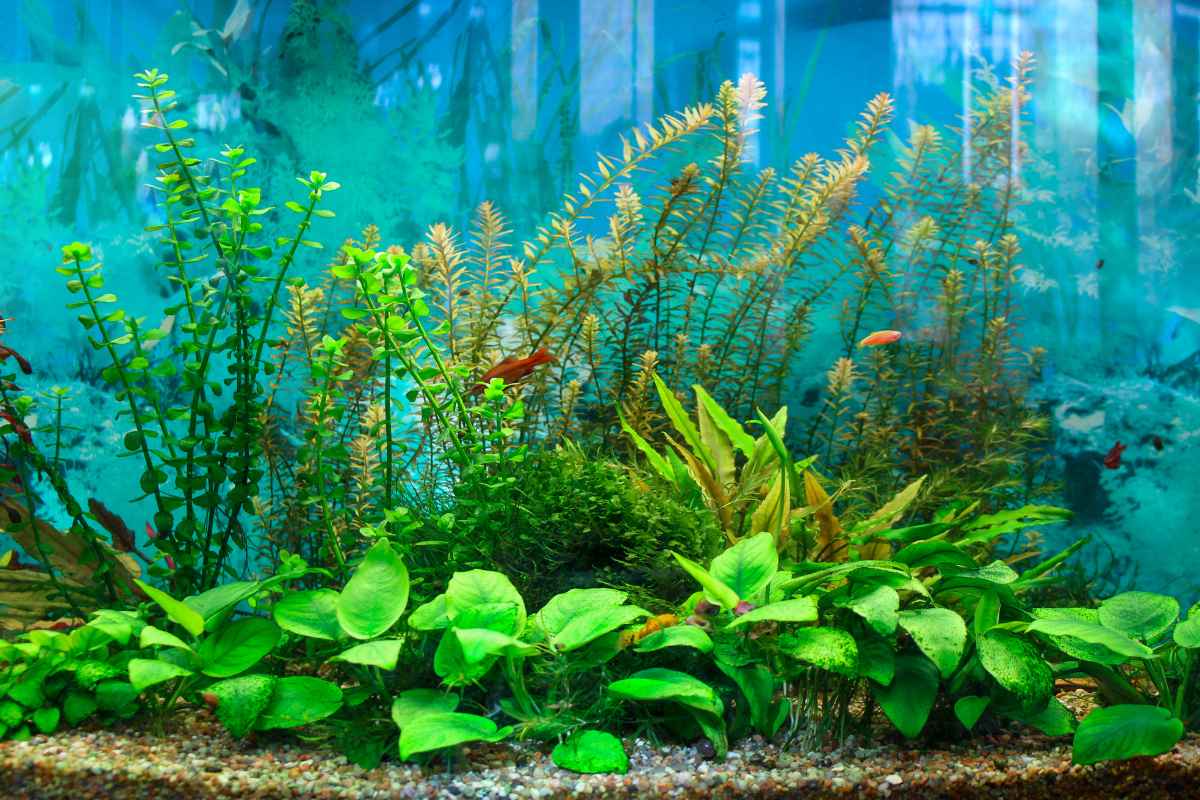
Plants are essential to maintaining balance in your aquarium. They absorb excess nutrients from the water, prevent algae growth, and provide oxygen for fish. Here are a few plant options that work well in a natural aquarium setup:
Java Fern: A hardy plant that thrives in a wide range of conditions.
Anubias: Another low-maintenance plant that can help control algae.
Cryptocoryne: A plant that adapts well to different water conditions.
By including these plants in your tank, you’ll create a living filter that helps absorb nitrates and other harmful chemicals, keeping your water clean and clear.
3. Add a Variety of Microorganisms
Microorganisms play an integral role in maintaining a clean aquarium. Beneficial bacteria help break down waste and keep your water healthy. These tiny organisms convert harmful ammonia and nitrites into nitrates, which are much less toxic.
Consider adding a biofilter or introducing live cultures of beneficial bacteria to your tank. These microorganisms will thrive in a balanced ecosystem and contribute to cleaner water.
4. Select Compatible Fish
Fish are an important part of the ecosystem, but selecting the right species is crucial. Some fish are better suited for maintaining the balance of your tank than others. Here are a few species that fit well into the Father Fish approach:
Guppies: These small, hardy fish are excellent for beginners and help keep algae in check.
Corydoras Catfish: These fish scavenge leftover food and help maintain the substrate clean.
Otocinclus: Known for their algae-eating abilities, these fish keep your tank free from unwanted green growth.
Avoid overcrowding the tank, as this can lead to water quality issues. Make sure the fish you select are compatible with each other and suited to the size and temperature of your aquarium.
5. Add a Deep Substrate Layer
One of the key components of a Father Fish-style aquarium is a deep substrate layer (at least 2-3 inches). This layer serves several important purposes:
Aids plant root growth: Plants need a stable base to grow and absorb nutrients.
Provides a habitat for beneficial bacteria: These bacteria help break down waste.
Enhances filtration: A deep substrate helps filter out debris and excess nutrients, preventing them from affecting water quality.
Ongoing Maintenance: Keep It Simple
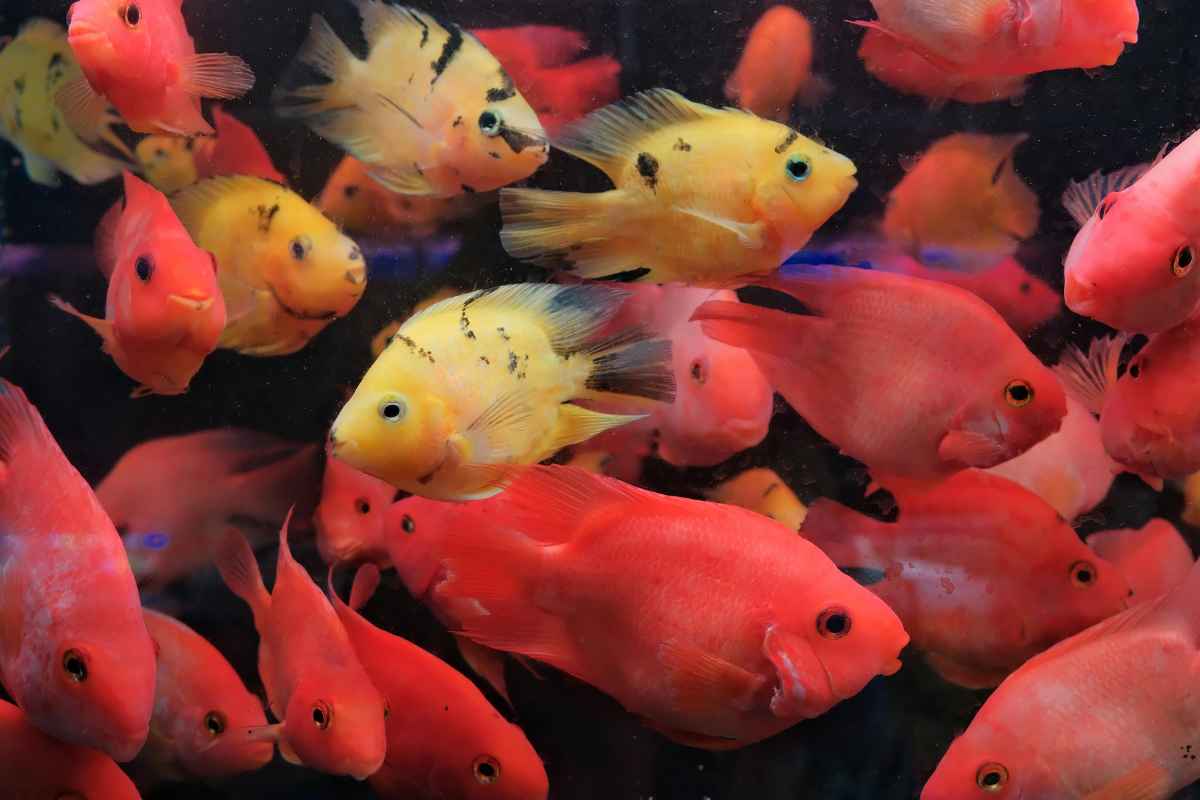
Once your tank is set up, the goal is to minimize the need for ongoing maintenance. Here are some simple tips to keep your aquarium clean without much effort:
1. Regular Water Testing
While you won’t need to perform water changes as often, it’s still important to regularly test for ammonia, nitrites, and nitrates to ensure the ecosystem is in balance. Keep an eye on pH levels, temperature, and hardness as well.
2. Trim Plants Regularly
Overgrown plants can block light and reduce oxygen levels in the tank. Regular trimming ensures that plants stay healthy and continue to absorb nutrients efficiently.
3. Clean the Tank Surface Occasionally
While the deep substrate and plants will do most of the work, it’s still important to clean the tank’s glass or acrylic surface to prevent algae build-up. Use an aquarium-safe scrubber to wipe the glass when needed.
4. Feed Fish Properly
Overfeeding can lead to excess waste, which compromises water quality. Feed your fish small amounts of food that they can consume in a few minutes. Remove any uneaten food promptly.
Why This Approach Works
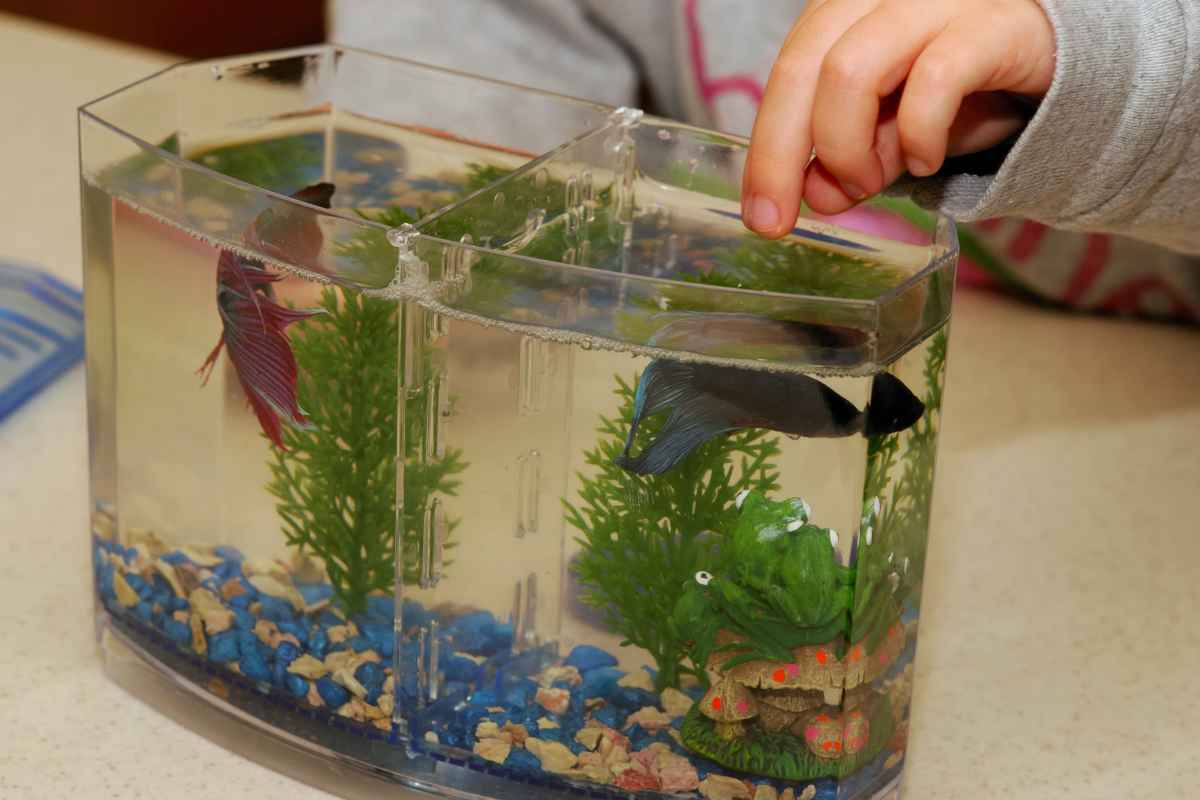
Father Fish’s low-maintenance aquarium setup works because it creates a balanced ecosystem that thrives on natural processes.
Plants, fish, bacteria, and microorganisms all play a part in maintaining water quality, reducing the need for manual cleaning.
By letting nature do the work for you, your aquarium can become a beautiful, self-sustaining environment.
It will require minimal effort and maintenance on your part, leaving you more time to enjoy watching your fish and plants thrive.
Conclusion: A Cleaner, Healthier Aquarium with Less Effort
Creating a low-maintenance, naturally clean aquarium may take some time to set up, but the results are well worth the effort.
By focusing on natural balance, using plants, beneficial bacteria, and compatible fish, your tank will stay clean, clear, and healthy with minimal intervention.
Remember, a clean aquarium doesn’t have to be a hassle. With the right setup and a little patience, you can enjoy the beauty of your fish and plants while keeping the tank naturally pristine.
So, go ahead and give it a try – your fish will thank you!
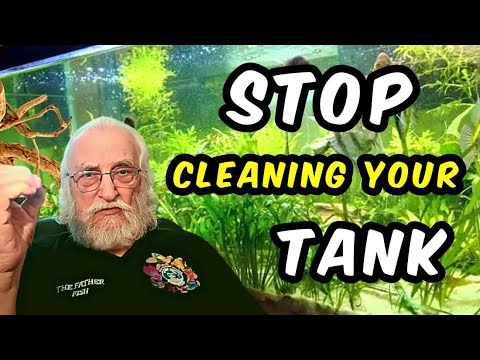
Source: Father Fish
Did you find this post useful or inspiring? Save THIS PIN to your Pets Board on Pinterest!

You may also like