
The Truth Behind Betta Fish Care: Debunking 5 Common Beliefs


Betta fish, also known as Siamese fighting fish, are one of the most popular aquarium pets due to their vibrant colors and captivating personalities.
However, many new fish owners are often misled by common myths surrounding their care.
In this article, we will debunk 5 widespread myths about Betta fish care and provide you with the correct information to ensure your Betta lives a long, happy, and healthy life.
Betta Fish Can Live in Small Bowls

One of the most common misconceptions is that Betta fish can thrive in tiny bowls or vases.
While it might seem cute to keep a Betta in a small bowl, this is actually harmful to the fish.
Betta fish need a minimum of 2.5 gallons of water to swim freely and maintain their health.
A small bowl restricts their movement, increases stress, and can lead to poor water quality.
According to aquatic experts, a larger tank provides better water filtration, which is essential for the fish’s well-being.
Betta Fish Are Low-Maintenance Pets
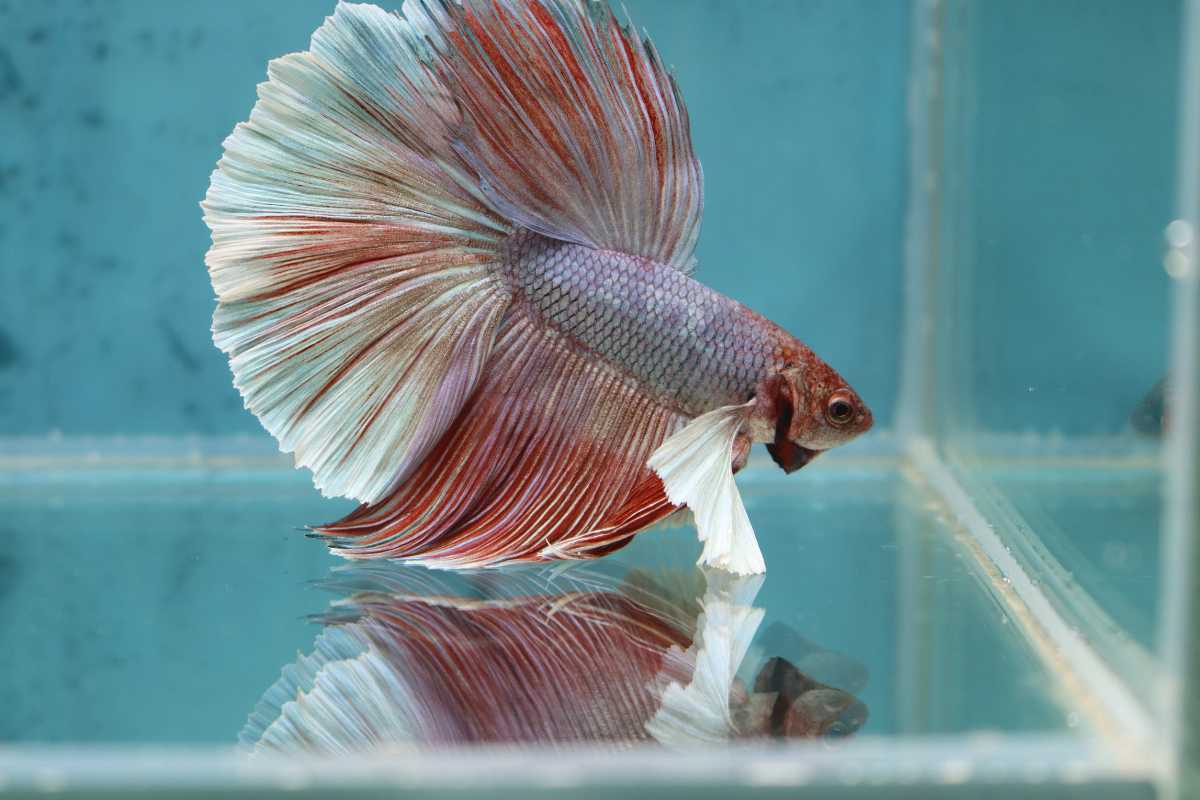
Many believe that Betta fish are extremely low-maintenance and require little attention.
While they are hardy fish, they still require proper water conditions to thrive. Betta fish need clean water with a stable temperature between 76-82°F (24-28°C).
You will also need to change the water regularly to avoid the buildup of harmful toxins like ammonia.
Moreover, a proper filtration system is essential to maintain water quality, as Betta fish are sensitive to polluted water.
Betta Fish Don’t Need a Heater
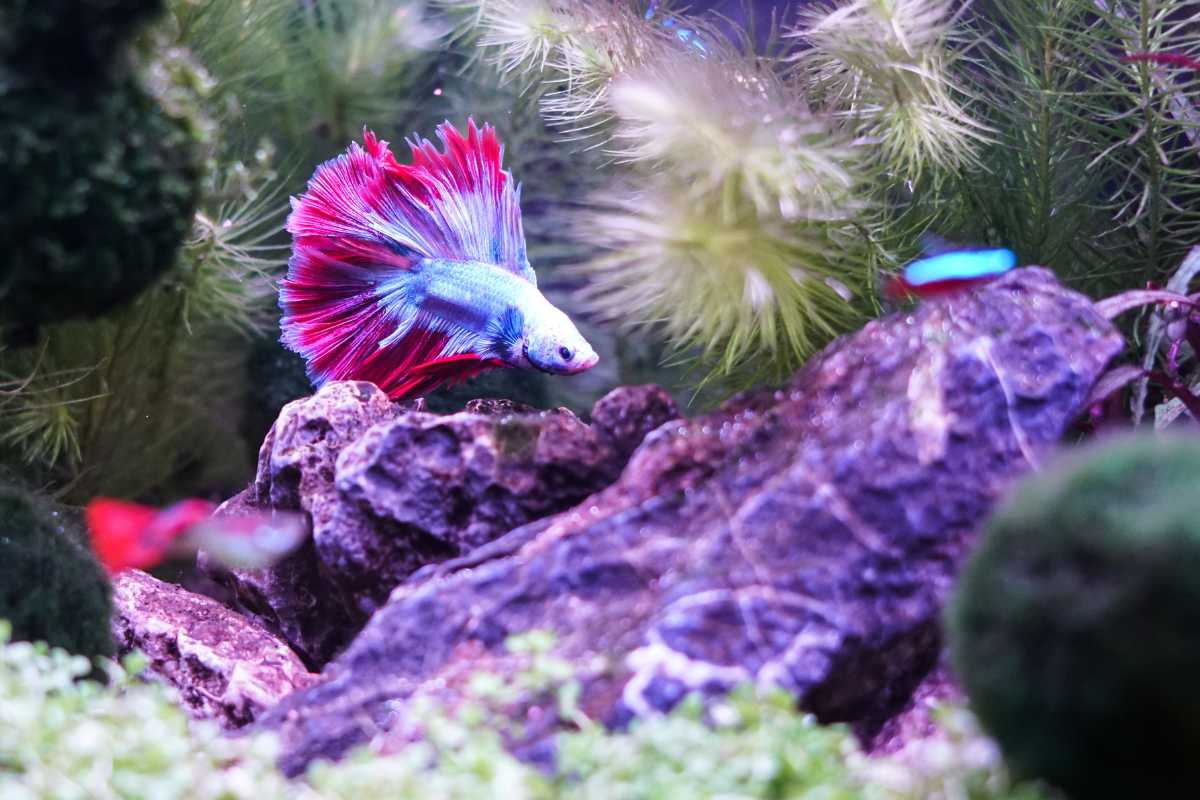
While Betta fish are tropical fish, they require a heater to maintain the proper temperature range.
Betta fish are native to warm, stagnant waters in Southeast Asia, and temperatures below 76°F (24°C) can cause them to become lethargic, stressed, or even ill.
Inconsistent temperature fluctuations can lead to weak immune systems, making them more susceptible to diseases. Investing in a quality aquarium heater will ensure a stable environment for your Betta.
Betta Fish Can Live Alone in Any Aquarium

While Betta fish are often kept individually due to their aggressive nature, they still need stimulation and enrichment.
A Betta’s environment should include plants, caves, and decorations to keep them mentally and physically active.
Avoid overcrowding the tank with other species, as Betta fish are territorial and can become aggressive towards other males or similarly shaped fish.
It's essential to provide plenty of hiding spots for your Betta to feel secure.
Betta Fish Can Live Without Filtration
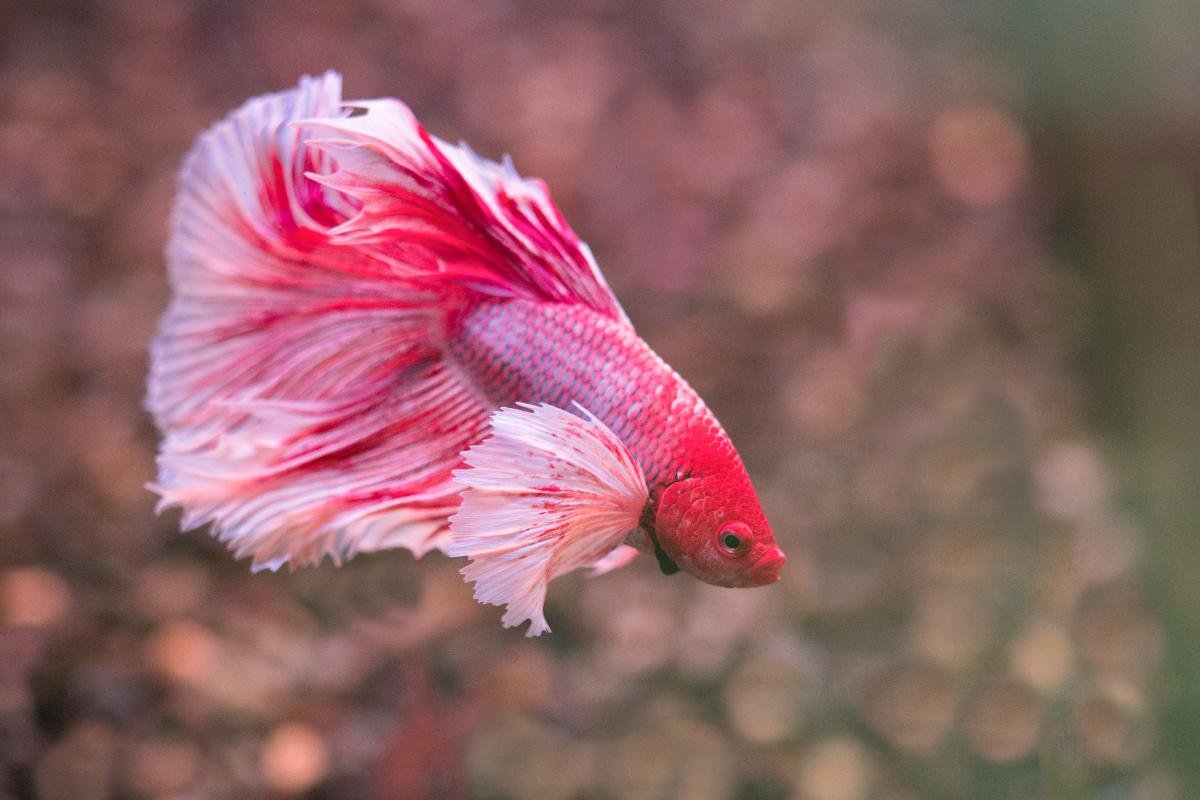
Some Betta owners think that Betta fish don’t need a filtration system, especially when kept in small tanks.
However, filtration is crucial for maintaining healthy water conditions. While Betta fish can survive in still water, it doesn’t mean they thrive.
A proper filtration system helps to remove harmful substances like ammonia and nitrites, providing cleaner and healthier water for your Betta to live in.
Regular water changes are still necessary, but a filter will make the maintenance much easier.
Expert Tips for Betta Fish Care
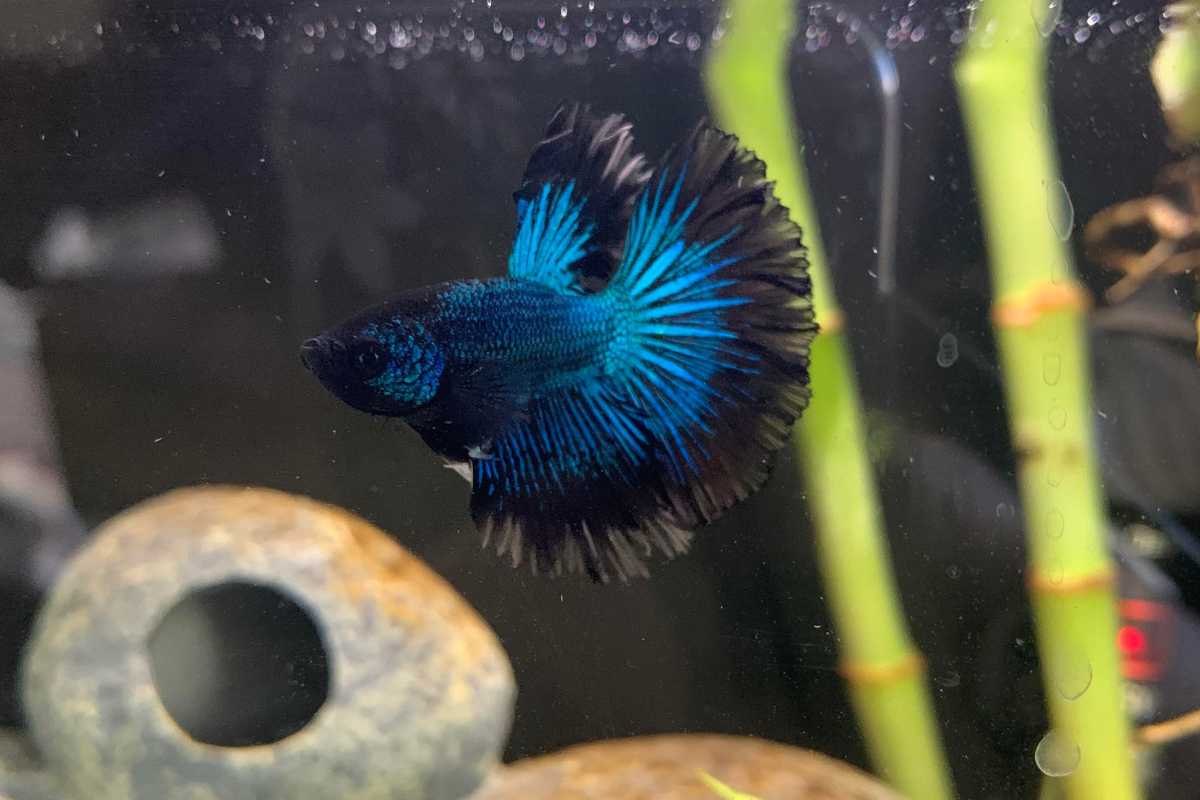
Now that we’ve debunked these common myths, let’s look at some essential care tips to keep your Betta healthy and happy:
Water quality: Always check the water's pH level and hardness. Betta fish prefer water that is slightly acidic to neutral (pH 6.5-7.5).
Feeding: Betta fish should be fed a balanced diet that includes high-quality Betta pellets or frozen/live foods such as brine shrimp or bloodworms.
Tank mates: If you plan on adding other fish, make sure to choose species that are non-aggressive and won't provoke your Betta.
Betta Fish Care: Ensuring a Healthy and Happy Life
Debunking these myths helps set the record straight about Betta fish care.
By providing the right environment, proper food, and regular maintenance, you can ensure that your Betta fish lives a long, healthy, and vibrant life.
Remember, Betta fish are more than just colorful ornaments in your tank; they are living creatures that deserve the best care possible.
We hope you enjoy this video about Fishes

Source: Taylor Nicole Dean
Did you find this post useful or inspiring? Save THIS PIN to your Pets Board on Pinterest!

You may also like