
These 5 Easy House Plants Filter Your Aquarium!


Keeping nitrate levels under control is one of the biggest challenges in home aquariums.
Alongside regular water changes and a properly sized filter, you can use emersed houseplants—plants with roots in the water and leaves above the surface—to soak up excess nutrients and support clearer, healthier water.
This guide explains how the method works, how to set it up safely, and which easy houseplants perform best, so you can try it with confidence.
How It Works (and What It Doesn’t Do)

Emersed houseplants act like natural nutrient sponges.
Their fast-growing roots pull up nitrates and phosphates produced by fish waste and leftover food, which can help stabilize water quality between water changes. Think of them as biological helpers that complement your filtration system.
What they don’t do is replace a filter or eliminate routine maintenance.
Houseplants outside the water do not “oxygenate” the tank the way submerged aquatic plants do; gas exchange primarily happens at the water surface and via aeration.
Use emersed plants as a supplement, not a substitute, and you’ll see the best results.
Safety First: Freshwater Only and Clean Starts

Use this method only in freshwater aquariums. Avoid plants treated with pesticides or leaf-shine products.
Before adding any cutting or potted plant, rinse stems and roots thoroughly, remove any soil from roots, and ideally quarantine the cutting in a jar of clean water for a few days, changing the water daily.
Keep leaves and stems above the waterline—only the roots should be submerged—to prevent rot and melt.
Finally, remember that some fish (for example, goldfish and certain cichlids) may nibble on or pull at exposed roots; monitor and adjust placement accordingly.
How to Set Up Emersed Houseplants (Step by Step)

Choose a placement. Popular options include tucking roots into a hang-on-back (HOB) filter, suspending cuttings from the tank rim with plant clips or a floating ring, or sitting a small planter cup at the rim so roots dangle into the water or sump.
Remove potting media. If your plant comes potted, gently rinse away all soil until you see clean, white roots. Soil in the tank can cloud water and release unwanted nutrients.
Set root depth. Aim for 2–6 inches of roots in the water with good flow around them. Too little flow can lead to brown, mushy roots; too much can stress delicate new growth.
Light and photoperiod. Most houseplants here prefer bright, indirect light near a window or under a clip-on LED. Start with 8–10 hours daily. If leaves pale or stretch, bump up intensity gradually.
Water parameters. These plants are flexible, but they do well around pH 6.5–7.8 with moderate hardness. Sudden swings can stress both fish and roots.
Secure and tidy. Use suction cups, rim clips, or zip ties to keep stems steady. Trim roots as they thicken so they don’t jam the filter impeller or restrict flow.
Start small and measure. Try one or two cuttings at first. Track nitrate (NO₃⁻) with a reliable test kit to see how your tank responds.
Best Easy Houseplants for the Job
Pothos (Epipremnum aureum)
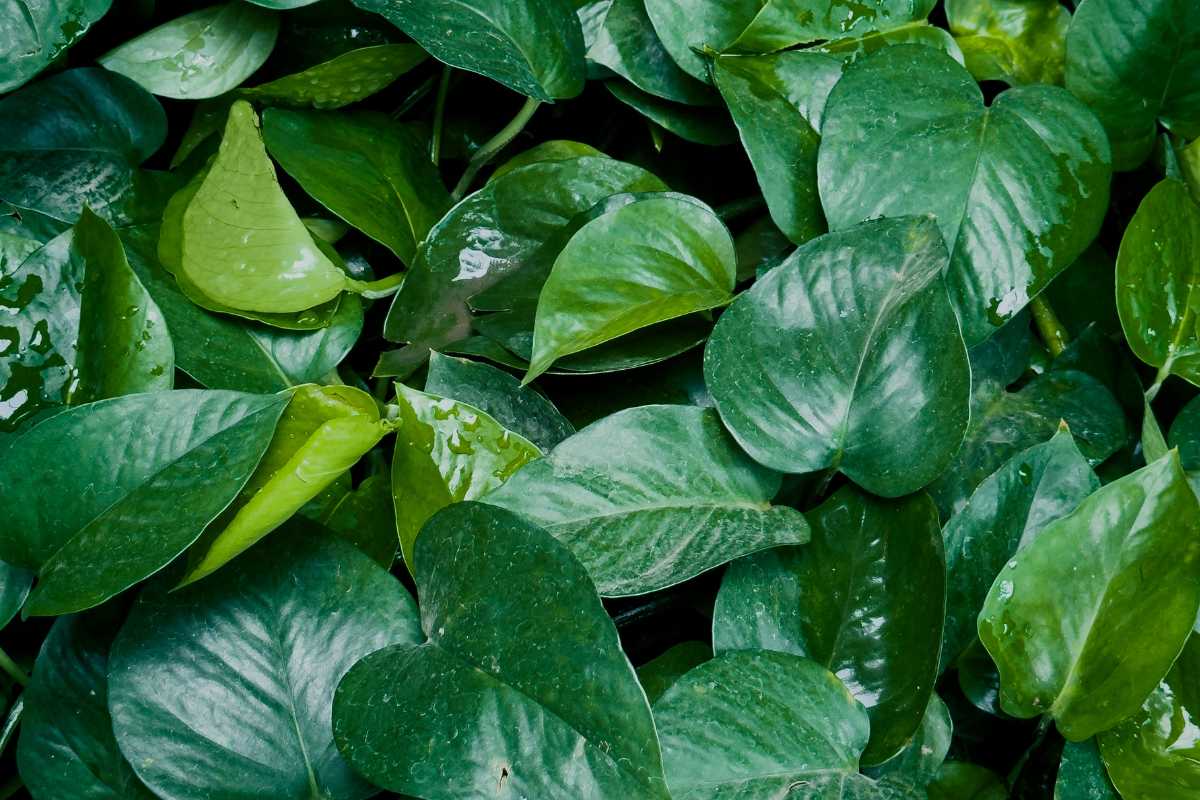
Famous for “pothos in the aquarium filter,” this vine is a powerhouse at nitrate uptake and thrives with roots in moving water.
It tolerates a wide range of light, grows quickly, and bounces back from trimming. Keep all leaves above water; only the root system should be submerged. Tip: train vines along the wall for a living, decorative backdrop.
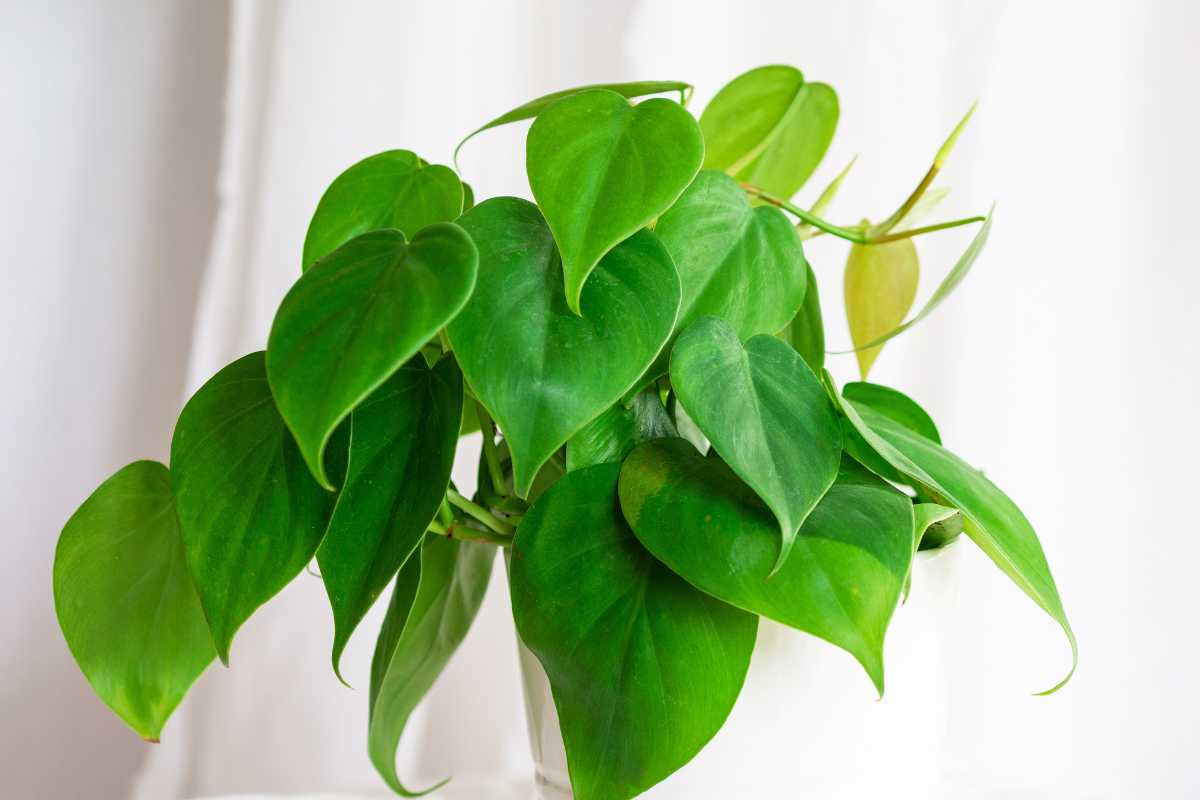
Heartleaf Philodendron (Philodendron hederaceum)
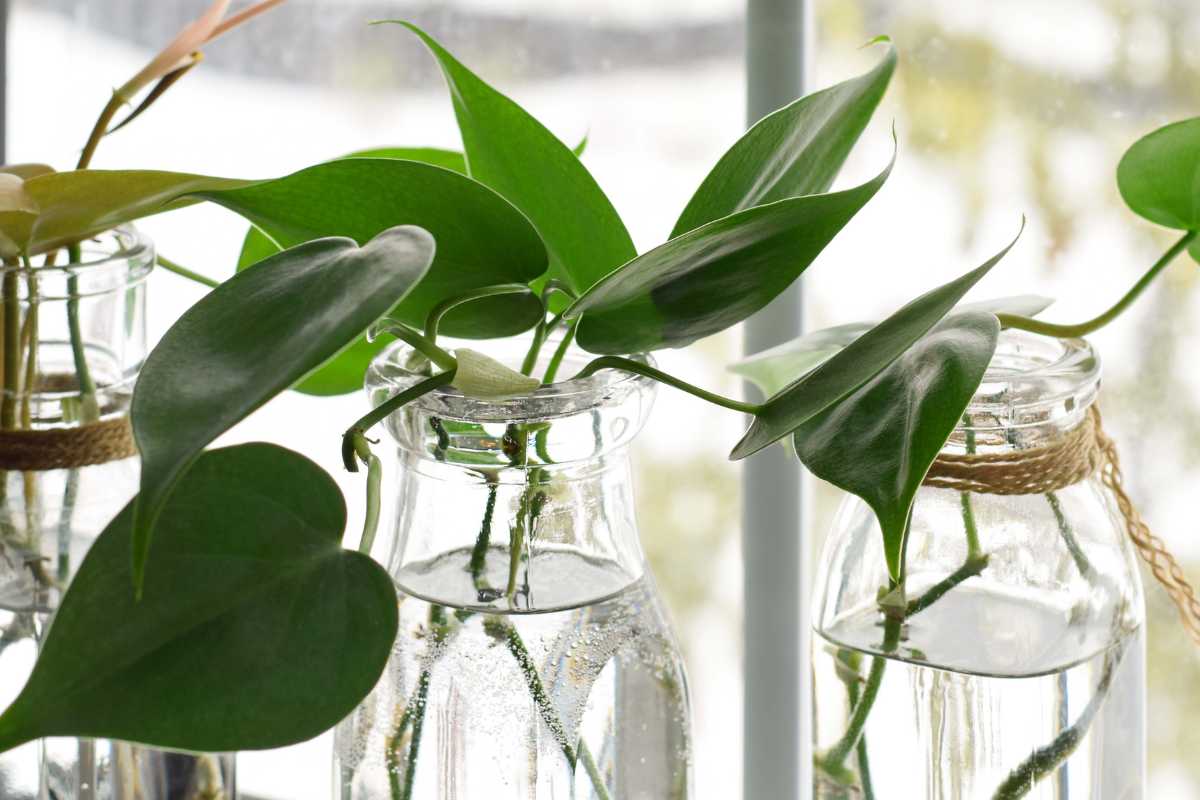
Similar to pothos in habit and hardiness, philodendron offers fast growth and reliable nutrient absorption. It prefers indirect light and steady moisture at the roots.
If leaves yellow, increase light slightly or supplement trace elements in your fish’s diet to support greener growth (never dose houseplant fertilizer directly into the tank).
Spider Plant (Chlorophytum comosum)
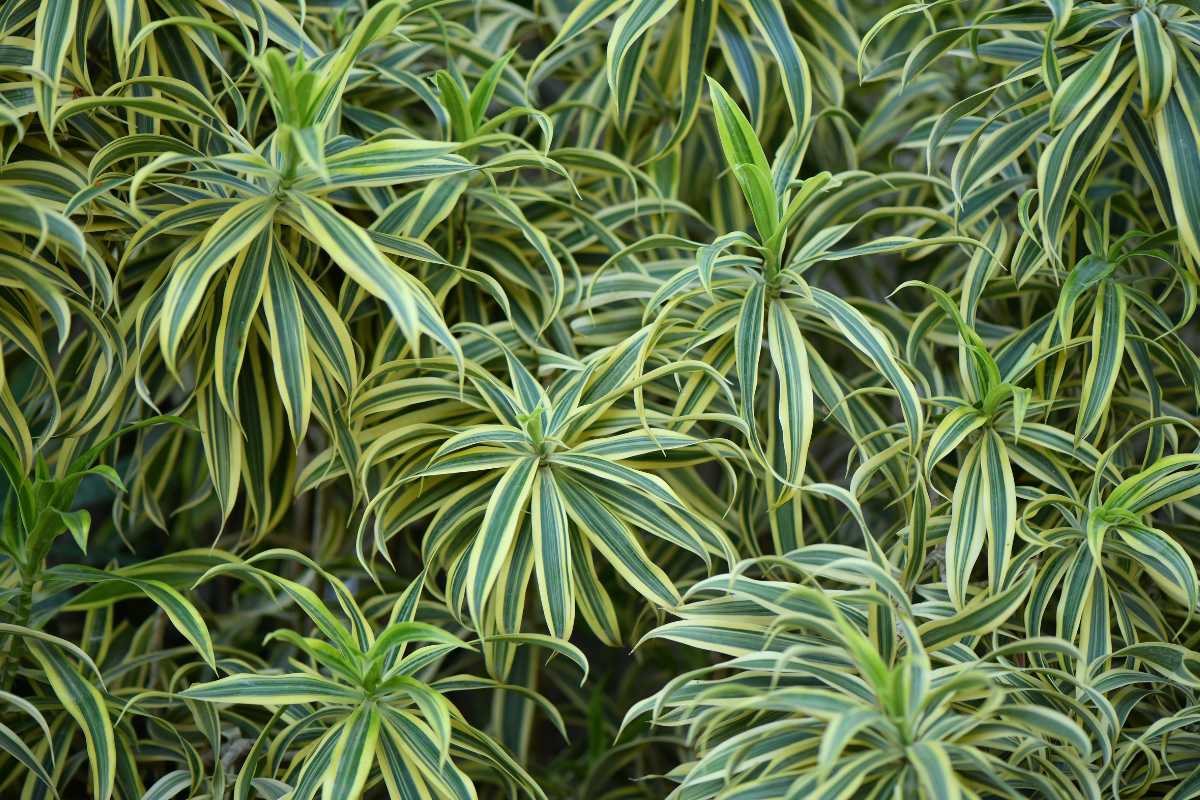
Spider plant pups root rapidly in water and create a dense root curtain that’s great at trapping fine particles and consuming nutrients.
It appreciates bright, indirect light. Avoid the common myth that it “oxygenates” the aquarium—again, your filter and surface agitation handle oxygen; spider plant helps by consuming nitrates.
Peace Lily (Spathiphyllum spp.)
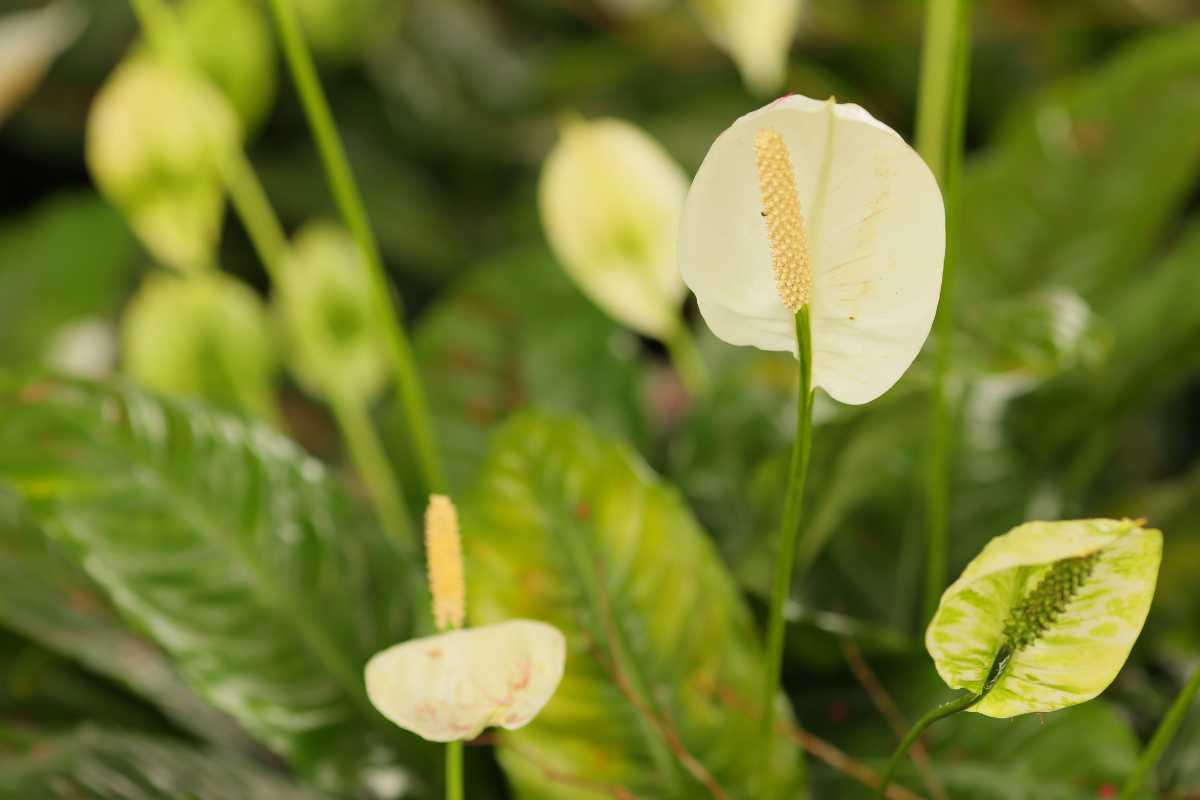
Peace lilies are popular in paludarium-style setups because they handle constant root moisture well.
Provide bright, indirect light for healthy leaves and blooms, and keep crowns and leaves out of the water. Peace lily roots can become thick and woody—trim periodically so they don’t obstruct water flow.
Walking Iris (Neomarica spp.)
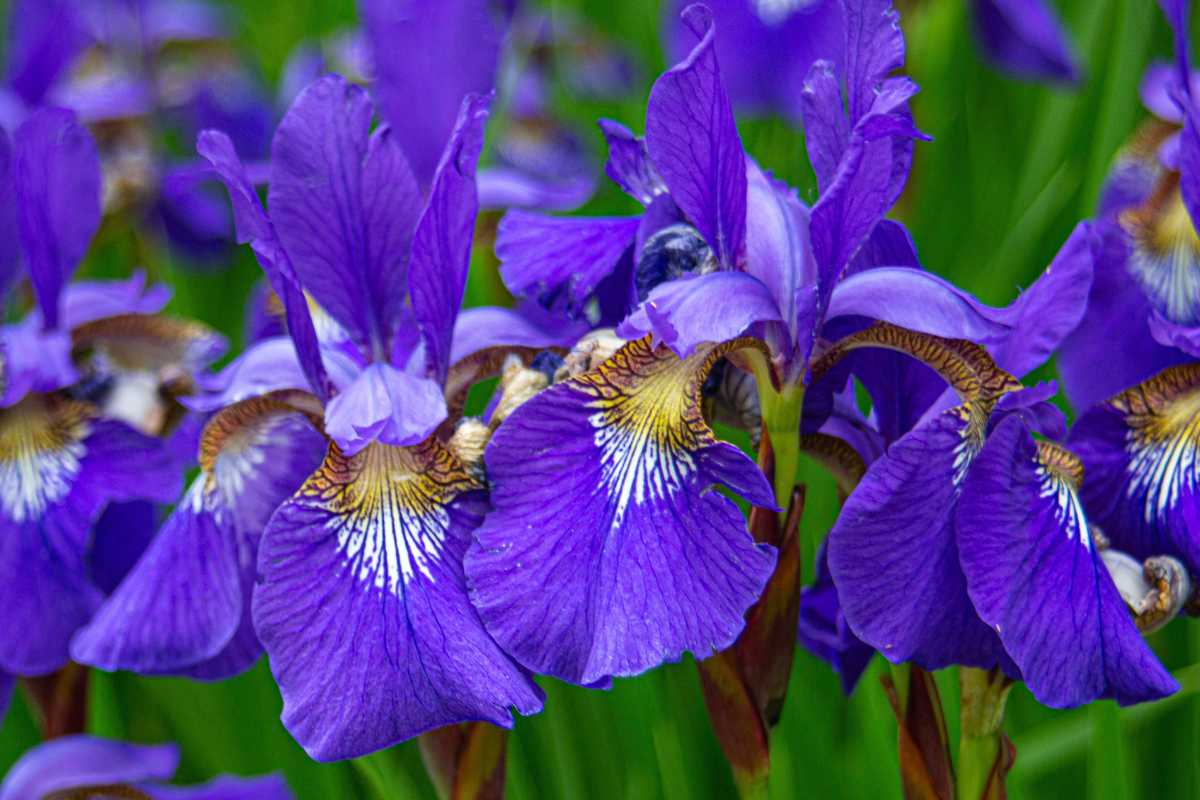
A beautiful, slightly more decorative option. It prefers bright light and steady moisture at the roots.
Growth is moderate compared to pothos or philodendron, but it contributes to nutrient uptake while adding architectural flair above the tank.
Bonus Options: Monstera & Syngonium
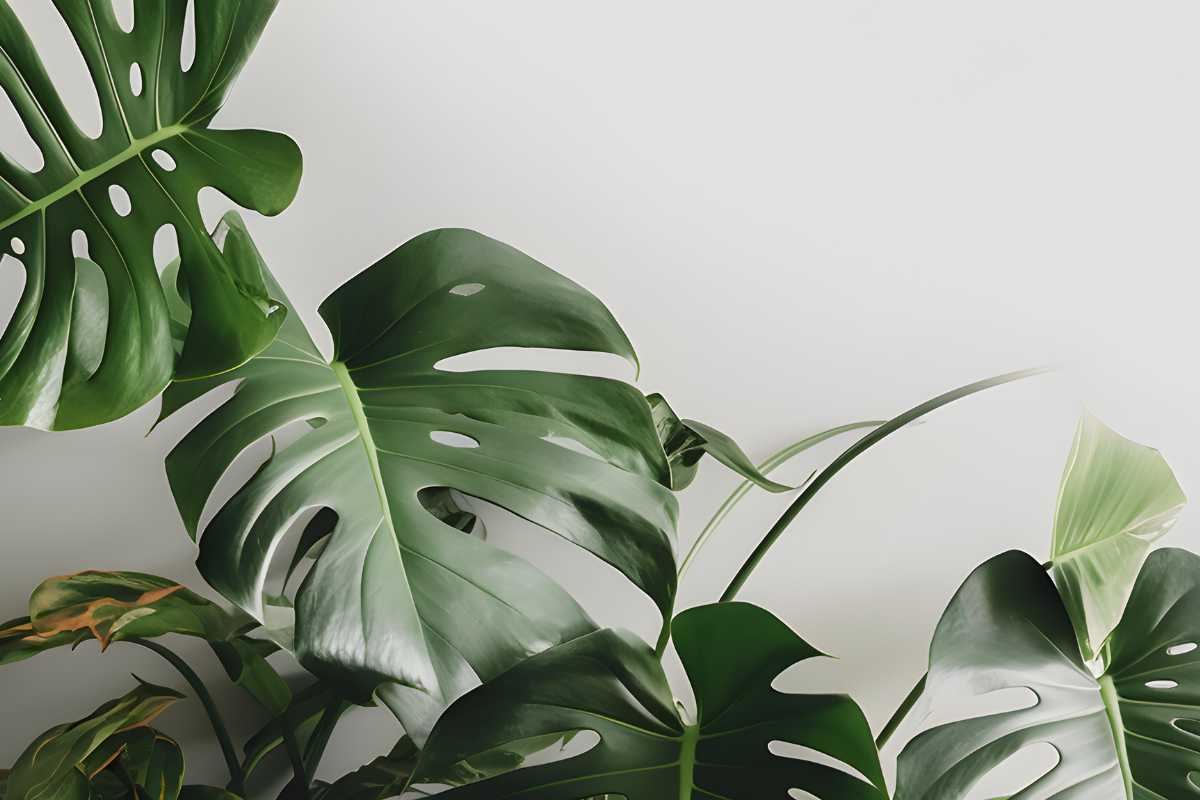
Monstera deliciosa and Syngonium podophyllum both adapt to emersed rooting. They enjoy consistent moisture at the roots and bright, indirect light.
Because their roots can get rope-thick, plan regular trims and solid anchoring so they don’t shift your filter intake or outflow.
Maintenance & Troubleshooting
Root pruning: Every 2–4 weeks, check root mass. If roots darken or feel slimy, trim back to firm, white tissue and improve flow.
Leaf health: Chlorosis (yellowing) often signals low light or imbalanced nutrients in the fish diet; slightly increase light duration or quality and ensure a varied, high-quality feed.
Rot prevention: Leaves that slip below the surface can melt. Reposition stems so foliage remains dry and airy.
Filter care: Roots can creep toward impellers. Install a coarse pre-filter sponge over intakes and keep the impeller chamber clear.
Fish compatibility: Curious fish may chew roots. Add a mesh guard or reposition cuttings to a back chamber/HOB.
Quick Comparison
| Plant (Common) | Light Needs | Growth Rate | Best Placement | Nitrate Uptake* | Root Management | Notes |
|---|---|---|---|---|---|---|
| Pothos | Low–Medium | Fast | HOB / Rim Clips | High | Trim every 2–3 wks | Very forgiving |
| Philodendron | Low–Medium | Fast | HOB / Rim Clips | High | Trim every 2–3 wks | Similar to pothos |
| Spider Plant | Medium–Bright | Medium–Fast | Rim Clips / HOB | Medium–High | Trim monthly | Great with “pups” |
| Peace Lily | Medium–Bright | Medium | Paludarium cup / HOB | Medium | Trim woody roots | Keep crown dry |
| Walking Iris | Bright | Medium | Rim planter | Medium | Trim monthly | Decorative choice |
| Monstera | Medium–Bright | Medium | Rim planter / Sump | Medium | Trim thick roots | Secure well |
| Syngonium | Low–Medium | Medium–Fast | HOB / Rim Clips | Medium–High | Trim monthly | Compact and tidy |
*Relative uptake assumes healthy growth and adequate light.
How to Measure Results (Simple Protocol)
To keep this practical and data-driven, run a two-week check:
Day 0: Test nitrates (NO₃⁻) and note the result. Add your cuttings.
Day 7: Test again at the same time of day. Observe root growth and adjust light or flow if needed.
Day 14: Test once more. If nitrates trend downward or remain stable between water changes, your emersed plants are helping. Aim to keep NO₃⁻ around < 20–40 ppm depending on your stocking and species.
If numbers don’t improve, increase plant biomass (add another pothos cutting), optimize light (a small clip-on LED can make a big difference), and ensure good water movement around roots.
FAQs
Can I submerge the leaves?
No. Keep leaves and stems above water. Only roots should be submerged. Submerged foliage from these houseplants tends to rot.
How many cuttings do I need?
Start with one or two for small tanks (10–20 gallons) and scale up slowly. It’s easy to overdo root mass and restrict flow.
Is this safe for bettas, shrimp, or goldfish?
Yes, with careful placement. Bettas and shrimp generally ignore roots; goldfish may nibble. Use a mesh guard or place roots in a filter compartment.
Do emersed plants replace water changes?
No. They support water quality but don’t replace filtration, aeration, or water changes. Keep your regular maintenance schedule.
Can I fertilize the plants?
Never dose houseplant fertilizer into the aquarium. If growth lags, improve light or place the plant’s crown in a small rim cup with inert media that you can lightly fertilize outside the water, ensuring nothing leaches into the tank.
Smart Interlinking for Next Steps
If you’re exploring low-effort improvements, pair this method with beginner-friendly fish and low-maintenance feeding routines to reduce waste.
You might also enjoy guides on aquarium-safe plants, filter maintenance basics, and easy water-testing routines to round out your setup and keep things consistent.
Final Thoughts: Start Small, Track, and Enjoy the Green
When used thoughtfully, emersed houseplants are an elegant, low-cost way to reduce nitrates and add a lush, living accent to your aquarium. Keep roots in moving water, leaves above the surface, and trim regularly.
Start with pothos or philodendron, test NO₃⁻ at day 0, 7, and 14, and let the numbers—and the new growth—show you it’s working.
With a steady routine and a little pruning, you’ll enjoy clearer water, happier fish, and a display that looks as good above the glass as it does below.
Enjoy This Video About Aquarium

Source: KeepingFishSimple
Did you find this post useful or inspiring? Save THIS PIN to your Pets Board on Pinterest!

You may also like