
These Are The Things Crested Geckos Hate


Crested geckos are fascinating and relatively easy to care for, but like all reptiles, they have specific needs and preferences.
Knowing what they dislike is just as important as knowing what they enjoy, as it can help reduce stress and ensure a healthy, happy gecko.
This article will delve into the top things that crested geckos hate and how to avoid them to provide the best possible care for your pet.
The Importance of Understanding What Crested Geckos Dislike
Understanding your gecko's dislikes can make all the difference in maintaining a comfortable and stress-free environment.
Crested geckos are sensitive creatures, and even subtle discomforts can cause anxiety or health issues.
By recognizing the things they hate, you can avoid unnecessary stressors and create a habitat that promotes their well-being.
1. Temperature Extremes: Keep Them Comfortable
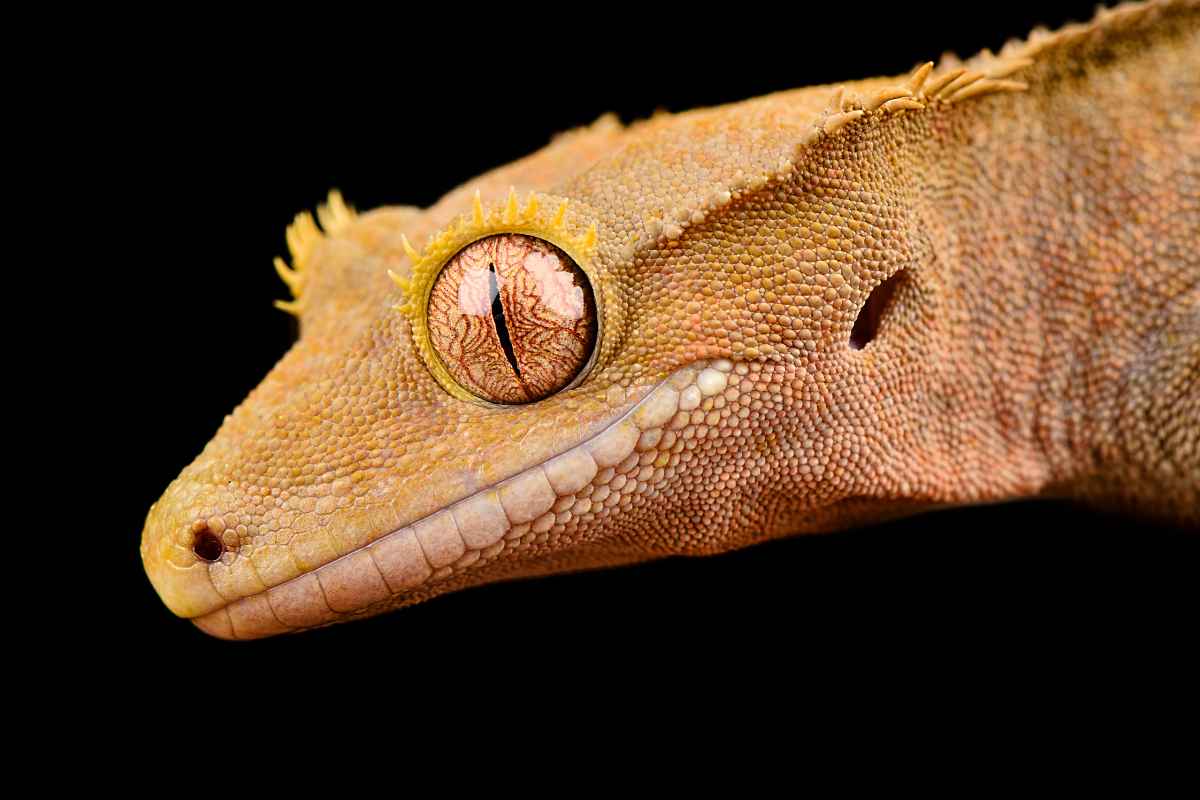
Crested geckos are cold-blooded, meaning they rely on their environment to regulate their body temperature. Extreme temperatures can cause stress and even harm your gecko.
Ideal Temperature Range: During the day, the temperature should be between 22-26°C (72-79°F), while at night, it should drop to 18-22°C (64-72°F).
What They Hate: Overheating or cold drafts can make your gecko feel uncomfortable. Avoid placing the tank near direct heat sources like lamps or in a room with frequent temperature fluctuations.
Make sure to monitor the temperature in the enclosure with a reliable thermometer, and consider using a heat mat or ceramic heat emitter to maintain the right warmth.
2. High or Low Humidity: Maintain the Right Balance
Crested geckos require a humid environment, but they also dislike excessive moisture.
Ideal Humidity Range: The humidity in their enclosure should be between 70-80% during the day, and slightly higher at night.
What They Hate: Dry air can lead to dehydration and shedding issues, while excessively high humidity can cause mold growth and skin problems.
You can maintain the right humidity by misting the enclosure daily and using a humidifier if necessary.
A hygrometer will help you track the humidity levels accurately.
3. Substrate Choices: Choose Wisely
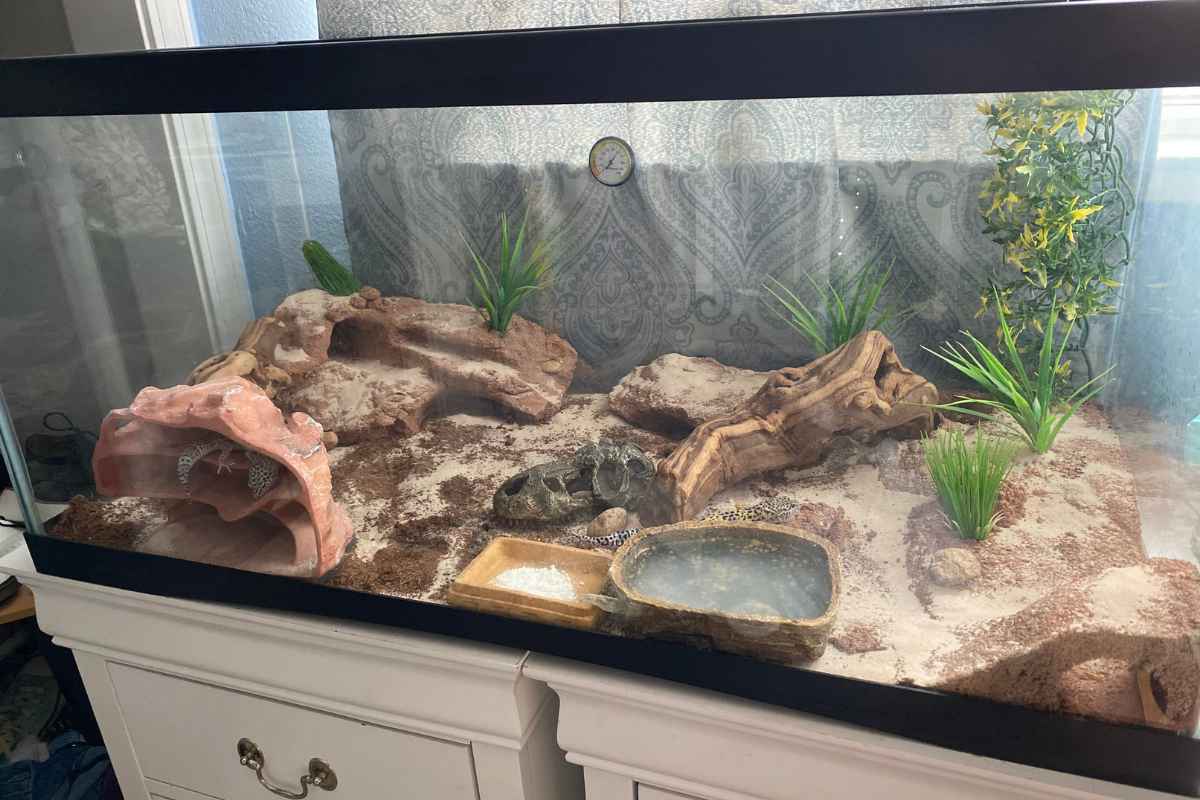
The substrate is an essential part of the enclosure, but crested geckos can be quite sensitive to the wrong materials.
Best Substrate: Choose coconut fiber or sphagnum moss, which retains moisture while allowing good drainage. These materials mimic the natural environment of the gecko.
What They Hate: Avoid using sand or wood shavings, which can cause impaction if ingested and are difficult to clean. Cedar or pine shavings are also toxic to reptiles and should be avoided.
If you're unsure, always opt for natural, organic substrates that are safe for reptiles. This will ensure that your gecko's environment is comfortable and safe.
4. Loud Noises and Sudden Movements: Keep It Calm
Like many reptiles, crested geckos are very sensitive to their surroundings.
Loud noises and sudden movements can cause stress and anxiety.
What They Hate: Loud noises, such as music, vacuum cleaners, or shouting, can startle your gecko and make it feel unsafe. Sudden movements or handling can also stress them out.
To keep your gecko calm, place their tank in a quiet area of the home, away from bustling activity.
Handle your gecko gently and only when necessary, giving them time to adjust to new environments or routines.
5. Improper Lighting: Light Matters
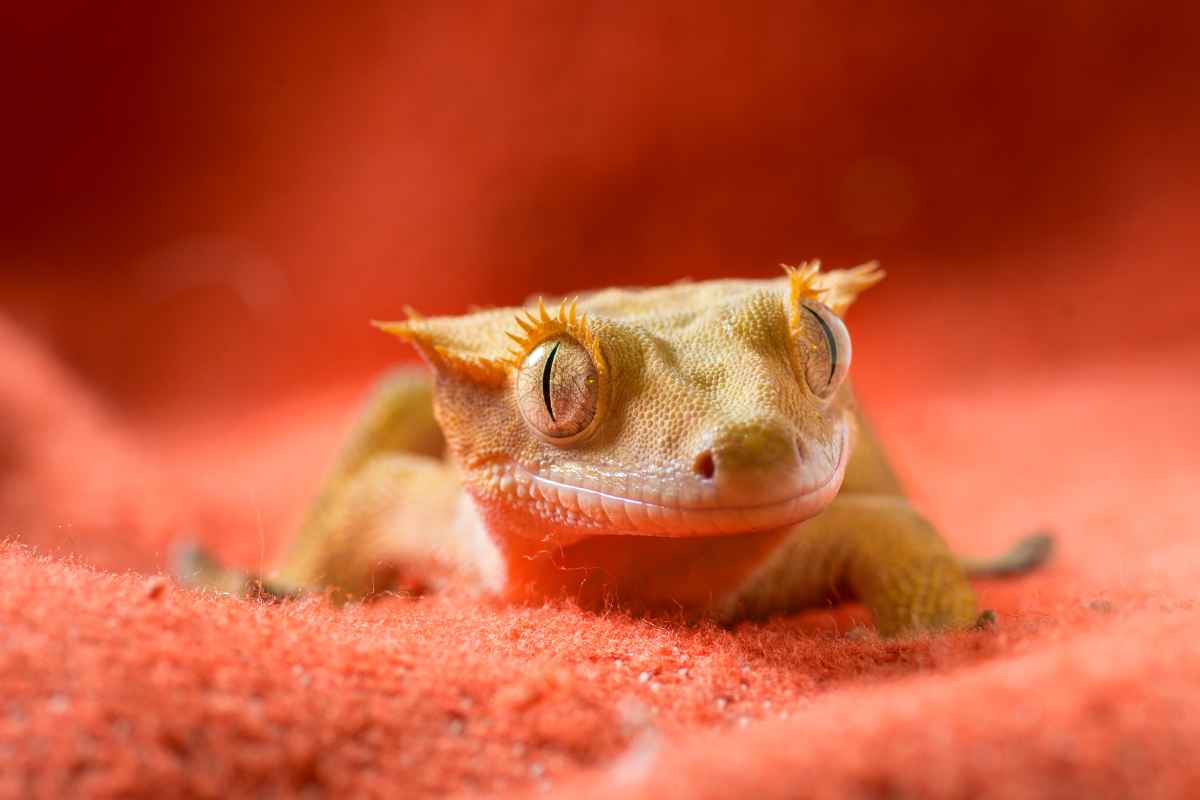
While crested geckos are nocturnal and don't require UVB light like other reptiles, they still need a natural day/night cycle to feel secure.
What They Hate: Constant bright lights or inconsistent lighting can interfere with their sleep patterns and cause stress. Crested geckos need a dark environment at night to rest properly.
Provide a low-wattage bulb for daylight and ensure the tank is in a dimly lit area during the night.
This will help your gecko maintain its natural circadian rhythms.
6. Unstable Environment: Keep Things Consistent
Crested geckos thrive in stable, predictable environments. They hate changes in their habitat, which can cause stress and disorientation.
What They Hate: Frequent redecorating, moving their tank, or introducing new elements without giving them time to adjust can be distressing.
To minimize stress, avoid moving their tank too often or changing the decor too drastically. If you must move things around, do so gradually so your gecko can acclimate.
7. Being Handled Too Much: Respect Their Space
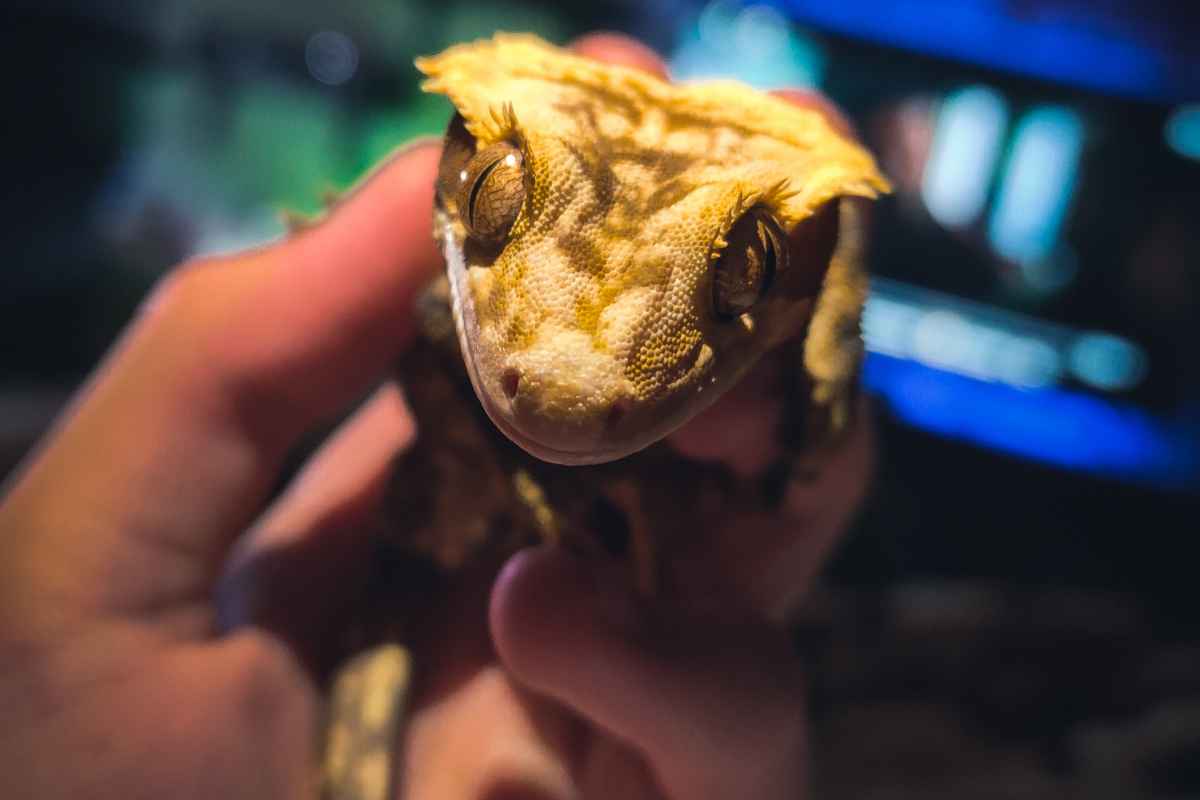
While some crested geckos can enjoy gentle handling, they are not as social as other pets like dogs or cats.
Over-handling can cause them to become stressed.
What They Hate: Excessive handling or being chased can cause your gecko to become defensive or fearful.
Best Practice: Handle your gecko gently and only for short periods. If your gecko shows signs of distress, such as tail whipping or trying to escape, give them space.
Creating a Stress-Free Habitat for Your Crested Gecko
Crested geckos are wonderful pets that can thrive in a well-maintained environment.
By understanding the things they dislike, you can avoid common mistakes and create a habitat that supports their health and happiness.
Remember to maintain the right temperature and humidity, provide a safe and comfortable substrate, and respect their need for a quiet, stable environment.
With proper care, your gecko can live a long, healthy life and be a wonderful companion for years to come.
Enjoy This Video Tutorial About Crested Geckos

Source: Reptilian Garden
Did you find this post useful or inspiring? Save THIS PIN to your Pets Board on Pinterest! 😊

You may also like