
Top 10 Most Popular Pet Bird Breeds


Choosing a pet bird can be a rewarding experience, but with so many species to choose from, it can be hard to know where to start.
In this guide, we’ll introduce you to the 10 most popular pet bird breeds, highlighting their characteristics, care needs, and personalities.
Whether you’re a beginner or an experienced bird owner, this guide will help you make an informed decision on which bird breed is the best fit for you.
What to Consider Before Choosing a Pet Bird
Before diving into the specific breeds, it's important to consider what factors will influence your decision.
Pet birds come in many shapes, sizes, and personalities, and each type of bird requires a different level of care.
The key to choosing the right pet bird is understanding the bird’s needs and ensuring that they align with your lifestyle.
Space requirements: Some birds need large cages and daily out-of-cage time for flying.
Noise level: Birds can be noisy, so choose a breed that suits your living situation.
Personality and interaction: Some birds are more social and need constant attention, while others are more independent.
Lifespan: Birds can live for many years, so you’ll need to commit to long-term care.
With these factors in mind, let’s explore the 10 most popular pet bird breeds and see which one might be the best fit for your home.
1. Parakeet (Budgie): The Friendly and Playful Pet Bird

The parakeet, also known as the budgie, is one of the most popular pet birds due to its vibrant colors, playful nature, and ease of care.
These small, social birds enjoy being around people and can often learn to mimic words and sounds.
Lifespan: 7 to 10 years
Noise Level: Moderate
Care: Parakeets require a spacious cage, fresh water, and a varied diet, including seeds, fruits, and vegetables. They also enjoy toys that encourage mental stimulation.
Interaction: They are highly social and thrive on interaction, so it's best to have at least two if you are away often.
2. Canary: A Colorful Songbird

Canaries are renowned for their beautiful singing abilities and striking colors.
These small birds are often chosen for their lively tunes, which can fill a room with music.
Lifespan: 10 to 15 years
Noise Level: High (song)
Care: Canaries require a larger cage, a balanced diet, and regular time out of their cage for exercise. They thrive in warm environments and need a steady temperature.
Interaction: Canaries are more independent than other birds and may not need as much human interaction, but they still benefit from occasional handling.
3. Lovebird: The Affectionate and Social Companion

Lovebirds are small parrots known for their affectionate nature.
They are often seen as one of the most lovable and friendly pet birds, forming strong bonds with their owners.
Lifespan: 10 to 15 years
Noise Level: High
Care: These birds need a spacious cage, a variety of toys, and daily interaction. Their diet consists of pellets, seeds, and fresh fruits and vegetables.
Interaction: Lovebirds are highly social and need constant interaction to thrive. They enjoy being held and will form a close bond with their human caregivers.
4. Cockatiel: The Easygoing and Charming Bird

Known for their charming crests and distinctive whistles, cockatiels are popular for their sweet demeanor and simple care needs.
They are relatively low-maintenance compared to other parrots and are great for first-time bird owners.
Lifespan: 10 to 15 years
Noise Level: Moderate
Care: Cockatiels are easy to care for, needing a cage that allows for plenty of movement. A balanced diet of seeds, pellets, and fresh veggies is essential.
Interaction: While they enjoy social interaction, they are also content to entertain themselves. However, they thrive with regular attention from their owners.
5. African Grey Parrot: The Intelligent Talker

African Grey parrots are known for their high intelligence and incredible ability to mimic human speech.
These birds are often considered the smartest pet birds and require dedicated care and mental stimulation.
Lifespan: 50 to 60 years
Noise Level: High
Care: African Greys need a large cage, a nutritious diet rich in fruits, vegetables, and high-quality pellets, and plenty of mental challenges like puzzle toys and training sessions.
Interaction: They form strong bonds with their owners and thrive on interaction. They need constant mental stimulation to prevent boredom.
6. Macaw: The Vibrant and Majestic Parrot

Macaws are large, colorful parrots that stand out for their impressive size and vibrant plumage.
They are incredibly social and require a lot of care, making them suitable for experienced bird owners.
Lifespan: 50 to 60 years
Noise Level: Very high
Care: Macaws require a spacious cage, regular out-of-cage time, and a diet consisting of fresh fruits, vegetables, and nuts.
Interaction: These birds need plenty of attention and interaction. They are affectionate and enjoy physical contact, but they can become destructive if not properly trained.
7. Conure: The Playful and Colorful Parrot

Conures are small to medium-sized parrots known for their vibrant colors and playful personalities.
They are social birds that enjoy being around people and can be quite affectionate with their owners.
Lifespan: 20 to 30 years
Noise Level: High
Care: Conures require a spacious cage, a diet rich in fresh fruits, vegetables, and pellets, and plenty of toys to keep them entertained.
Interaction: These birds are very social and need constant interaction. They are known to form strong bonds with their human caregivers.
8. Budgerigar (Budgie): The Mini Parrot

The budgerigar is often referred to as a mini parrot due to its size and personality.
These small birds are great for beginners, offering a fun and easy-going companion that loves to chat.
Lifespan: 5 to 10 years
Noise Level: Moderate
Care: Budgies require a proper cage with room to fly and an enriched environment with toys and social interaction.
Interaction: Budgies love human companionship and can learn to mimic sounds and words, which makes them a fun pet to have.
9. Quaker Parrot: The Chatty and Intelligent Bird
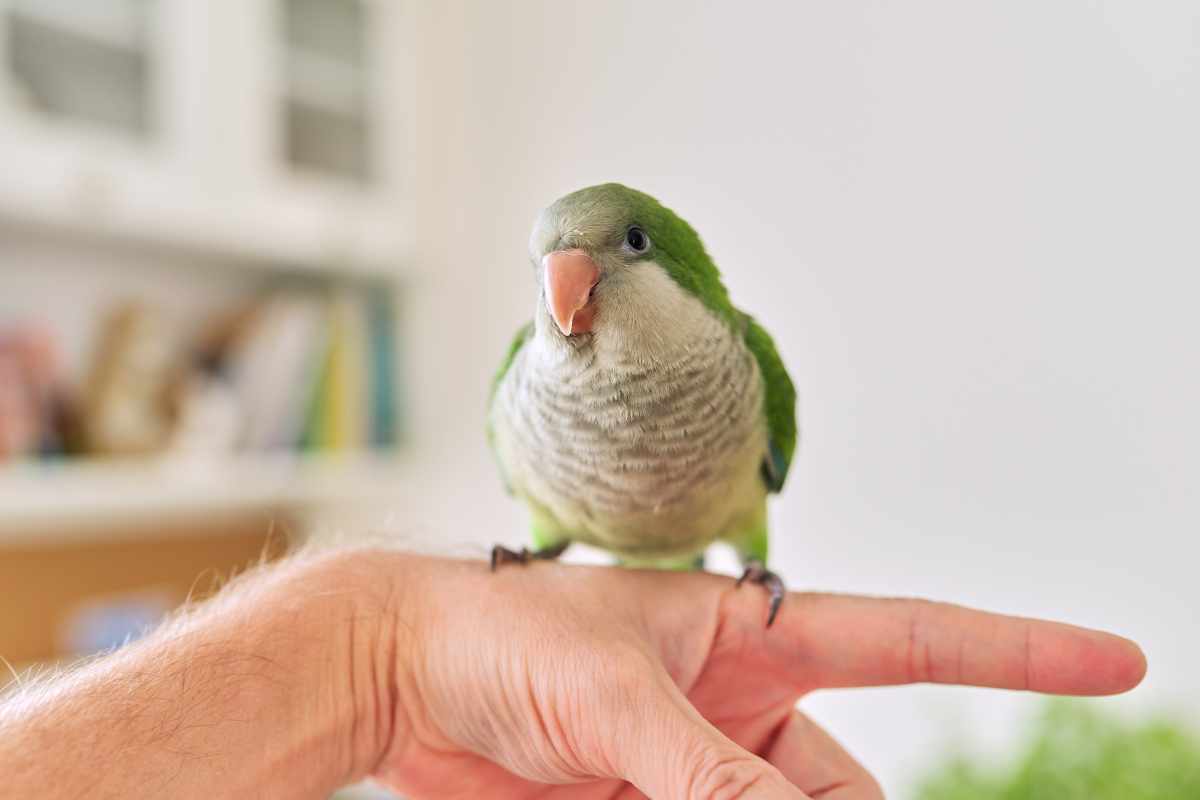
Quaker parrots, also known as monk parakeets, are social, intelligent, and highly vocal.
They are famous for their talking abilities and charming personalities.
Lifespan: 20 to 30 years
Noise Level: High
Care: Quakers require a large cage and a well-rounded diet that includes seeds, pellets, and fresh vegetables.
Interaction: Quakers thrive on interaction and need constant attention. They are known to bond strongly with their owners and are excellent mimics.
10. Cockatoo: The Affectionate and Attention-Seeking Parrot

Cockatoos are large parrots with distinctive crests and a penchant for showing affection.
Known for their playful nature, these birds are highly social and require a lot of care and attention.
Lifespan: 40 to 60 years
Noise Level: Very high
Care: Cockatoos need a large cage, plenty of toys, and a diet consisting of high-quality pellets, fruits, and vegetables.
Interaction: These birds crave attention and will often demand affection from their owners. They form very strong bonds with their humans.
Final Thoughts: Choosing the Right Bird for You
Selecting a pet bird is a big decision that requires thoughtful consideration. Each bird breed has its own unique care needs, personality traits, and requirements for interaction.
By understanding these characteristics and evaluating your lifestyle, you can choose a pet bird that fits your home and your personality.
Remember to provide your bird with the care and attention it deserves, and you’ll enjoy a happy, healthy companion for many years to come.
Enjoy This Video Tutorial About Birds

Source: animal fun facts
Did you find this post useful or inspiring? Save THIS PIN to your Pets Board on Pinterest!

You may also like