
- Urbaki Pets
- Reptiles
- Top 5 Easy Handling Reptiles
Top 5 Easy Handling Reptiles

08/05/2024 · Updated on: 01/10/2025

Choosing your first reptile is exciting—but a great experience starts with realistic expectations, gentle handling habits, and habitats that meet each species’ needs.
This guide highlights easy-to-handle reptiles that typically suit beginners while explaining the essentials: UVB lighting, safe temperatures, humidity targets, diet basics, and stress-free handling.
You’ll also find a quick chooser, a comparison checklist woven into each section, and practical tips to keep both you and your new companion happy.
Start Here: Pick a Pet That Fits Your Lifestyle
Before falling for a cute face, match species to how you live:
Prefer short daily interactions and minimal smell? A corn snake in a secure enclosure is tidy and calm.
Want a curious, more interactive lizard? A bearded dragon or blue-tongue skink may suit you—just plan for larger habitats and higher energy needs.
Limited space and insects don’t bother you? A leopard gecko is compact and relatively simple.
Dream of a long-lived, mostly hands-off herbivore? Consider a Russian tortoise, provided you can offer generous floor space.
Care Foundations Every Beginner Should Know

UVB, Heat, and Humidity—The Big Three
Most reptiles benefit from UVB lighting to support healthy calcium metabolism and overall wellbeing. Aim for a UV index gradient so the animal can choose its comfort zone: a brighter basking area and shaded retreats.
Pair UVB with accurate temperature gradients (warm on one side, cooler on the other) and monitor with digital thermometers and a thermostat where appropriate.
Finally, meet the species’ humidity needs and provide a humid hide or extra moisture during shedding if required.
Handling Habits That Build Trust
Even “docile” reptiles don’t usually “enjoy” handling the way mammals might, but many tolerate handling well if you go slow. Support the body fully, avoid sudden movements, limit sessions at first, and end on a calm note.
Learn stress signals—rapid breathing, trying to flee, huffing, tail twitching, or defensive postures—and pause if you see them.
Health, Safety, and Biosecurity
Practice good hygiene (wash hands before and after handling), quarantine any new reptile away from others for several weeks, and book a wellness check with an exotics-experienced veterinarian.
Never purchase wild-caught specimens. Safe habitats and routine fecal checks help prevent issues like parasites, respiratory infections, and metabolic bone disease.
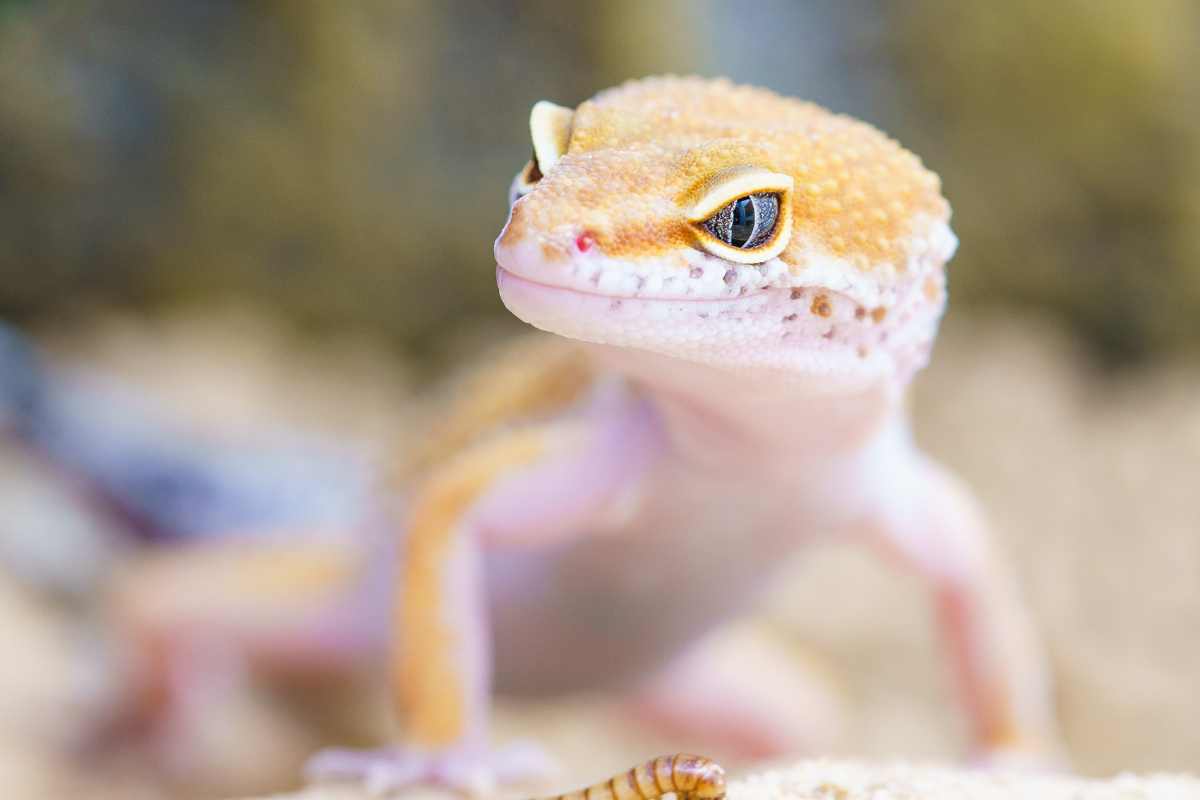
Leopard Gecko (Eublepharis macularius)
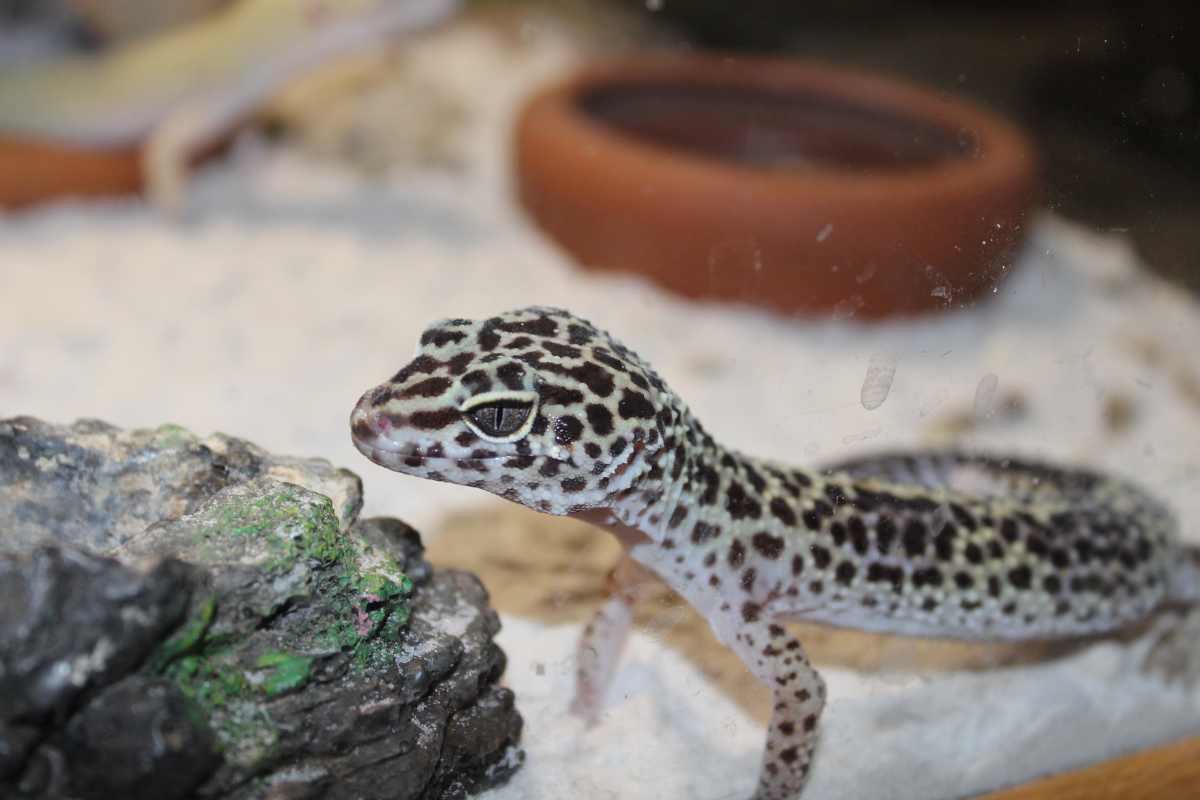
Why it’s beginner-friendly: Leopard geckos are compact, charming, and typically tolerate gentle handling. They’re crepuscular/nocturnal, need less intense lighting than desert baskers, and eat readily.
Habitat & lighting: A secure enclosure of at least a standard 20-long footprint is a practical start for a single adult (larger is always better).
Provide a warm side with a belly heat source regulated by a thermostat and a cool side to retreat.
While some keepers historically kept them without UVB, modern best practice is to offer low-level UVB with a gradient so the gecko can choose; include shaded zones. Replace bulbs per manufacturer guidelines.
Temperature & humidity: Warm hide surface around the low-mid 30s °C (about mid-80s to low-90s °F) with an ambient cool side near low-mid 20s °C (mid-70s °F). Offer a humid hide (moist moss or paper towels) to support shedding.
Substrate: Avoid loose sand marketed as “desert.” Choose safe substrates like reptile carpet, paper, sealed tile, or well-managed solid mixes. Spot-clean daily and deep-clean routinely.
Diet: Live insects such as crickets or roaches, dusted with calcium and vitamins on an appropriate schedule. Provide fresh water in a stable dish.
Handling: Short sessions, hands low to the ground, and always support the body. Never grab the tail (they can drop it).
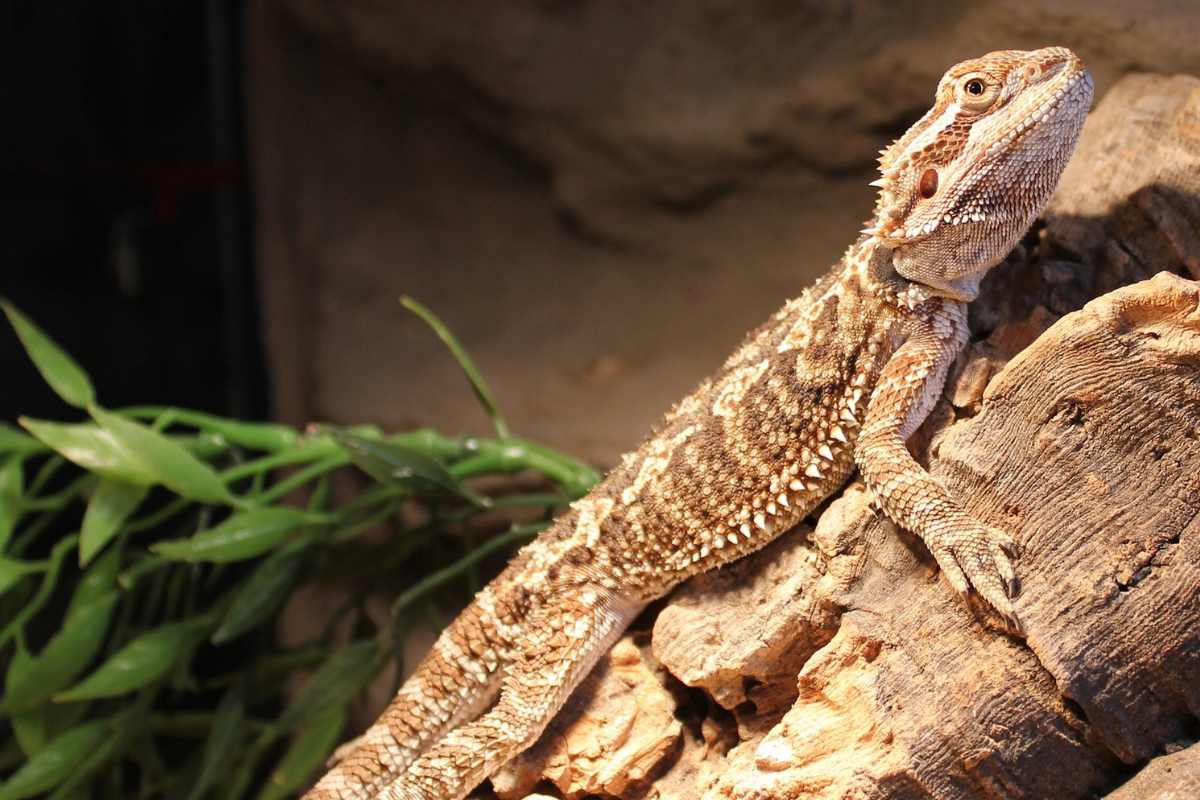
Bearded Dragon (Pogona vitticeps)
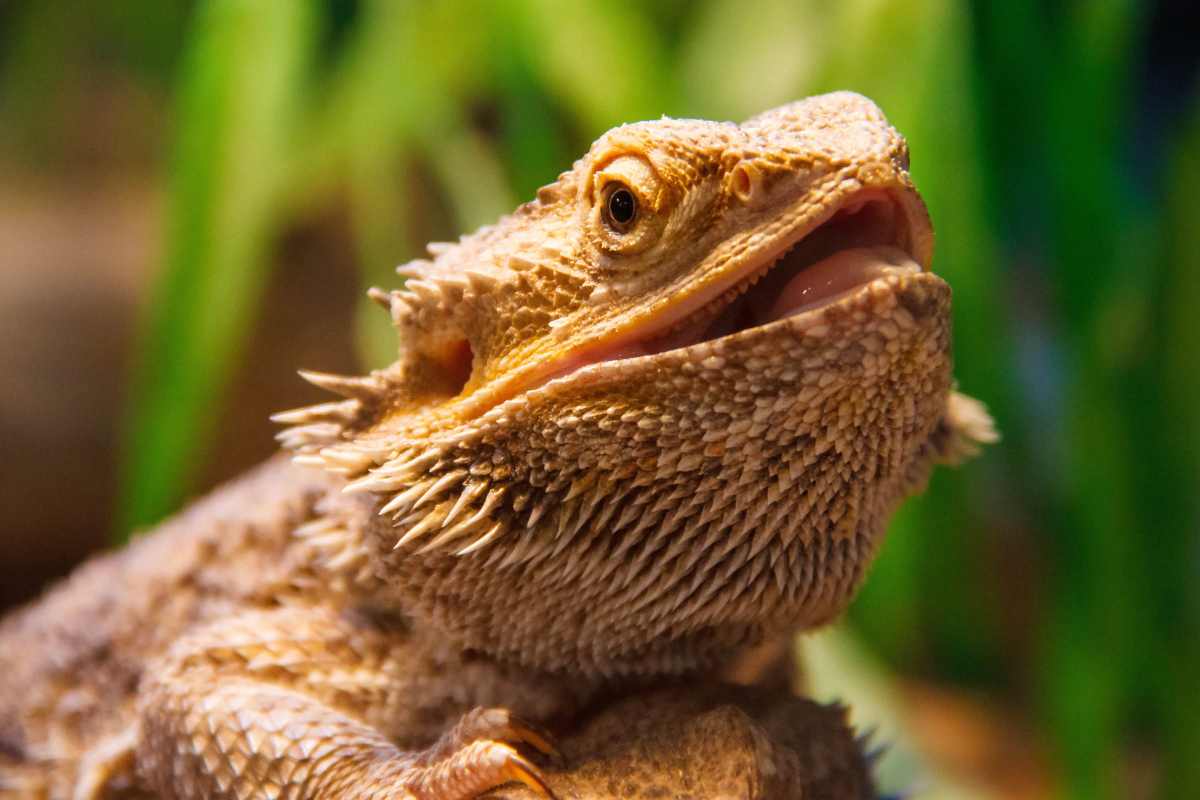
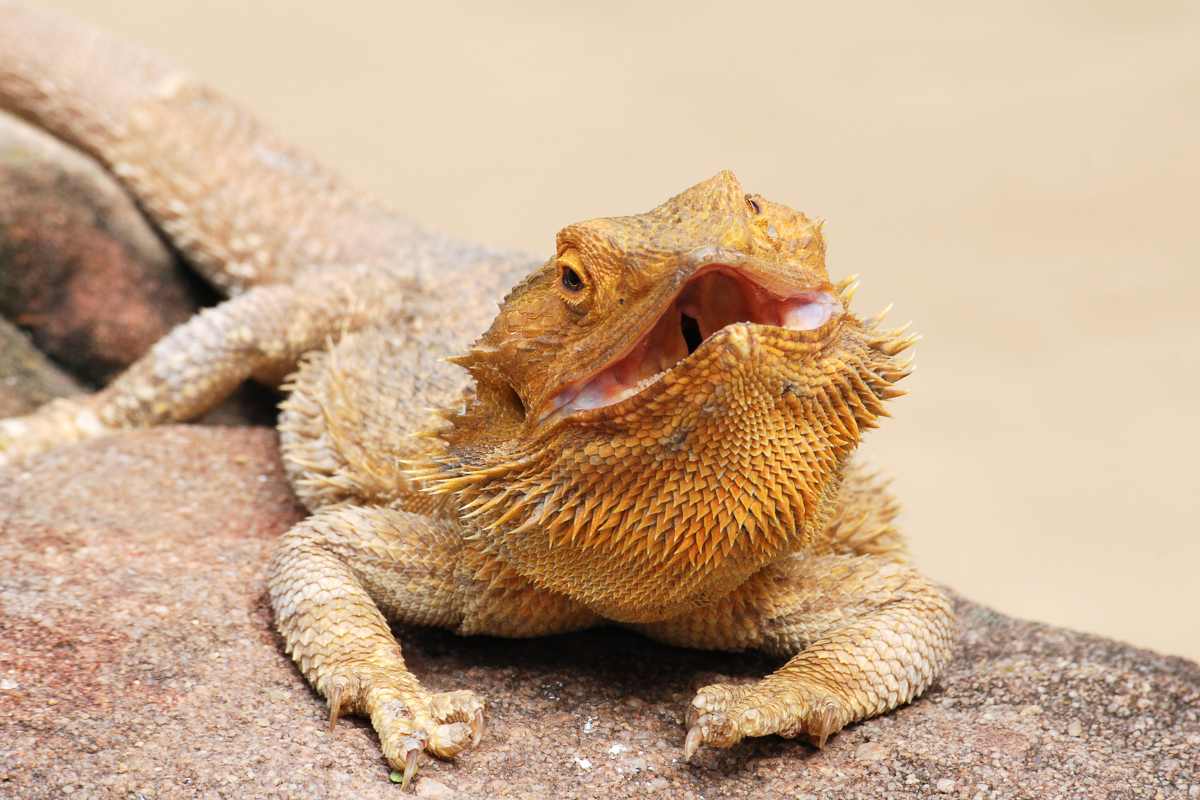
Why it’s beginner-friendly: Bearded dragons are inquisitive and can become calm with regular, respectful handling.
They’re great educational ambassadors—but they do require larger enclosures, strong lighting, and frequent feeding when young.
Habitat & lighting: Think big. Adults do best in spacious habitats with high-quality UVB spanning the basking zone.
Provide a basking temperature roughly around 38–42 °C (100–108 °F) and a cool end around 22–26 °C (72–79 °F). Give multiple hides and perches to create microclimates.
Diet: Omnivorous. Juveniles eat more insects (appropriately sized, dusted), while adults transition toward a vegetable-heavy salad (dark leafy greens, squash, limited fruit). Offer varied, gut-loaded feeders.
Humidity & hydration: Keep ambient humidity relatively low to moderate. Provide fresh water and an occasional shallow soak if recommended by your vet.
Handling: Support the chest and pelvis; move slowly and let them settle on your hands. Keep sessions short at first and avoid daily handling during initial acclimation.
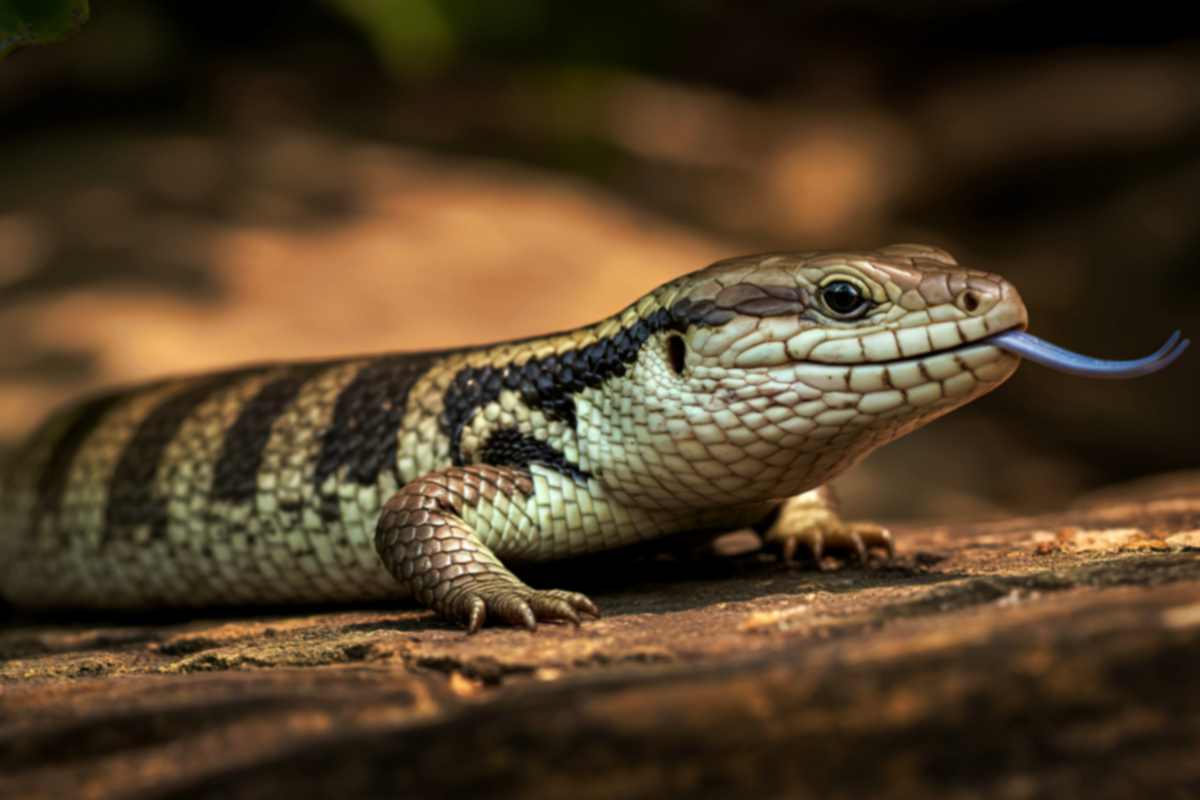
Blue-Tongue Skink (Tiliqua spp.)
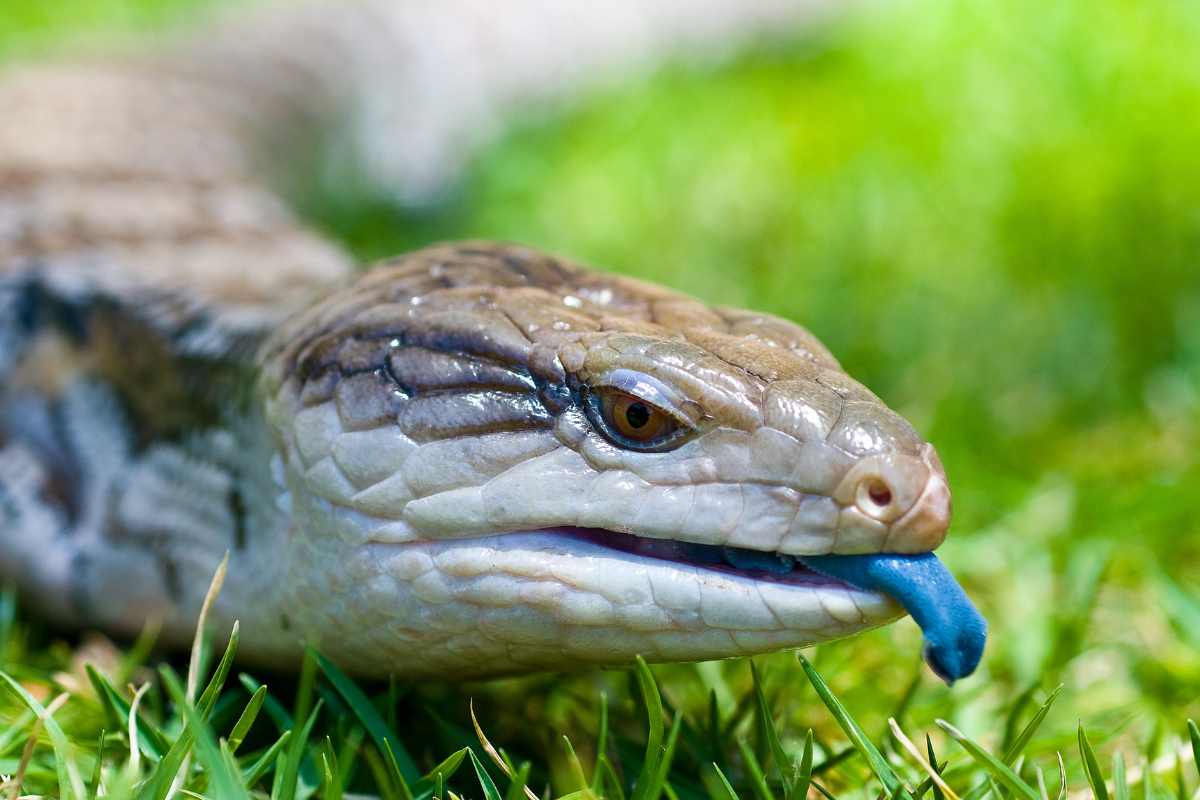
Why it’s beginner-friendly: Known for their iconic blue tongues and steady temperaments, many blue-tongue skinks tolerate handling well once acclimated. They’re robust—but they need space and consistent heat and UVB.
Habitat & lighting: Provide a roomy, floor-space-oriented enclosure. Use a strong UVB source across the basking area and create a clear thermal gradient. Blue-tongues are terrestrial; offer hides, cork flats, and clutter for security.
Temperature & humidity: A warm basking zone and moderate ambient temperatures are key; exact targets vary slightly by species/locality, so research your skink’s origin. Maintain moderate humidity, increasing during shed if needed.
Diet: Omnivores: a mix of lean animal proteins (high-quality, appropriate options), a generous portion of vegetables, and small amounts of fruit. Avoid fatty, salty, or processed foods. Balance calcium and vitamins responsibly.
Handling: Calm, confident lifts with full support. Because they’re heavier-bodied, use two hands. Watch for stress signals and give rest days between longer sessions.
Corn Snake (Pantherophis guttatus)
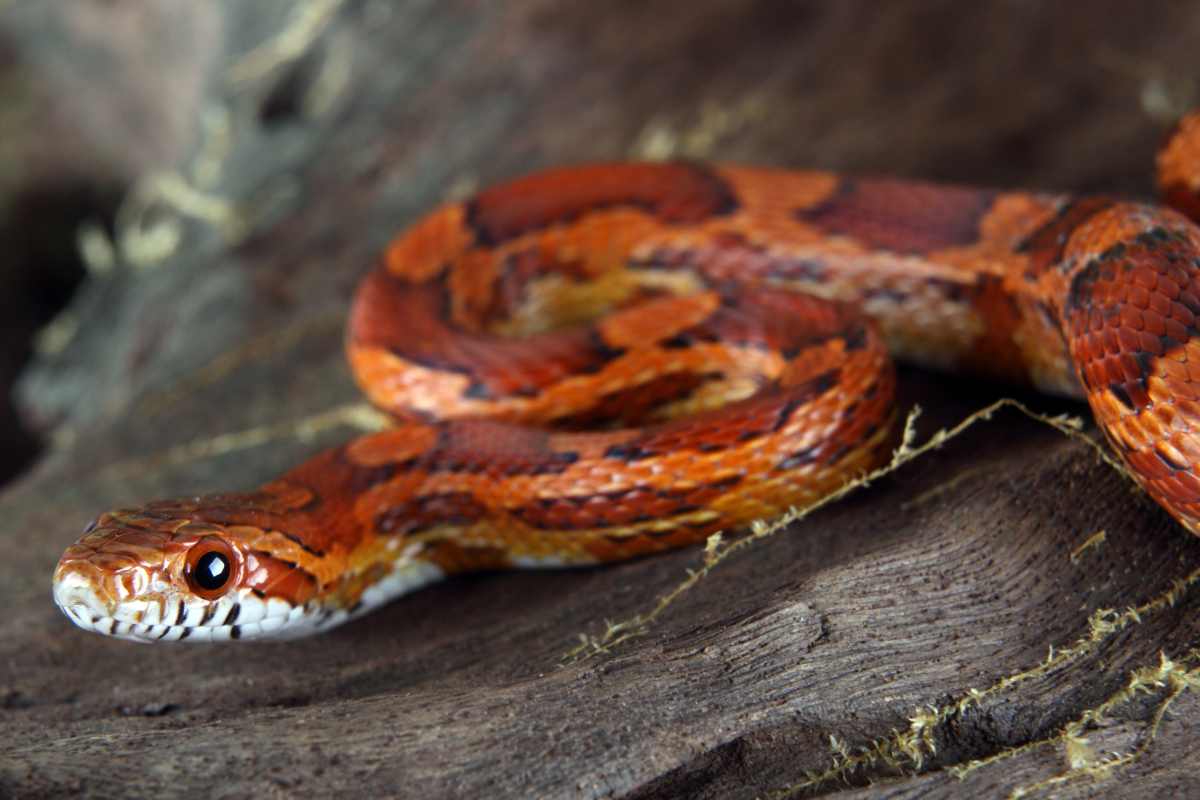
Why it’s beginner-friendly: Corn snakes are typically docile, curious, and easy to care for, making them a classic first snake. They’re also escape artists, so secure lids and tight-fitting doors are essential.
Habitat & lighting: A secure, well-ventilated enclosure with climbing opportunities and multiple hides (warm and cool). While snakes don’t bask like dragons, a day–night light cycle and optional low-level UVB can be beneficial. Prioritize a correct heat gradient.
Temperature & humidity: Provide a warm hide surface in the upper 20s to low 30s °C (about low-80s to high-80s °F) and a cooler area in the low-mid 20s °C (mid-70s °F). Keep humidity around 40–60%, raising toward ~70% during shed.
Substrate: Aspen, paper, or other suitable snake substrates that hold tunnels and spot-clean easily. Always ensure a secure lid and check for any gaps.
Diet: Appropriately sized frozen-thawed rodents offered on a schedule that matches the snake’s age and body condition. Provide fresh water and a sturdy bowl.
Handling: Let them explore your hands; avoid handling right after meals and during shed. Move slowly and support the mid-body.
Russian Tortoise (Testudo horsfieldii)
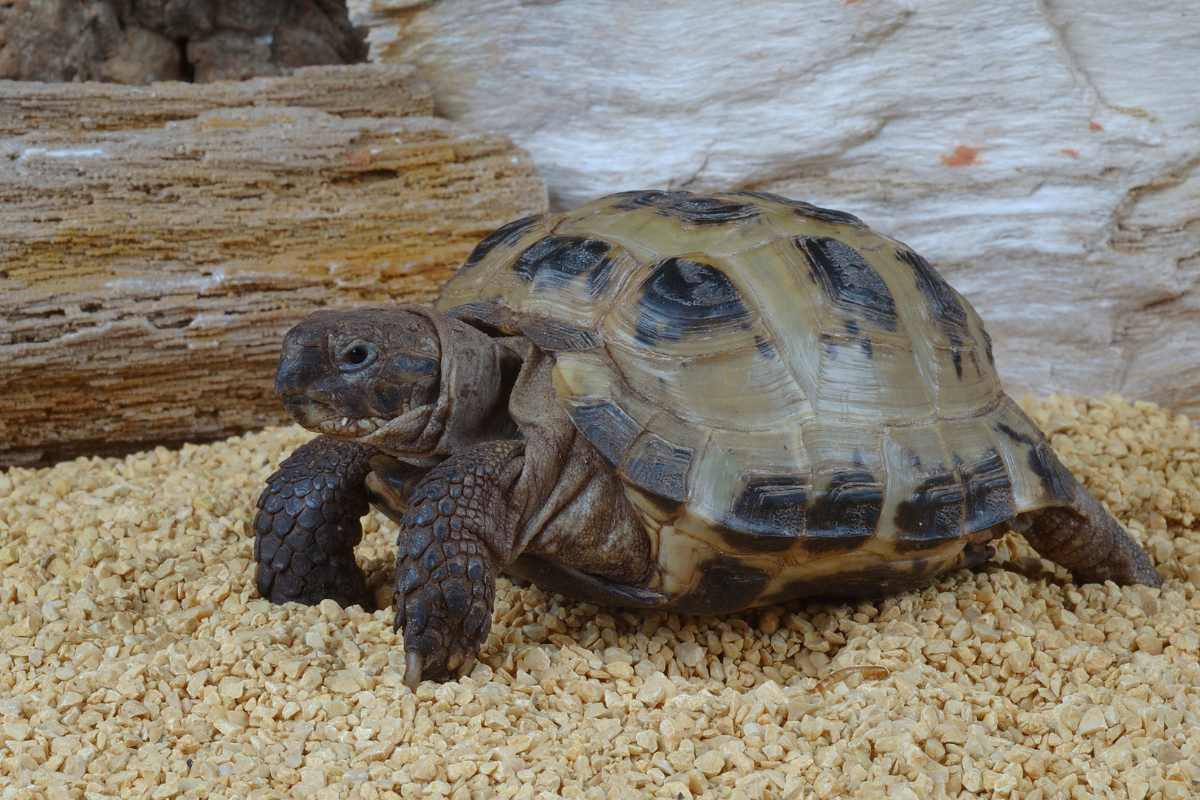
Why it’s beginner-friendly: Hardy, diurnal, and mostly hands-off, Russian tortoises are excellent for keepers who enjoy observing rather than frequent handling. The catch? They need more space than most expect.
Habitat & lighting: Skip small glass tanks. A spacious tortoise table with excellent ventilation and high-quality UVB is the modern standard. Provide a warm basking area, a broad cool zone, and multiple hides. Outdoor time in safe, predator-proof pens under natural sunlight is wonderful when climate allows.
Temperature & humidity: Warm basking spot with a cooler retreat. Keep ambient humidity on the lower side but ensure access to a hydration station and routine soaks for youngsters or as advised by your vet.
Diet: Strictly herbivorous. Emphasize fibrous weeds and greens (dandelion, plantain, collard, endive), occasional safe flowers, and avoid fruit and high-sugar items. Provide calcium and always fresh water.
Handling: Minimal. Tortoises aren’t built for frequent handling; they thrive with stability, space, and sunlight.
Gentle Handling: How Much Is “Enough”?
Build Positive Associations
Start with short, predictable sessions. Approach from the side, support the entire body, and keep your hands close to the ground or over soft surfaces. End before your reptile shows stress. Over time, many individuals tolerate handling calmly—and some become quite curious.
Signs to Pause
Breathing fast, trying to bolt, puffing or hissing, closing the eyes to avoid interaction, gaping, or tail twitching are your cues to stop, give the animal space, and try another day.
Starter Setup & Budgeting (What to Plan For)
Enclosure size: Err on the side of larger footprints, especially for active species like bearded dragons, blue-tongue skinks, and Russian tortoises.
Lighting & heat: Invest in quality UVB lighting for reptiles, reliable fixtures, and thermostats/dimmers. Replace UVB lamps per manufacturer schedules.
Measuring tools: Digital thermometers (warm and cool sides), an infrared temp gun for basking spots, and a hygrometer for humidity.
Substrates & décor: Choose safe substrates (avoid loose sand for leopard geckos). Add hides, branches, and clutter to create microclimates and reduce stress.
Food & supplements: Insects or rodents from reputable sources; fresh greens for herbivores/omnivores; calcium and vitamins as species-appropriate.
Veterinary care: Budget for an initial exotics vet check and periodic fecal tests. Prevention is cheaper than treatment.
Common Mistakes to Avoid
Skipping UVB or providing it without a proper gradient.
Heating the whole enclosure evenly instead of creating a warm-to-cool gradient.
Over-handling new pets during the first two weeks.
Using controversial substrates (e.g., loose sand) for species prone to ingestion.
Neglecting humidity during shed cycles, especially for snakes.
Buying on impulse without researching adult size, lifespan, and ongoing costs.
Quick Answers (FAQ)
Do all beginner reptiles need UVB?
While intensity varies, providing appropriate UVB with access to shade is widely recommended. It supports bone health, appetite, and natural rhythms.
How often should I handle my reptile?
After a settling period, start with a few minutes several times a week. Watch for stress signals and increase only if the animal remains calm.
What’s the easiest reptile to feed?
Leopard geckos take insects; corn snakes eat frozen-thawed rodents; bearded dragons and blue-tongues need varied diets; Russian tortoises require fibrous greens. Choose what you’re comfortable sourcing and storing.
Are reptiles safe with kids?
Supervised, seated interactions are best. Teach gentle handling, wash hands, and keep habitats secure and clean.
Editorial Note
This article is educational and reflects current best practices gathered from reptile care guidelines, experienced keepers, and veterinarians specializing in exotics. It does not replace individualized veterinary advice.
Ready to Start with Easy-to-Handle Reptiles?
If you match the species to your space, commit to proper UVB and heat, and keep handling slow and positive, your first reptile can be a genuinely rewarding companion to observe and—over time—to handle with confidence.
Save this guide, build your beginner reptile care checklist, and choose the pet that fits your lifestyle today.
Enjoy This Video About Reptiles

Source: Wickens Wicked Reptiles
Did you find this post useful or inspiring? Save THIS PIN to your Pets Board on Pinterest!

Urbaki Editorial Team is the collaborative byline behind our pet-care guides. Our writers and editors turn evidence and real-life experience into clear, humane advice on training, wellbeing, nutrition basics, and everyday life with animals. Every article is planned, written, and edited by humans, fact-checked against reputable veterinary sources, and updated over time. This is an editorial pen name—see our Editorial Policy. Educational only; not a substitute for veterinary advice.
You may also like