
Top 5 Lizards For Beginner Keepers


When you're considering a pet lizard for the first time, it can feel like a daunting decision. Reptiles, particularly lizards, have unique care requirements compared to other pets like cats or dogs.
Fortunately, some species are easier to care for and make perfect companions for beginner keepers.
In this guide, we'll explore the best beginner-friendly lizards, their needs, and how to create the perfect environment for them.
Whether you're new to reptile care or looking for a low-maintenance pet, these lizards are a great starting point.
Choosing the Right Lizard for You

Before diving into the specifics of each species, it’s essential to understand the general needs of lizards. Beginner lizards are usually hardy, adaptable, and relatively easy to care for.
However, all reptiles require attention to temperature, humidity, and diet. These factors play a vital role in your lizard’s well-being. Ensuring that you have a proper enclosure and the right supplies is key to success.
Lizards often thrive in specific temperature ranges, and it’s essential to mimic their natural environment as closely as possible. The right habitat will not only help them thrive but also reduce stress and potential health issues.
1. Leopard Gecko (Eublepharis macularius): The Ultimate Beginner Lizard

The Leopard Gecko is widely regarded as one of the best lizards for beginners. This species is well-known for being low-maintenance, hardy, and easy to handle, making it a great first pet for those new to reptile care.
Care Requirements
Temperature: Leopard geckos prefer a temperature range of 75-85°F (24-29°C) during the day, with a basking spot reaching up to 90°F (32°C).
Humidity: These lizards are desert dwellers and thrive in low humidity environments, ideally between 30-40%.
Diet: Their diet mainly consists of insects like crickets, mealworms, and superworms. They also need occasional calcium supplements.
Tank Size: A 20-gallon tank is suitable for one adult Leopard Gecko. It’s crucial to provide hiding spots, a small water dish, and a heat source.
Leopard geckos are not demanding when it comes to lighting, but they do need a warm basking spot. Their calm demeanor also makes them easy to handle, and they tend to be less skittish than other lizard species.
2. Bearded Dragon (Pogona vitticeps): The Friendly and Sociable Companion

The Bearded Dragon is another popular choice for beginners. Known for its docile temperament and social behavior, the Bearded Dragon enjoys interaction and is often comfortable being handled by its owners.
Care Requirements
Temperature: Bearded Dragons need a basking area between 95-105°F (35-41°C) during the day, with a cooler end of the tank around 75°F (24°C) at night.
Humidity: They prefer a slightly higher humidity level than Leopard Geckos, around 30-40%.
Diet: Bearded Dragons are omnivores, meaning they enjoy both plant and animal-based foods. Their diet consists of vegetables, such as leafy greens and bell peppers, and insects, like crickets, mealworms, and dubia roaches.
Tank Size: A 40-gallon tank is recommended for an adult Bearded Dragon. It needs plenty of space for basking, climbing, and hiding.
Bearded Dragons are relatively easy to care for and are a great choice if you’re looking for a lizard that will engage with you. They can be trained to enjoy handling, making them more interactive than some other species.
3. Crested Gecko (Correlophus ciliatus): The Low-Maintenance Climber
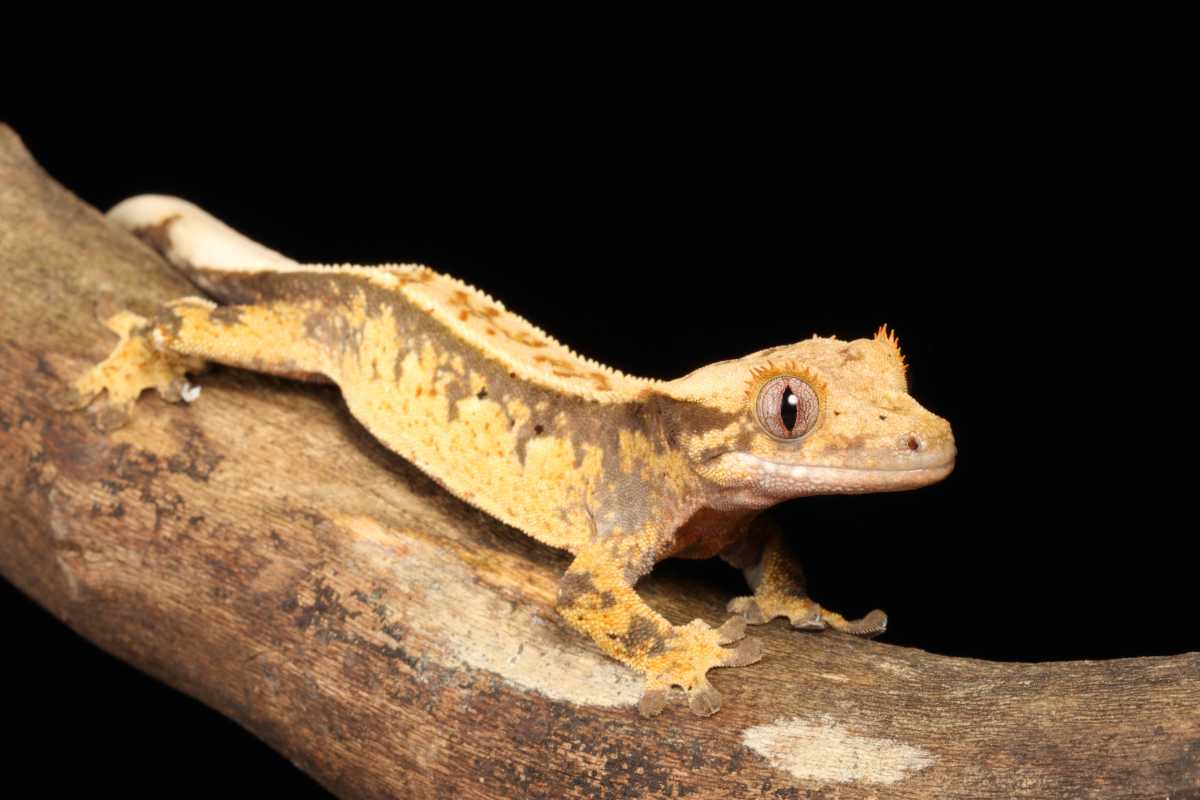
If you’re seeking a nocturnal pet, the Crested Gecko is an excellent option. This species is ideal for beginner keepers who want a lizard that doesn’t require extensive daily care.
Care Requirements
Temperature: Crested Geckos thrive at temperatures between 72-78°F (22-26°C). They do not need a heat lamp but may benefit from a gentle heat source in colder climates.
Humidity: These geckos prefer higher humidity, around 50-70%, to keep their skin hydrated.
Diet: Crested Geckos are primarily fruit eaters, with a diet consisting of commercial crested gecko food and occasional insects like crickets.
Tank Size: A 20-gallon tank is suitable for one adult Crested Gecko. Vertical space is important since they are excellent climbers. Provide branches, vines, and plenty of places to hide.
Crested Geckos are easy to care for and don’t need excessive attention. They are also very easy to handle and often enjoy interacting with their owners, though they are more active at night.
4. Blue-Tongue Skink (Tiliqua spp.): A Large but Gentle Lizard

The Blue-Tongue Skink is a larger lizard that is incredibly gentle and easy to handle, making it another good choice for beginners who are ready for a bit more responsibility.
These lizards have distinctive blue tongues, which they use to intimidate predators in the wild.
Care Requirements
Temperature: Blue-Tongue Skinks need a basking area of 95°F (35°C) and a cooler side of the enclosure around 75°F (24°C).
Humidity: They require moderate humidity of around 40-60%.
Diet: These omnivores enjoy a variety of foods, including vegetables, fruits, and insects. They also need high-protein foods like eggs and lean meats.
Tank Size: Blue-Tongue Skinks need a 40-gallon tank at a minimum, with ample floor space for roaming.
While they are larger than some of the other lizards on this list, Blue-Tongue Skinks are very friendly and get along well with their owners. They are relatively easy to handle and feed, but they do need a bit more space due to their size.
5. African Fat-Tailed Gecko (Hemitheconyx caudicinctus): The Underestimated Beauty

The African Fat-Tailed Gecko is a lesser-known but fantastic option for beginners. This species is similar to the Leopard Gecko in terms of care requirements but offers a more distinctive appearance and a gentler demeanor.
Care Requirements
Temperature: African Fat-Tailed Geckos need a temperature range between 75-85°F (24-29°C) during the day, with a basking area reaching up to 90°F (32°C).
Humidity: Like the Leopard Gecko, they do well in a low-humidity environment of around 30-40%.
Diet: Their diet consists mainly of insects, such as crickets and mealworms. They also need calcium and vitamin D3 supplements.
Tank Size: A 20-gallon tank is perfect for an adult African Fat-Tailed Gecko. Provide caves, hides, and a warm basking area to ensure they feel secure.
These geckos are calm and easy to handle, making them an excellent choice for anyone new to reptile care. Their hardy nature and fascinating appearance make them a unique alternative to the more commonly kept Leopard Gecko.
Creating the Perfect Lizard Habitat

No matter which lizard species you choose, creating the right environment is crucial. Here are some key considerations for building the perfect lizard habitat:
Substrate
Choose a substrate (the material on the bottom of the tank) that is easy to clean and provides a natural feel for your lizard. For most lizards, reptile carpet, paper towels, or coconut fiber are great options. Avoid loose substrates like sand, as they can be harmful if ingested.
Lighting and Heating
Lizards need proper lighting to thrive. UVB lights are essential for many species to metabolize calcium and maintain healthy bones. A heat lamp or ceramic heat emitter will provide the necessary warmth.
Hiding Spots and Enrichment
Lizards love to have hiding spots where they can retreat when they feel stressed. Caves, logs, and plants offer excellent hiding spots. Adding branches, rocks, or hammocks will also give them more places to explore.
Conclusion: Choosing the Right Lizard

Choosing the right beginner lizard depends on your personal preferences, your experience with reptiles, and the time you can dedicate to care.
Whether you opt for the social Bearded Dragon, the low-maintenance Leopard Gecko, or the climbing-friendly Crested Gecko, all of these species are fantastic starting points.
With the proper care, attention, and environment, you’ll be able to enjoy a rewarding relationship with your new lizard companion.
Remember, patience and consistency are key when caring for reptiles. Once you’ve created a suitable habitat and learned their specific needs, your lizard will thrive and provide you with years of companionship. Happy herping!
Source: Wickens Wicked Reptiles
Did you find this post useful or inspiring? Save THIS PIN to your Pets Board on Pinterest!

You may also like