
Top 7 Aquarium Fish With The BEST Personality


When it comes to aquarium fish, personality is often overlooked in favor of appearance or ease of care.
However, many aquarium fish exhibit fascinating behaviors that make them unique companions in your underwater world.
Whether you're a beginner or a seasoned aquarium enthusiast, these top 7 aquarium fish are known not only for their beauty but for their engaging personalities.
In this article, we'll explore some of the most charismatic fish species, detailing their individual quirks and personalities, so you can find the perfect aquatic companion for your tank.
1. Betta Fish (Betta splendens) – The Charismatic Diva
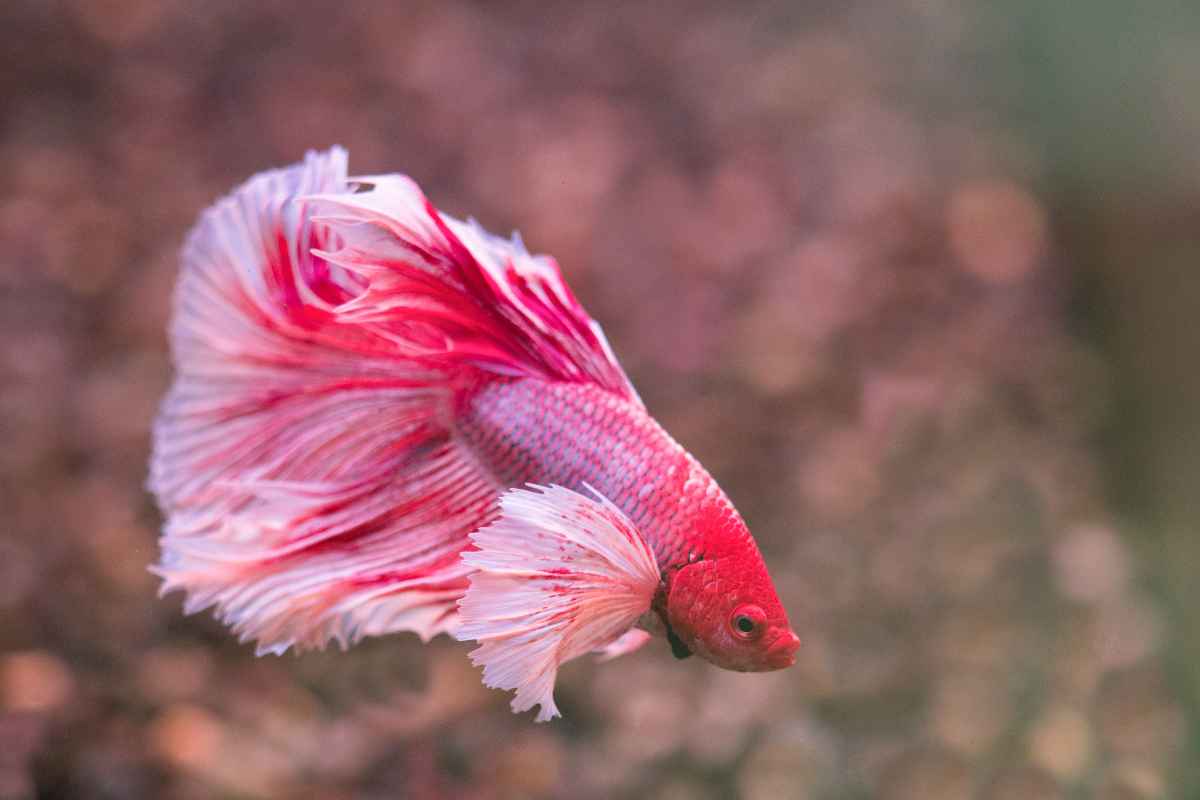
Betta fish, also known as Siamese fighting fish, are well-known for their vivid colors and striking fins.
But beyond their beauty, these fish have a strong sense of territoriality and curiosity, which makes them fascinating to observe.
Personality Traits
Betta fish are highly territorial and can be aggressive towards other males of the same species.
However, they are also known for their curious nature, often following their owners with intense eye contact when approached.
Betta fish can be trained to perform simple tricks, like swimming through hoops, due to their high intelligence.
Care Requirements
Betta fish require at least a 5-gallon tank with a lid, as they can jump.
They also prefer slightly warmer water (around 78-80°F) and thrive in a tank with plenty of plants and hiding spots.
While they can be aggressive, they can live harmoniously with other peaceful species if kept in a spacious tank.
2. Oscar Fish (Astronotus ocellatus) – The Gentle Giant

Oscar fish are known for their striking appearance and intelligent behavior.
These fish can recognize their owners and often interact with them, making them one of the most interactive species in the aquarium world.
Personality Traits
Oscar fish are highly social and have individual personalities.
They are known to show affection towards their owners, especially during feeding times, where they may even beg for food.
Their intelligence allows them to learn certain routines, and some owners report that their Oscars enjoy being hand-fed.
Care Requirements
Oscar fish grow quite large, so they need a large tank, ideally 75 gallons or more, to accommodate their size.
They prefer slightly acidic water with temperatures ranging from 74-81°F. Oscars are carnivores and require a varied diet of high-protein foods like pellets, shrimp, and worms.
3. Clownfish (Amphiprioninae) – The Playful Entertainer

Clownfish, popularized by the movie Finding Nemo, are small but full of personality.
These fish are known for their symbiotic relationship with sea anemones, which provides both shelter and protection.
Personality Traits
Clownfish are very social and can be quite vocal, communicating through pops and clicks.
They are also territorial, particularly when it comes to their anemones, but they are generally peaceful with other species.
Clownfish are incredibly fun to watch, as they engage in constant activity and sometimes even seem to "dance" in the currents.
Care Requirements
Clownfish thrive in saltwater aquariums with a pH level between 7.8 and 8.4.
They require a 60-gallon tank with live rock and preferably a host anemone to interact with.
Clownfish are omnivores and enjoy a diet of algae, brine shrimp, and special pellet food.
4. Cichlids (Various Species) – The Protective Parents

Cichlids are a diverse family of fish that are known for their strong parental instincts and territorial nature.
They come in a wide variety of species, including the popular African cichlids and South American cichlids.
Personality Traits
Cichlids exhibit a range of personalities, but many are highly territorial and will defend their space vigorously.
However, they also form close bonds with their mates and show incredible care for their offspring.
Cichlids can be interactive with their owners, especially during feeding times, and they can recognize familiar faces.
Care Requirements
Cichlids need a large tank with plenty of hiding spaces and territories. A 50-gallon tank or larger is recommended.
The water temperature should be between 75-82°F, depending on the species. Cichlids are carnivores and should be fed high-quality protein-based foods.
5. Goldfish (Carassius auratus) – The Friendly Companion

Goldfish are one of the most iconic aquarium fish, and their docile and friendly nature makes them ideal for families and beginners alike.
While their personalities may vary, many goldfish can recognize their owners and will interact with them during feeding.
Personality Traits
Goldfish are often described as gentle and curious. They enjoy exploring their environment and will often swim up to the glass to greet their owners.
Though they don’t have the same level of intelligence as some other species, their simple, friendly interactions make them a beloved choice for many aquarium keepers.
Care Requirements
Goldfish need a minimum of a 20-gallon tank to thrive, as they can grow quite large.
They require cool water temperatures around 65-75°F and need a filtration system to maintain water quality.
Goldfish are omnivores and enjoy a varied diet of pellets, vegetables, and occasional live food.
6. Platies (Xiphophorus maculatus) – The Peaceful Community Fish

Platies are small, peaceful fish that are perfect for community tanks. These fish are known for their gentle demeanor and vibrant colors, making them a great addition to any aquarium.
Personality Traits
Platies are peaceful and social, often found swimming in schools or exploring all corners of their tank.
They are not as territorial as some other species and can cohabitate well with most other peaceful fish. Their playful nature and small size make them ideal for community aquariums.
Care Requirements
Platies prefer slightly alkaline water with a temperature range of 70-78°F.
They do well in tanks of at least 20 gallons and enjoy a varied diet of flake food, frozen or live foods like brine shrimp, and occasional plant matter.
7. Guppies (Poecilia reticulata) – The Active Socialites

Guppies are tiny but full of life, and they are famous for their active behavior and colorful displays. These fish are incredibly social and often engage in entertaining group dynamics.
Personality Traits
Guppies are highly social and interactive. They thrive in groups and will often swim in tight formations.
Guppies are not shy, and they will eagerly approach their owners, especially at feeding times. Their active nature makes them a fun species to watch as they dart around the tank.
Care Requirements
Guppies thrive in tanks of at least 10 gallons, with a water temperature of 72-82°F.
They prefer a slightly alkaline environment and need a filtration system to maintain water quality. Guppies are omnivores and enjoy a diet of high-quality flakes, frozen foods, and plant matter.

Conclusion: Choosing the Right Fish for Your Tank
Each of these aquarium fish brings something special to your tank, whether it's the interactive betta, the intelligent Oscar, or the playful guppy.
When choosing the right fish, it's essential to consider not only their personality but also their care requirements, including tank size, water temperature, and compatibility with other species.
If you're looking for a companion that adds character to your aquarium, these species are sure to offer you an engaging and rewarding experience.
Remember, every fish has its own unique personality, and part of the joy of keeping an aquarium is getting to know your aquatic friends on a deeper level.
We hope you enjoy this video about Fishes

Source: Prime Time Aquatics
Did you find this post useful or inspiring? Save THIS PIN to your Pets Board on Pinterest!

You may also like