
Train your Fish to do These Incredible Tricks


Training your fish might sound like an impossible task, but the reality is quite the opposite.
Fish are highly intelligent creatures capable of learning a variety of tricks, just like other pets.
With the right techniques, patience, and a little creativity, you can train your fish to perform stunning behaviors that will impress anyone.
In this guide, we’ll explore the best methods for training your fish, how to choose the right species, and how to create a suitable environment for training.
Whether you're a beginner or an experienced fish owner, these tips will help you get started on this exciting journey.
Why Fish Can Be Trained: The Science Behind Fish Intelligence
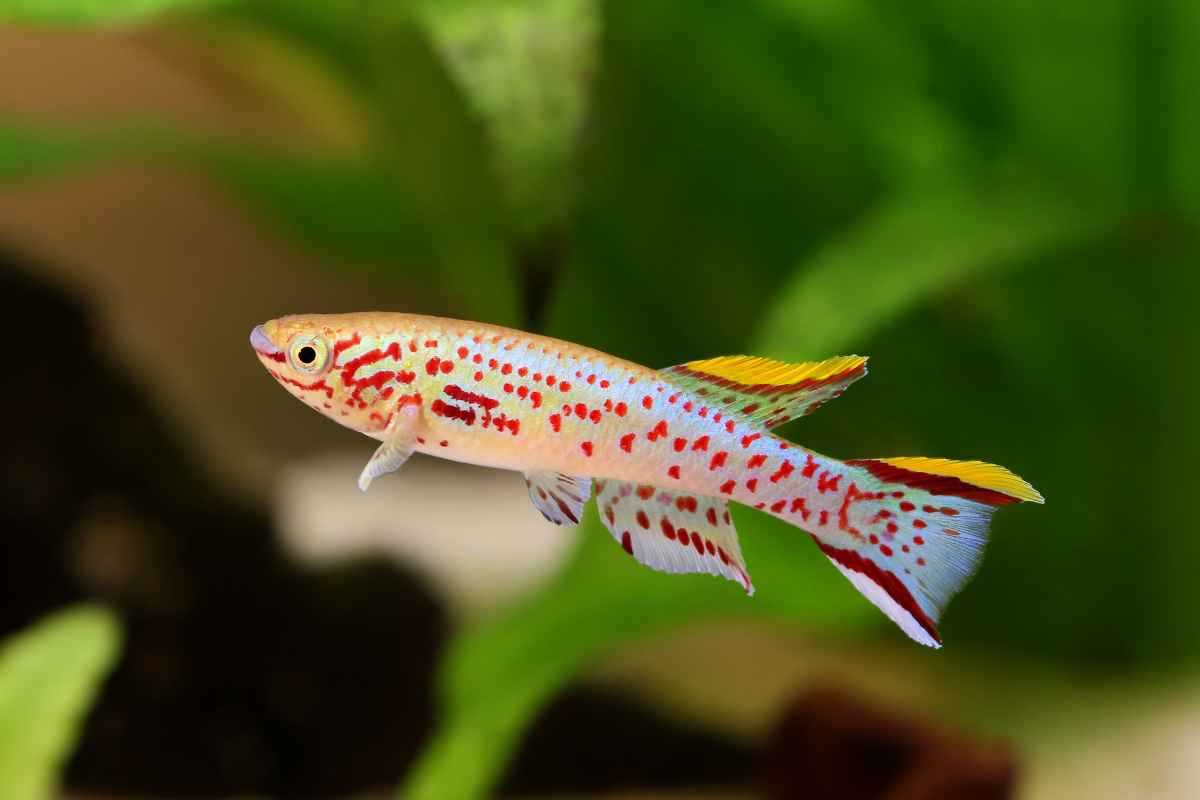
Many people underestimate the intelligence of fish, assuming they are not capable of learning complex tasks.
However, research has shown that fish, like goldfish, cichlids, and even bettas, possess cognitive abilities that enable them to recognize patterns, respond to stimuli, and form associations.
Studies indicate that fish have excellent memory, especially when it comes to spatial navigation and recognizing their owners.
Fish are more than just ornamental – they can engage with their environment, form social bonds, and learn through positive reinforcement, much like dogs or cats.
Choosing the Right Fish for Training
Before you dive into training, it’s important to select a fish species that is naturally more receptive to training.
Some fish are more active and curious, which makes them easier to train. Here are a few species that are known to be great for training:
Goldfish
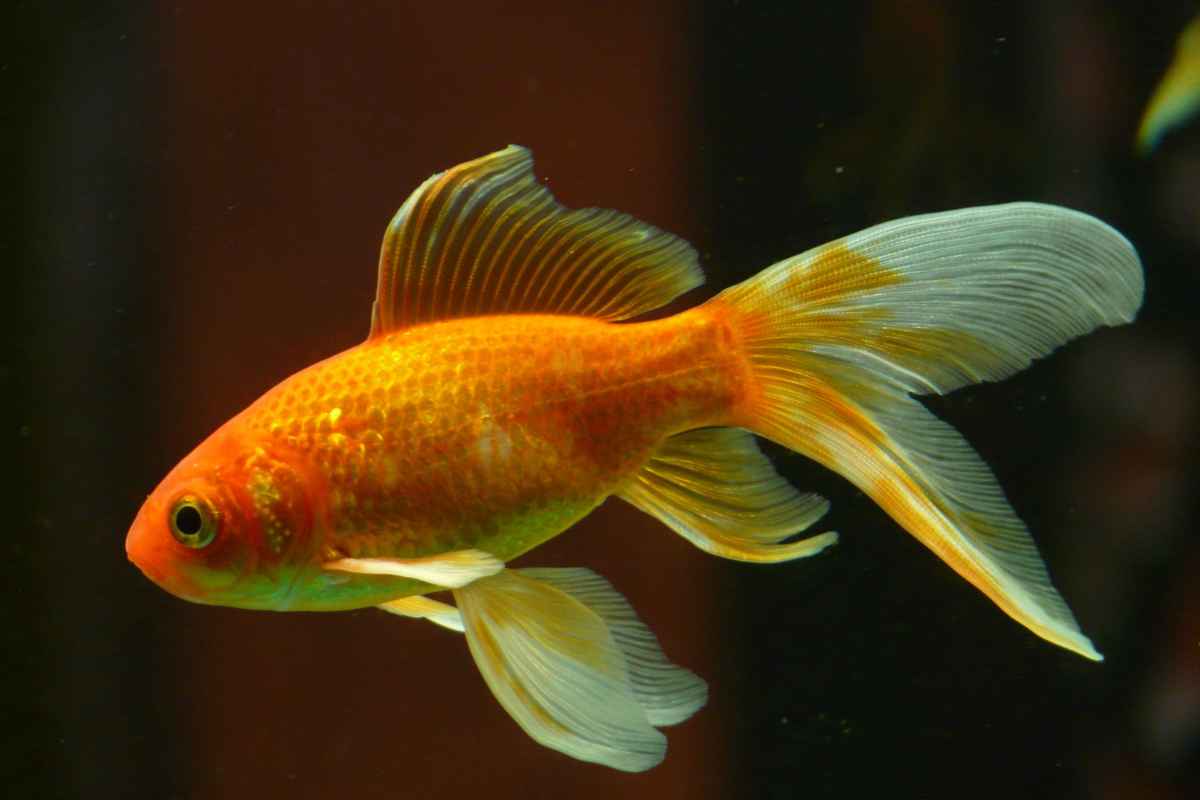
Goldfish are known for their ability to learn through repetition and positive reinforcement. They can be trained to perform tricks like swimming through hoops or following a target.
Betta Fish
Betta fish are small but highly intelligent. They can learn to interact with their owners and even follow simple commands.
Cichlids
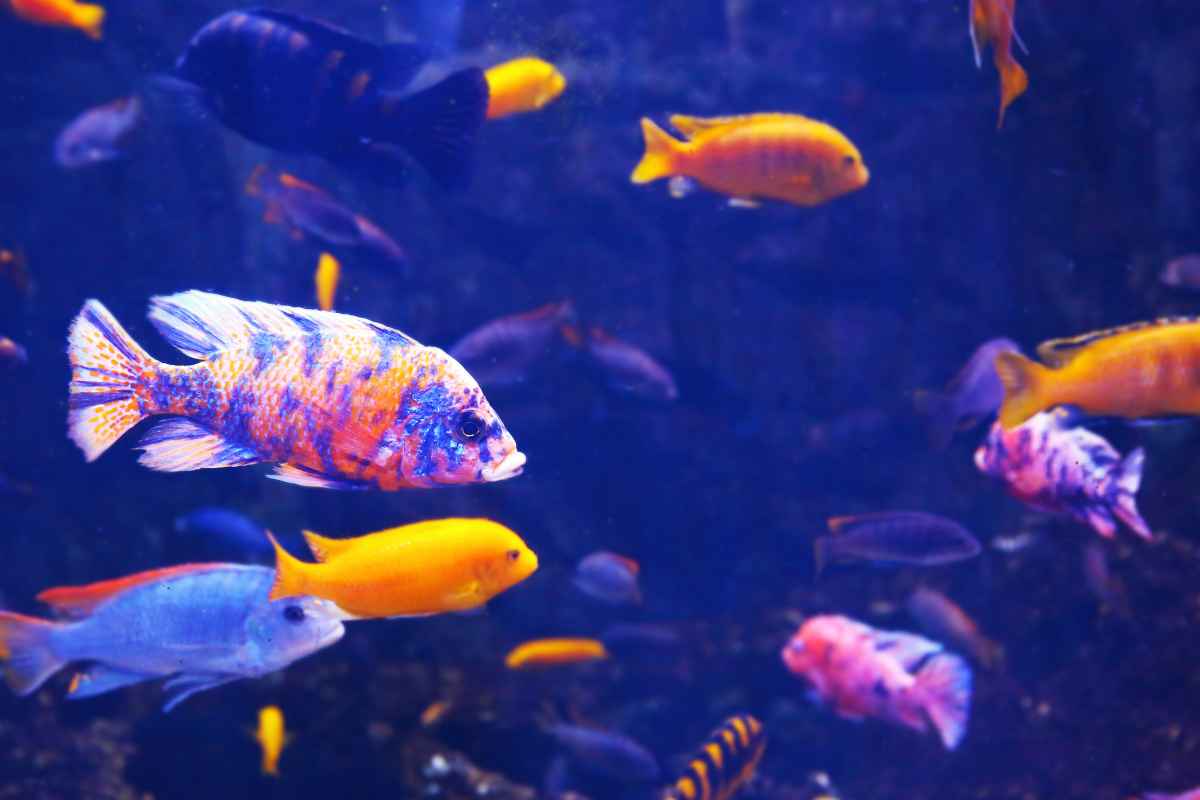
Cichlids, especially African cichlids, are known for their problem-solving skills. They are often used in research to study fish behavior and learning.
Tetras and Guppies
While not as easy to train as goldfish or bettas, smaller species like tetras and guppies can also be trained using patience and repetition.
Avoiding Training Over-Stimulated Fish
Fish that are too timid or skittish, such as many species of catfish or bottom feeders, might not respond well to training, so it's important to choose a fish species that is both active and comfortable with interaction.
Setting Up the Ideal Training Environment
The success of your fish training greatly depends on the environment. Fish are sensitive creatures, and a stressed fish won’t be able to focus on learning. Here are a few tips for setting up the right environment:
1. Maintain a Clean and Healthy Tank
Ensure that the tank is clean and well-maintained. A healthy environment is key for your fish’s well-being, and a stressed fish will not perform well during training sessions.
2. Choose the Right Lighting and Temperature
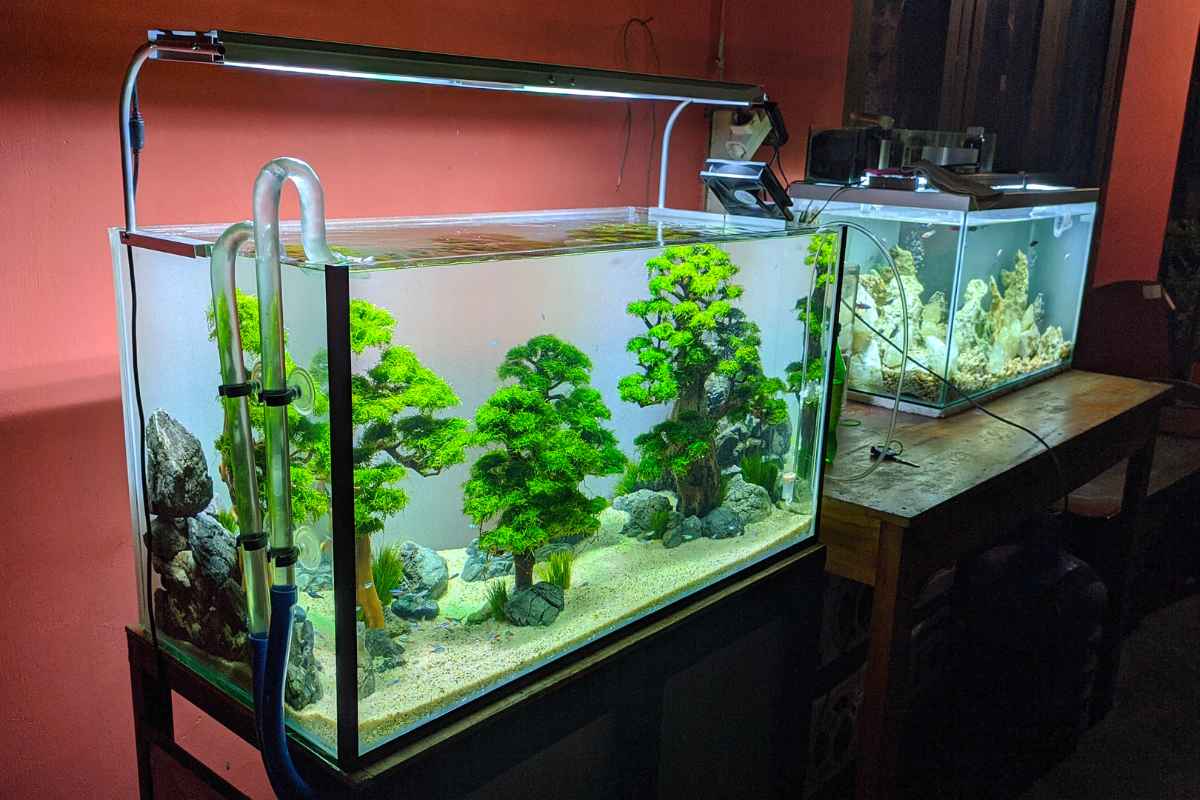
Fish thrive in stable environments, so it's essential to maintain the correct lighting and water temperature for your species.
Avoid sudden changes in the tank’s environment, as they can cause stress and disrupt your fish’s behavior.
3. Add Stimulating Décor
Add plants, rocks, and other tank décor to provide stimulation. Fish like to explore, and having a diverse environment can help engage their curiosity.
4. Limit Distractions
While training, minimize distractions like loud noises or other animals near the tank. A calm and quiet space allows your fish to focus on the task at hand.
Training Techniques: How to Teach Your Fish to Do Tricks
Now that you've set up the environment, it’s time to start the actual training.
Training a fish requires patience, consistency, and the use of positive reinforcement. Here are some effective techniques to get you started:
1. Positive Reinforcement: The Key to Successful Training
Just like other animals, fish respond to positive reinforcement.
This means rewarding your fish with food or attention when they perform the desired behavior. Here’s how you can implement positive reinforcement:
Use small treats: Fish love certain foods like bloodworms or pellets, which can be used as rewards during training.
Timing is crucial: Reward your fish immediately after they complete the trick. This helps them associate the behavior with the reward.
Start simple: Begin with easy tricks, such as swimming through a hoop or following your finger. As your fish becomes more proficient, you can increase the difficulty.
2. Target Training
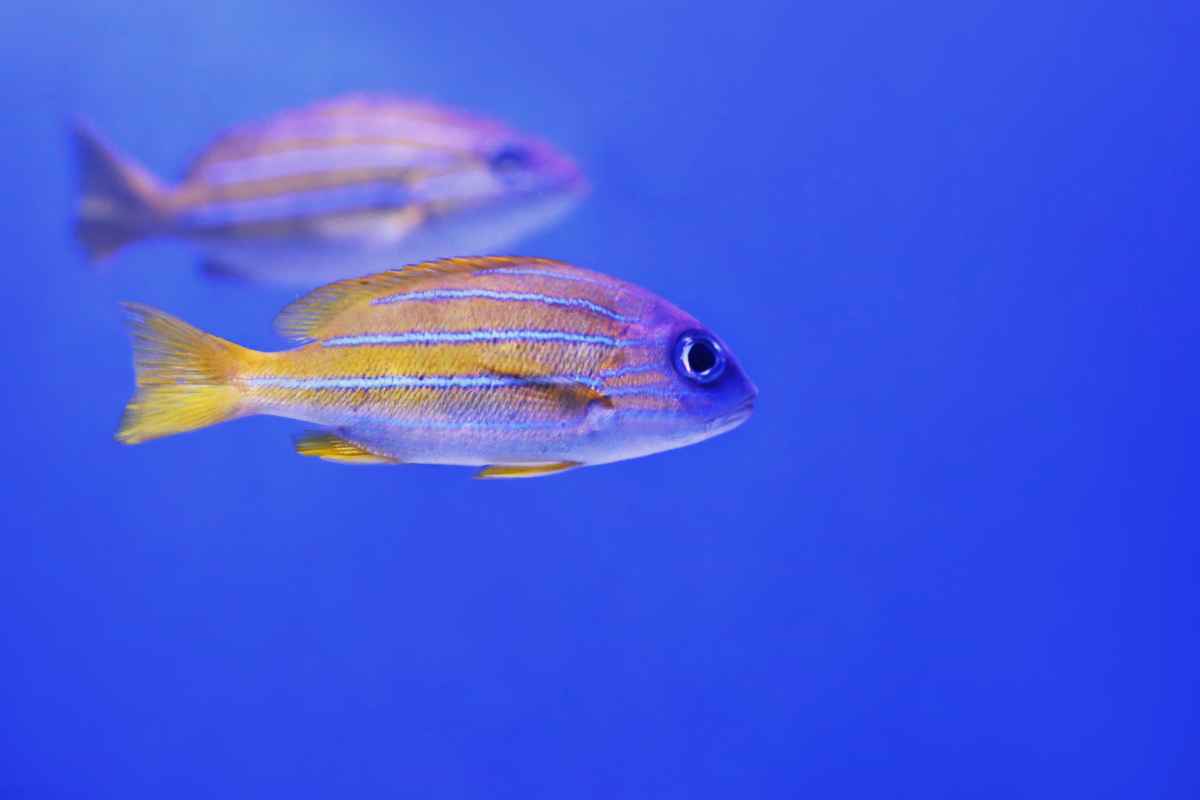
One of the most effective methods of training fish is target training. This involves teaching your fish to follow a specific object, like a stick or a target stick, to a designated spot in the tank.
Here’s how to get started:
Introduce the target: Gently move the target near your fish, and when it touches the target, reward your fish with a treat.
Increase complexity: Gradually move the target further away from the fish, encouraging them to swim toward it.
3. Clicker Training
Clicker training is a method used for reinforcing behavior with a sound. This technique can be applied to fish as well.
By using a clicker sound just before giving a treat, your fish will start to associate the click with a positive reward.
Use a consistent sound: Use the clicker or another consistent sound every time you reward your fish. This will help them connect the noise with the treat.
Practice regularly: Repetition is key to success with clicker training.
4. Swimming Through Hoops
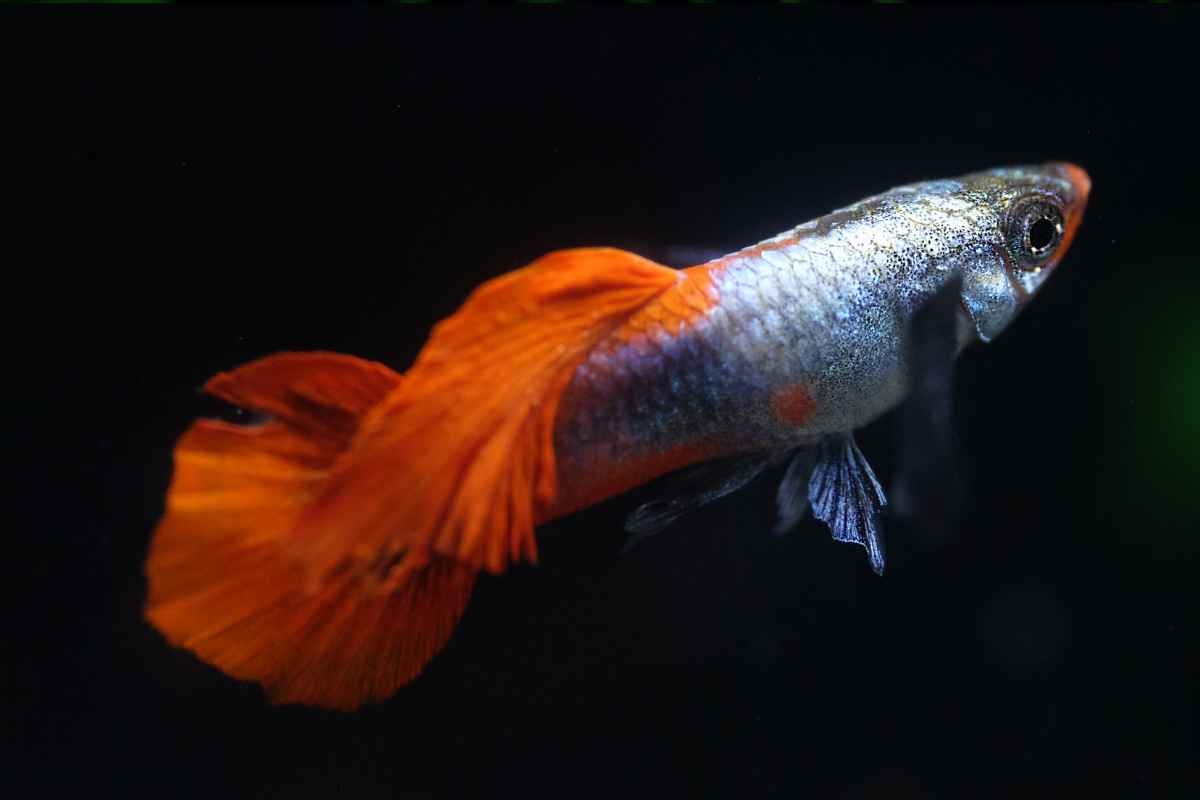
This classic trick is one of the most fun to teach your fish. Here’s how to train your fish to swim through hoops:
Start with a small hoop: Place the hoop in the water and encourage your fish to swim through it using positive reinforcement.
Increase the challenge: Gradually increase the size of the hoop, and reward your fish when they swim through it.
Maintaining Progress and Monitoring Your Fish’s Health
As you train your fish, it’s essential to keep a close eye on their health and behavior. Overtraining can be harmful, and you want to make sure your fish remains in optimal health.
Don’t overdo it: Limit training sessions to 5-10 minutes at a time. Too much training can cause stress.
Observe changes in behavior: Watch for signs of stress or discomfort, such as erratic swimming or lack of appetite, and adjust your training routine accordingly.
Keep the tank clean: Regularly clean the tank to avoid any stressors caused by dirty water, which can affect your fish’s health.
Common Mistakes to Avoid While Training Fish
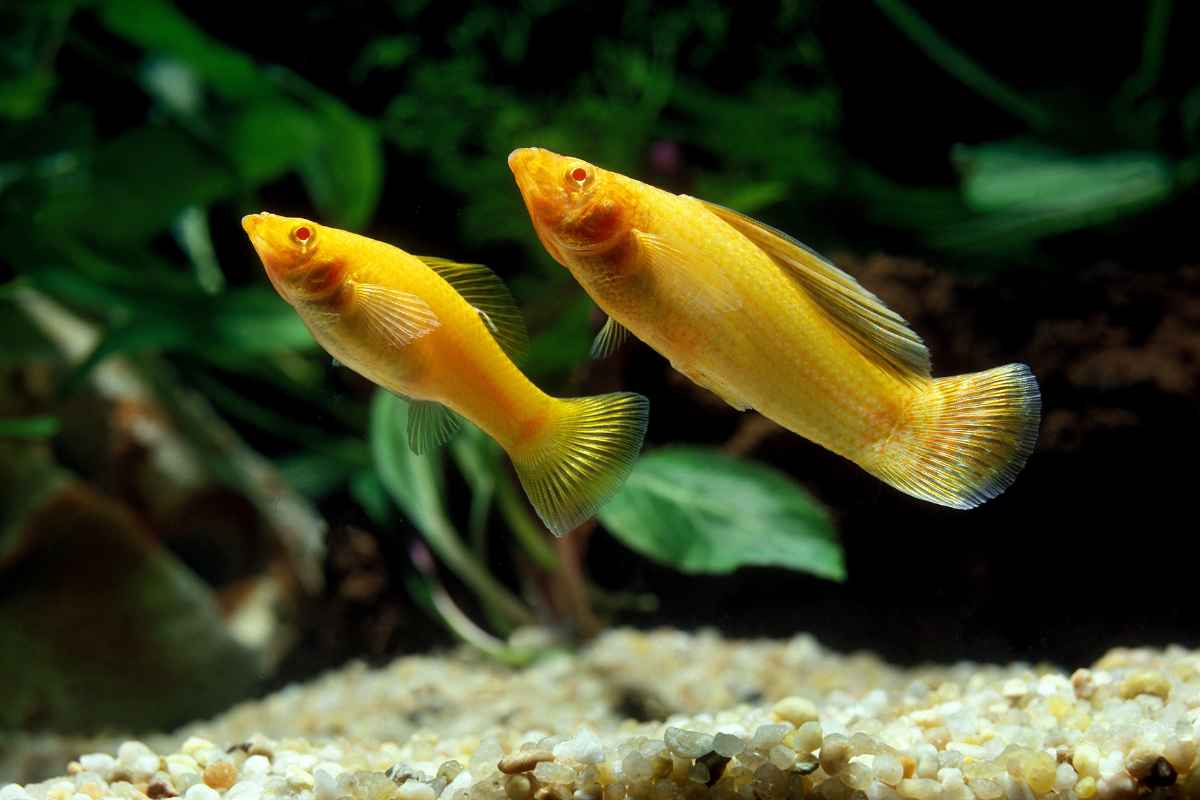
Training fish can be a fun and rewarding experience, but there are a few common mistakes to avoid:
Being too impatient: Fish learn at their own pace, and it’s important not to rush the process.
Using the wrong food: Fish can be picky eaters, and using the wrong type of food can hinder their training.
Ignoring their well-being: Always prioritize the health and comfort of your fish. A stressed fish won’t perform well and may even refuse to eat.
Conclusion: Embrace the Challenge and Have Fun!
Training your fish to do tricks is an exciting challenge that can deepen the bond between you and your aquatic pet.
With the right techniques, patience, and a little creativity, you’ll be able to teach your fish amazing tricks and enjoy the process of watching them learn.
Remember, the key to success is consistency, patience, and positive reinforcement. Over time, you’ll be amazed at what your fish can accomplish.
Start small, be patient, and enjoy the process. Your fish is capable of more than you might think – it’s time to see just what they can
We hope you enjoy this video about Fishes

Source: Amazing Animal Tricks
Did you find this post useful or inspiring? Save THIS PIN to your Pets Board on Pinterest!

You may also like