
- Urbaki Pets
- Reptiles
- Uromastyx, The Best Pet Lizard?
Uromastyx, The Best Pet Lizard?

16/01/2024 · Updated on: 18/09/2025

If you're considering adding a reptile to your home, the Uromastyx, often called the spiny-tailed lizard, may be the perfect choice.
Known for their friendly demeanor and stunning appearance, these lizards are a popular choice among reptile enthusiasts.
In this guide, we'll walk you through everything you need to know about keeping a Uromastyx as a pet, including their habitat, diet, and special care requirements.
Understanding the Uromastyx

Uromastyx lizards belong to the family Uromastycidae and are native to the deserts of North Africa, the Middle East, and parts of South Asia.
These lizards are known for their unique, spiny tails and their ability to thrive in hot, arid environments.
There are several species of Uromastyx, but the most common ones kept as pets are Uromastyx geyri, Uromastyx thomasi, and Uromastyx ornata.
They are primarily herbivores, feeding on a variety of plants, and they can live up to 20 years in captivity with proper care.
One of the reasons Uromastyx are so loved by reptile enthusiasts is their calm nature and the possibility of socializing them with their owners.
However, they require specific care, so it’s important to be well-prepared before bringing one into your home.
Setting Up the Perfect Habitat
Creating an ideal habitat for your Uromastyx is essential for its health and longevity.
These lizards need a spacious environment with the right temperatures, humidity levels, and lighting to thrive.
Tank Size and Layout

Uromastyx lizards are active, ground-dwelling creatures, so they require a large terrarium to move freely.
A 40-gallon tank is the minimum recommended size for one adult, but larger is always better.
A 75-gallon tank will provide more room for your lizard to roam.
The enclosure should include a mix of flat rocks, hide spots, and climbing structures, as Uromastyx enjoy both basking and exploring.
A substrate of ceramic tiles, newspaper, or reptile carpet is ideal, as it’s easy to clean and doesn’t pose a risk of impaction, which can happen if the lizard ingests sand or loose bedding.
Temperature and Lighting
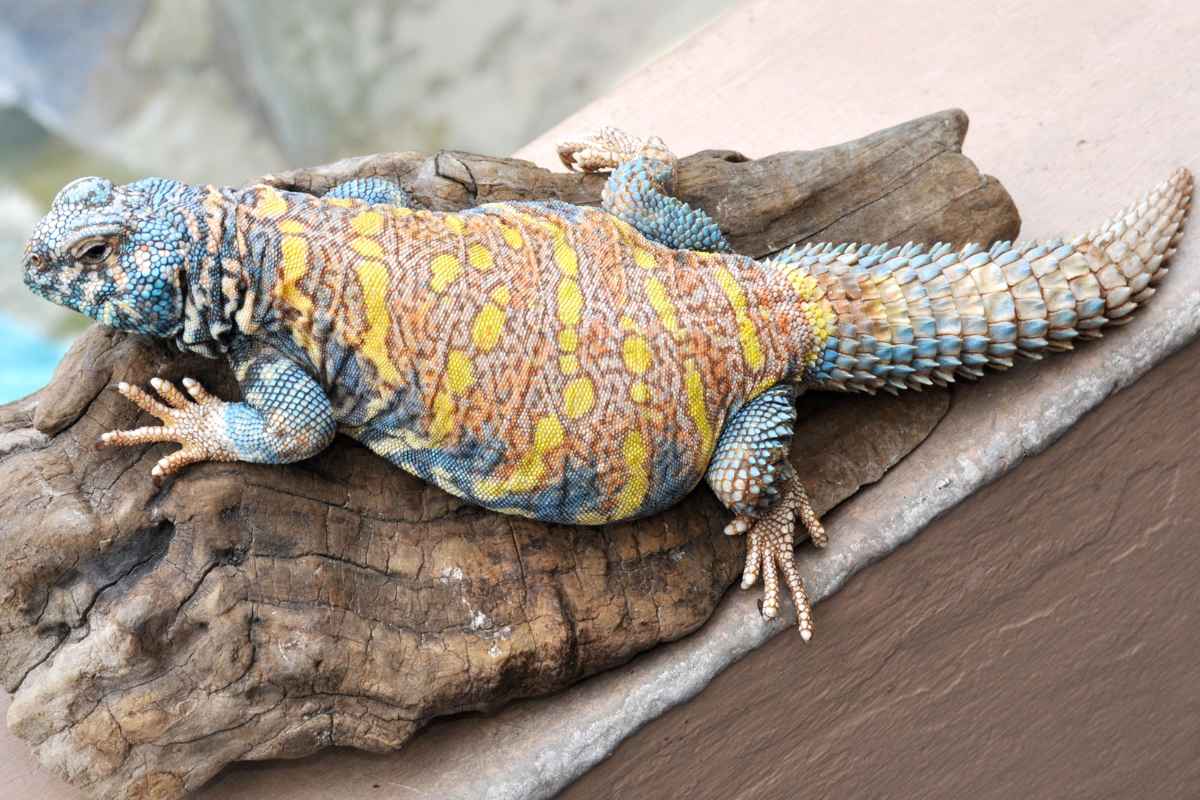
Since Uromastyx lizards are native to desert environments, they require high temperatures to stay healthy.
The basking area should be heated to around 110-130°F (43-54°C), while the cooler side of the enclosure should remain between 80-85°F (27-29°C).
A temperature gradient allows your pet to regulate its body temperature effectively.
Proper UVB lighting is crucial for their health. A T5 UVB bulb (like the Arcadia 14%) should be installed to help your Uromastyx synthesize vitamin D3, which is necessary for calcium absorption. A 12-hour light cycle will mimic natural daylight and help maintain a healthy circadian rhythm.
Humidity Levels
Uromastyx lizards prefer low humidity levels, typically between 20-40%.
This can be achieved by ensuring the terrarium is well-ventilated and not over-watering plants.
Too much humidity can lead to respiratory issues and skin problems.
Feeding Your Uromastyx: The Right Diet
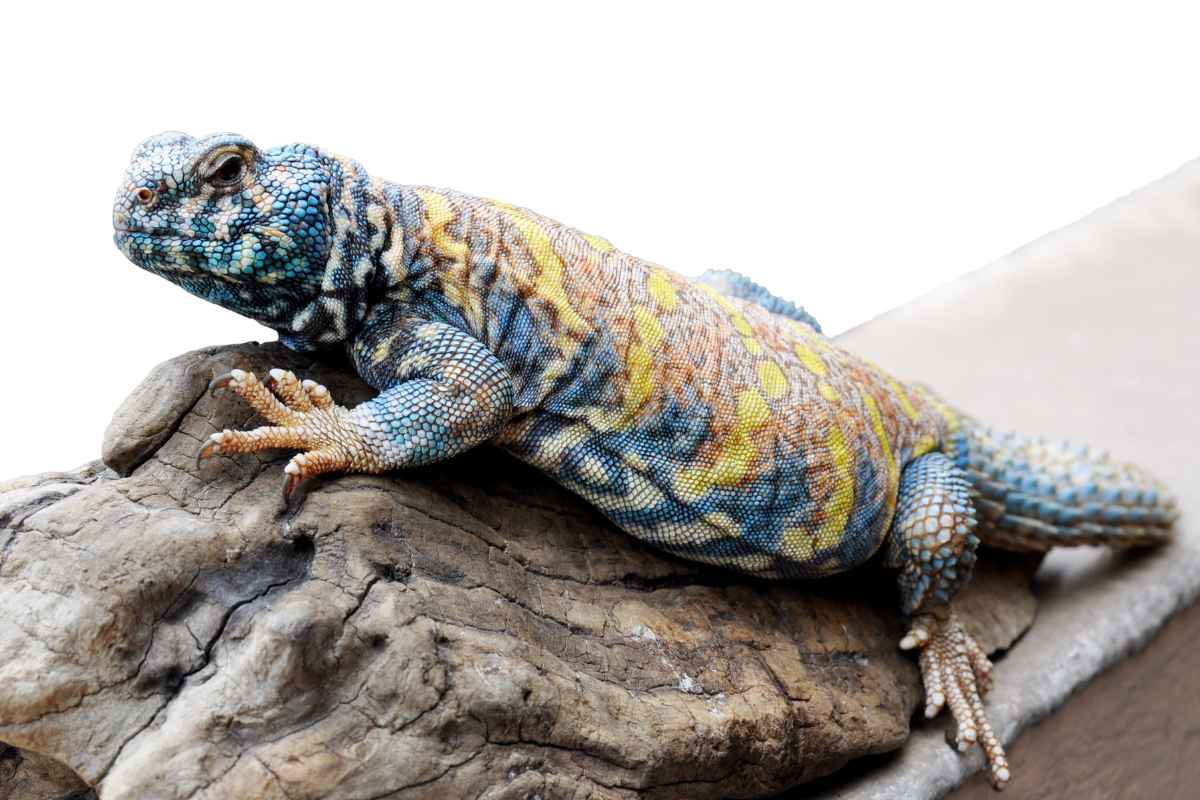
Uromastyx are strict herbivores, and their diet plays a key role in their health and longevity.
They primarily feed on leafy greens, flowers, and some fruits, and their diet should reflect the variety of foods they would eat in the wild.
Essential Foods
Some great staples to feed your Uromastyx include:
Dark leafy greens: kale, collard greens, mustard greens, and dandelion greens
Herbs: parsley, cilantro, and basil
Vegetables: squash, carrots, bell peppers, and okra
Flowers: hibiscus and dandelion flowers
Fruits (in moderation): figs, melons, and berries
Supplementing Their Diet
To ensure your Uromastyx gets the proper nutrients, you should supplement their diet with calcium powder two to three times a week.
A multivitamin supplement with vitamin D3 should be used once a week to help with overall health. It's crucial to avoid feeding them high-protein foods, such as insects, as this can cause kidney damage in the long term.
Hydration
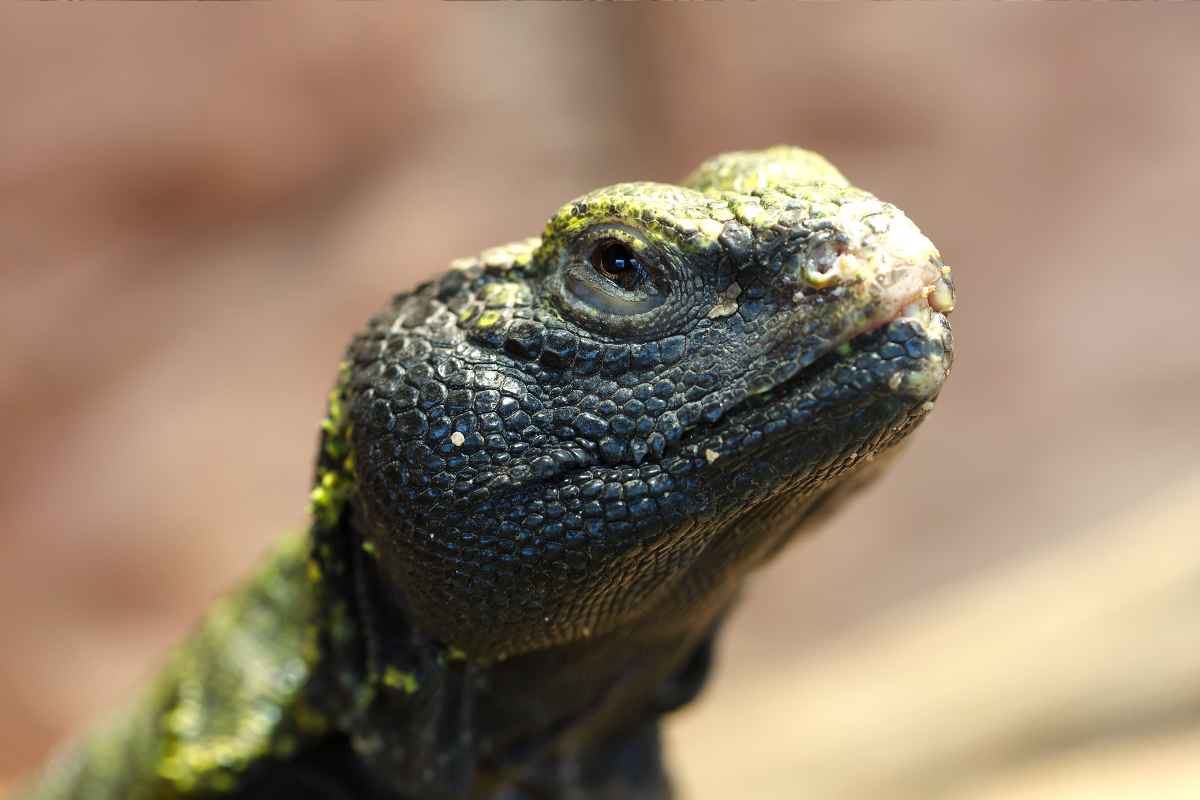
Although Uromastyx are desert dwellers, they still require access to fresh water at all times.
You can provide a shallow water dish, but keep in mind that they are not likely to drink from it frequently.
Some owners opt to mist their lizards lightly once a week to encourage drinking, but avoid over-wetting the habitat, as it could lead to mold growth or excessive humidity.
Handling and Socialization
Uromastyx lizards are generally gentle and calm, making them great pets for owners who are looking for a more interactive reptile.
While they may be shy at first, they can be socialized with consistent handling.
Building Trust
The key to building trust with your Uromastyx is patience.
Start by offering your hand in the enclosure and allowing them to get accustomed to your presence.
Once they are comfortable, you can begin gently picking them up. Always support their body properly, and avoid gripping them too tightly, as they are delicate creatures.
Handling Tips
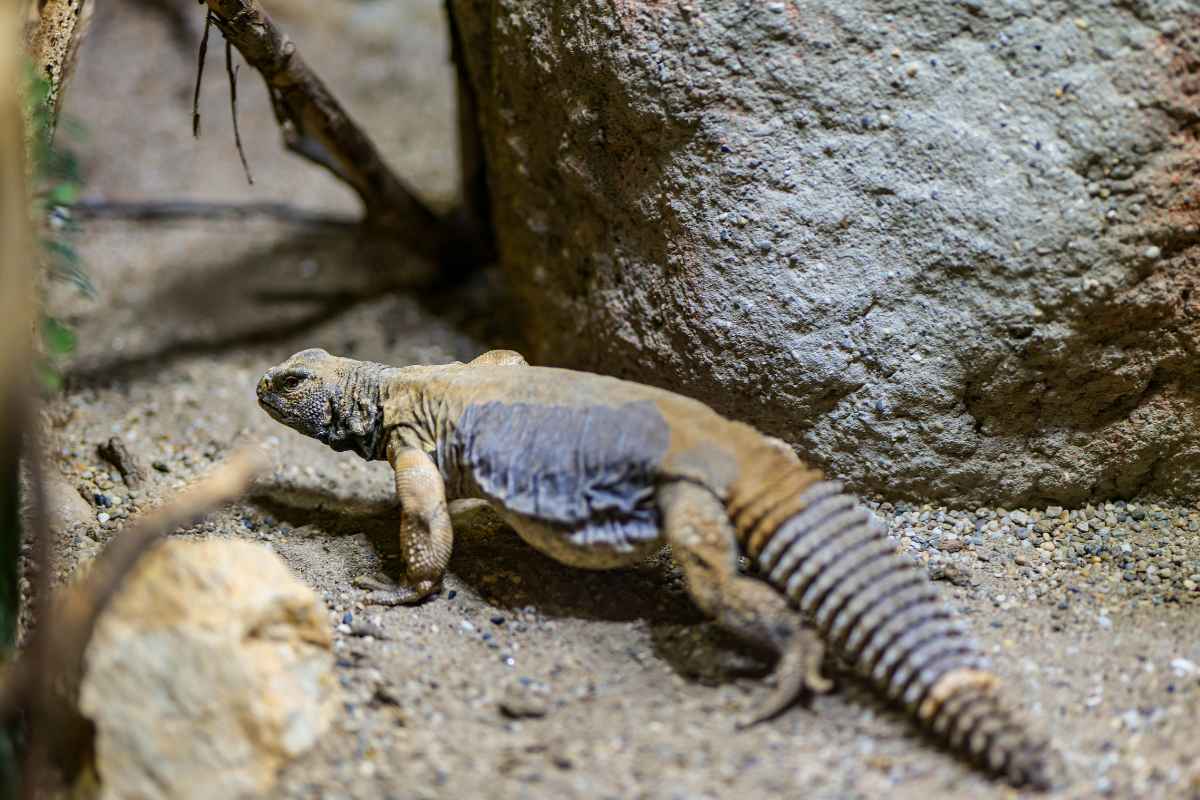
Keep handling sessions short at first, no more than 10-15 minutes.
Provide treats or food rewards during handling to create positive associations.
Respect their space: If your Uromastyx seems stressed or hides from you, don’t force interaction.
Health and Wellness
Like all reptiles, Uromastyx lizards can suffer from various health issues if their care is neglected.
Some common problems include metabolic bone disease (due to inadequate UVB lighting or calcium deficiencies), respiratory infections (due to excessive humidity), and impaction (from ingesting inappropriate substrates).
Signs of a Healthy Uromastyx
Active and alert, particularly during the day
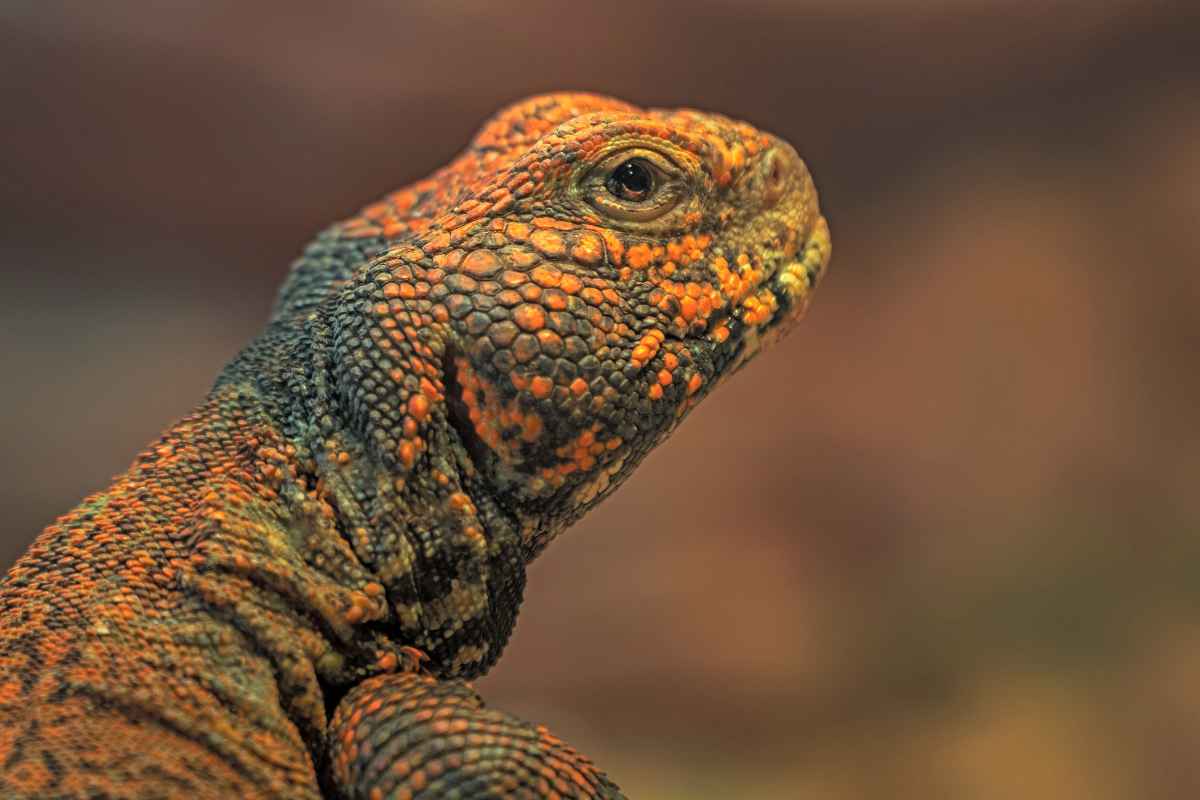
A well-fed appearance with bright skin coloration
Regular shedding, with the skin coming off in clean patches
Eating and drinking regularly
Signs of Illness
Lethargy: If your Uromastyx is sleeping excessively or moving sluggishly, this could indicate a health issue.
Loss of appetite: A sudden loss of appetite could be a sign of stress or illness.
Abnormal shedding: If your Uromastyx is having difficulty shedding, or if there are patches of old skin left behind, it might be a sign of dehydration or health problems.
If you notice any of these symptoms, it’s essential to consult with a reptile veterinarian as soon as possible.
Conclusion: Is the Uromastyx the Right Pet for You?
The Uromastyx is a fascinating and relatively low-maintenance pet for reptile enthusiasts.
Their unique appearance and calm demeanor make them an appealing choice for those willing to meet their specific care needs.
By providing the right habitat, diet, and socialization, your Uromastyx can live a long, healthy, and happy life as part of your family.
Before adopting a Uromastyx, be sure that you have the time, space, and resources to meet their needs.
With proper care, these stunning lizards can make an excellent addition to your home, offering years of companionship and delight.
We hope you enjoy this video about Reptiles

Source: Clint's Reptiles
Did you find this post useful or inspiring? Save THIS PIN to your Pets Board on Pinterest!

Urbaki Editorial Team is the collaborative byline behind our pet-care guides. Our writers and editors turn evidence and real-life experience into clear, humane advice on training, wellbeing, nutrition basics, and everyday life with animals. Every article is planned, written, and edited by humans, fact-checked against reputable veterinary sources, and updated over time. This is an editorial pen name—see our Editorial Policy. Educational only; not a substitute for veterinary advice.
You may also like