
What to do When you Bring a New Snake Home!


Bringing a new snake into your home is a thrilling experience, but it’s also a big responsibility. Unlike cats and dogs, snakes require specific care tailored to their species and individual needs.
This comprehensive guide will walk you through each step, from setting up your snake's new habitat to understanding their behavior and health needs.
By following these detailed instructions, you'll help ensure your snake’s successful transition into its new home and keep it healthy and happy for years to come.
Preparing the Environment Before Your Snake Arrives
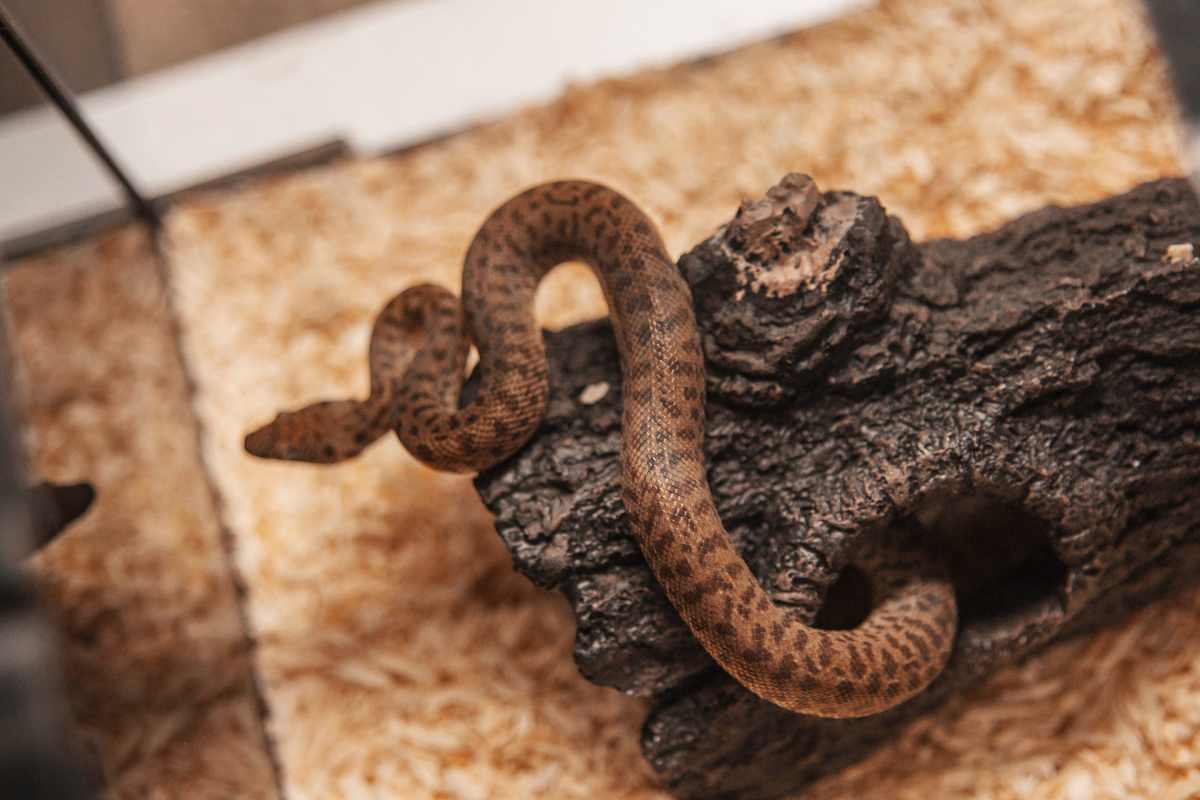
Before your snake arrives, setting up the proper habitat is essential to ensure they feel safe and comfortable from the moment they enter your home.
Choosing the Right Terrarium Size and Type
The first step is selecting the right terrarium or enclosure. The size and type of terrarium you choose will depend on your snake's species, size, and activity level. Here’s what to consider:
Size: A snake should have a terrarium that’s at least one and a half times its length. If your snake is still growing, ensure the tank allows for further expansion.
Type: Most snakes do well in a glass or acrylic terrarium, but some species may prefer plastic enclosures. Ensure the terrarium is secure, with a tightly fitting lid to prevent escapes.
Temperature Regulation and Heat Gradient
Snakes are ectothermic, meaning their body temperature is regulated by their environment. Proper temperature control is essential for their digestion, immune function, and overall health.
Heat Gradient: Your terrarium should have a temperature gradient—one side should be warmer and the other cooler. This allows your snake to regulate its body temperature by moving between the two areas.
The warm side should be between 80-85°F (27-29°C), while the cooler side should stay between 70-75°F (21-24°C).
Heating Elements: Use heat pads, heat lamps, or ceramic heat emitters to provide warmth. Never place a heat source directly under the tank or expose your snake to direct sunlight.
Tip: Use a thermometer to monitor temperatures and ensure they remain consistent. A digital thermometer with a probe is ideal for accurate readings.
Humidity and Ventilation
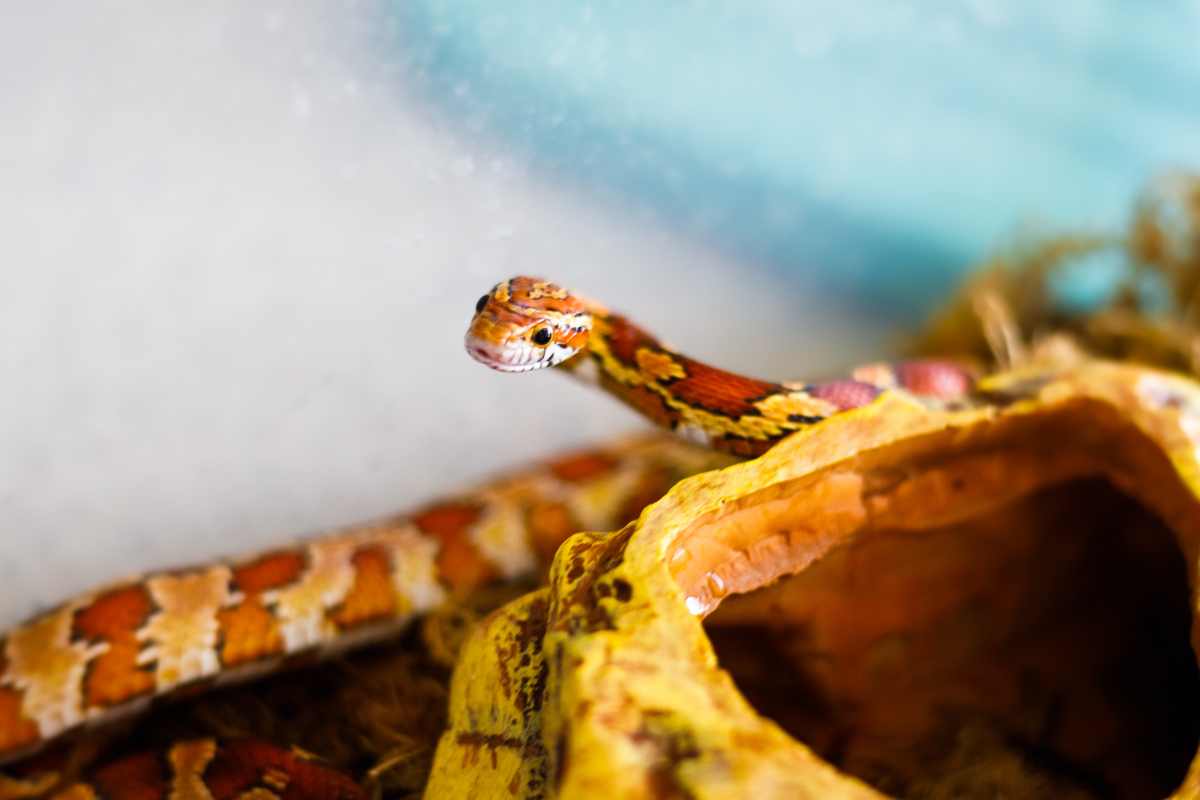
Humidity is just as important as temperature for many species. Some snakes need high humidity, while others do better in drier environments.
Humidity Range: The ideal humidity level typically ranges between 40-60%, but species like ball pythons or green tree pythons may require higher humidity (around 60-80%).
Measuring Humidity: Use a hygrometer to monitor humidity levels. You can increase humidity by adding a shallow water dish or misting the substrate occasionally.
Avoid excessive moisture, as this can cause mold growth or respiratory issues.
Substrate Selection
Choosing the right substrate for your snake’s habitat is critical for their comfort and health. The substrate should be absorbent, easy to clean, and safe for your snake.
Coconut husk: Helps maintain humidity and is comfortable for most snake species.
Aspen shavings: Absorb moisture well, making them a great choice for many species.
Reptile carpet: Safe and easy to clean, though some snakes may not enjoy the texture.
Avoid substrates like cedar or pine, as they can be harmful due to aromatic oils that irritate snakes’ respiratory systems.
Creating Hiding Spots and Enrichment
Snakes are solitary and secretive animals that need secure places to hide. Creating multiple hiding spots within the terrarium is essential for their comfort.
Use rocks, hollow logs, or ceramic hides that your snake can crawl into. Be sure to have one on the warm side and one on the cool side of the tank.
Add climbing branches or other enrichment items based on your snake’s species. This will allow them to mimic their natural environment, promoting physical and mental health.
Adjustment Period: The First 5 to 7 Days
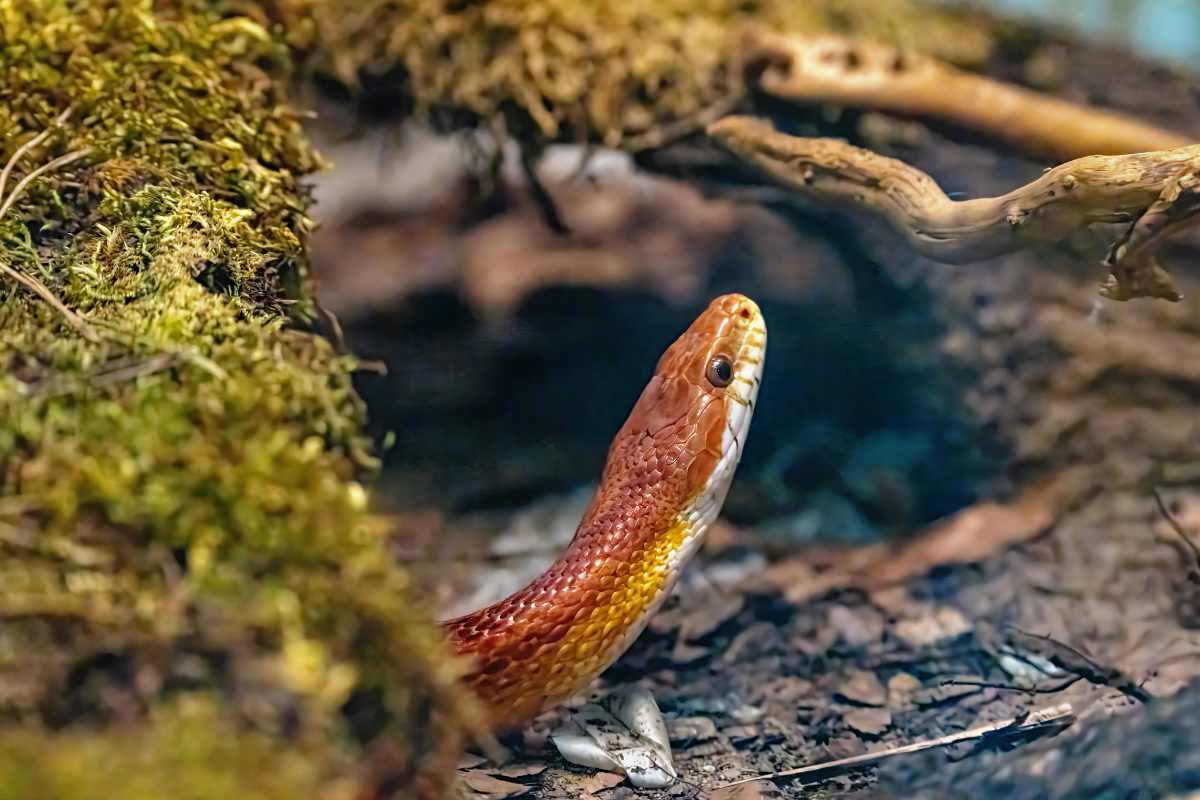
Once you bring your snake home, the adjustment period is crucial for reducing stress. This period typically lasts 5-7 days, during which you should minimize interactions.
Place the Terrarium in a Quiet Area
The location of your snake’s terrarium will play a big role in its adjustment.
Place the tank in a low-traffic, quiet area of your home, away from loud noises and sudden movements. This will help your snake feel secure and reduce unnecessary stress during this sensitive period.
Minimize Handling
During the first few days, avoid handling your snake unless absolutely necessary. Snakes are highly sensitive to stress, and the initial days are about allowing them to settle into their environment.
Over-handling can disrupt their acclimatization and cause unnecessary anxiety.
Wait for at least 5-7 days before handling your snake, giving it time to acclimate to its new home.
Monitor behavior: If your snake hides or avoids coming out, respect its space and allow it to explore at its own pace.
Gradual Introduction to Handling
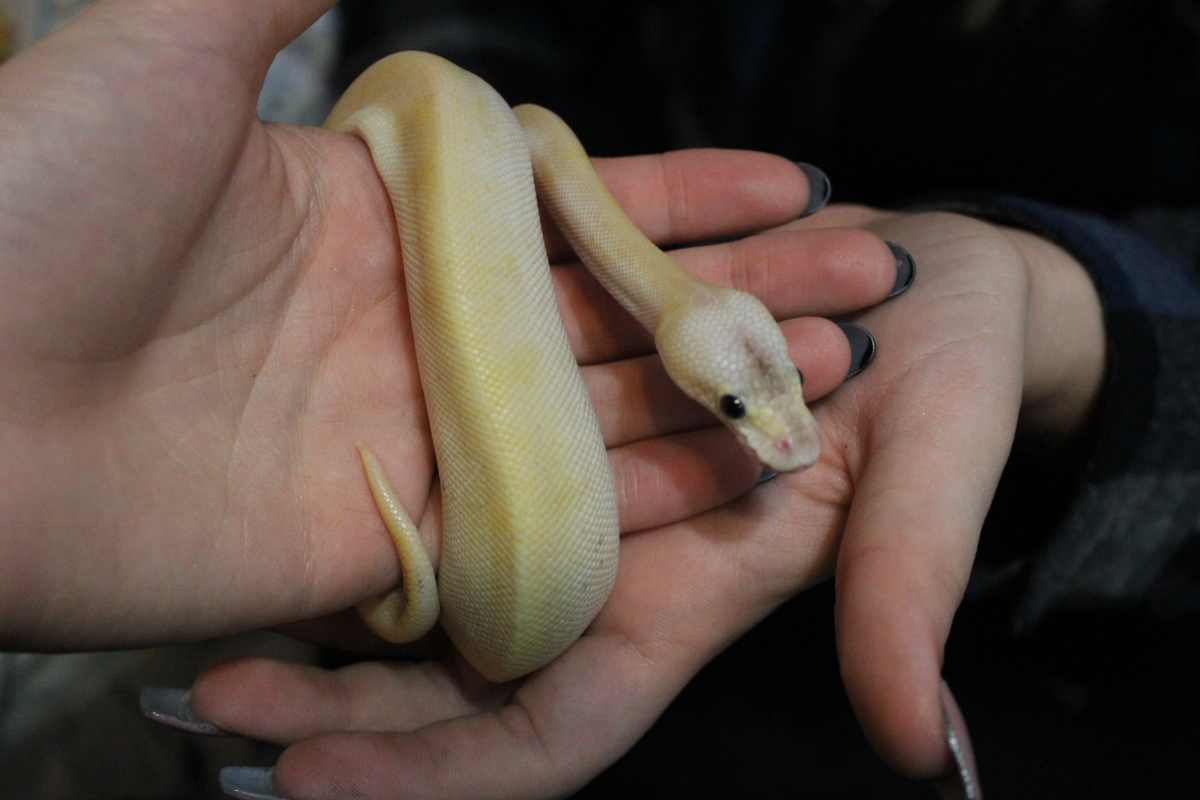
Once your snake has adjusted to its new environment, it’s time to begin handling. However, it's important to approach this step carefully.
Start Slowly and Gently
When handling your snake for the first time, start with short sessions of about 10-15 minutes. Hold your snake gently but securely, avoiding any sudden or rough movements.
Support its entire body: Unlike mammals, snakes feel more secure when their entire body is supported. Never grab them by the head or tail.
Watch for signs of stress: If your snake begins to show signs of discomfort—like trying to escape or hissing—immediately return it to its terrarium.
Handling Tips for Long-Term Success
Gradual increase in handling time: As your snake becomes more comfortable with you, increase the length of your handling sessions.
Observe your snake’s body language: Learn to read your snake’s behavior, and always respect its boundaries.
Feeding Your Snake
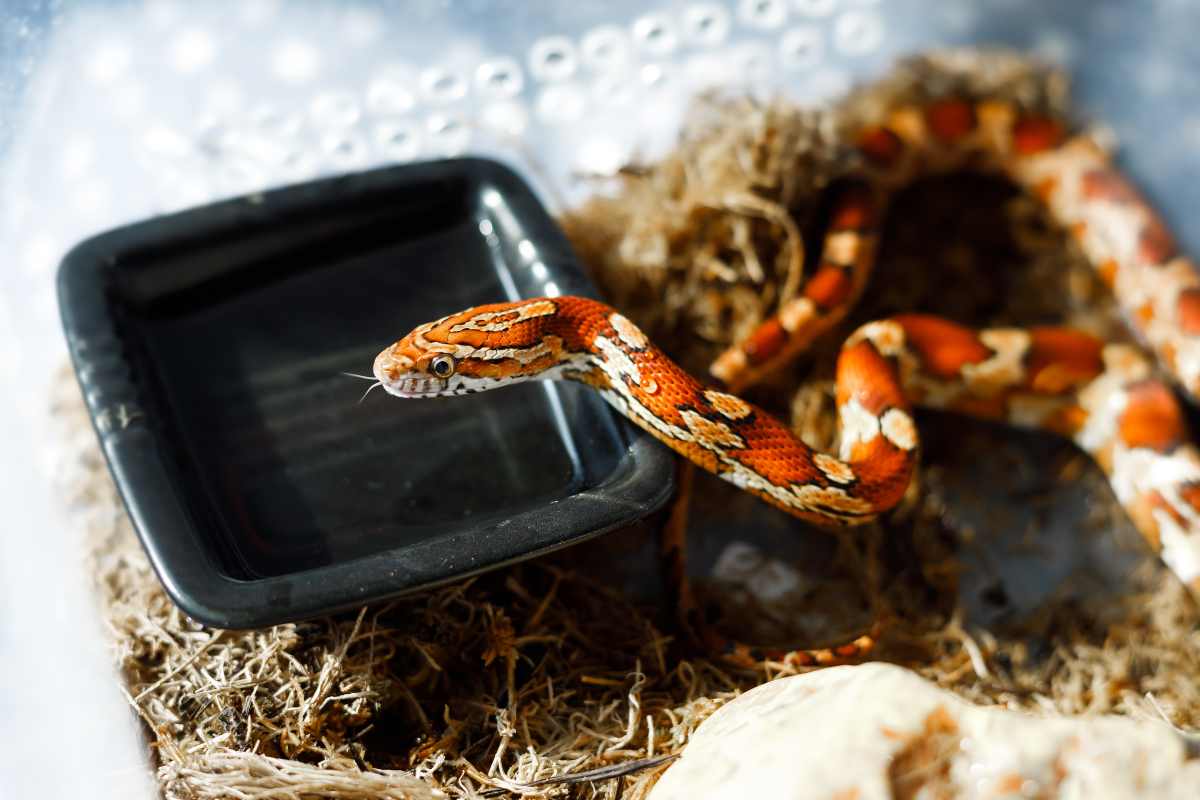
Feeding your snake properly is essential for its growth and well-being. Follow these guidelines to ensure you're offering the right food and feeding practices.
Feeding Frequency and Prey Size
The frequency with which you feed your snake depends on its age and size. Typically:
Baby snakes eat once a week.
Adult snakes usually eat every two weeks.
Ensure the prey you offer is appropriately sized. The general rule is that the prey should be no larger than the widest part of your snake’s body. If you offer prey that’s too large, it can cause digestive issues.
Types of Prey
Most snakes eat rodents like mice or rats. However, some species may prefer other types of prey, such as birds, fish, or amphibians.
Frozen-thawed prey is always the safest option, as live prey can injure your snake.
Ensure that you thaw frozen prey completely before feeding it to your snake.
Feeding Tips
Feed in the terrarium: This minimizes stress, and your snake can eat in a more natural setting.
Avoid handling before and after feeding: Snakes need time to digest their food, so avoid handling them for at least 24-48 hours after they’ve eaten.
Health Monitoring and General Care
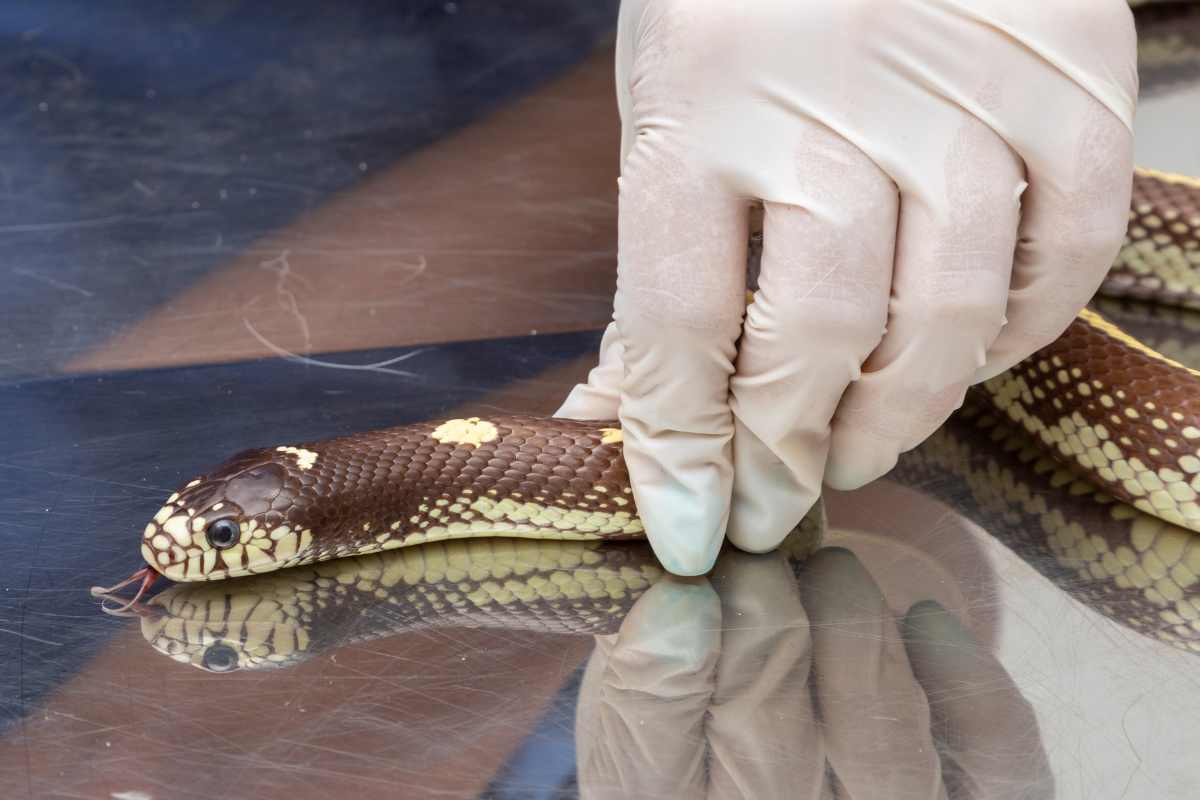
Keeping your snake healthy is crucial to its well-being. Watch for signs of illness and ensure regular care.
Signs of Stress or Illness
Lethargy or lack of movement: If your snake is unusually sluggish or inactive, it may be stressed or ill.
Loss of appetite: If your snake refuses food for an extended period, it could indicate stress, improper temperature, or a health issue.
Skin issues: A snake’s skin should look smooth and shiny. If it appears dull or is shedding abnormally, it may be a sign of dehydration or illness.
Maintaining Hygiene
Cleanliness is key to preventing disease and ensuring your snake remains healthy:
Spot clean daily: Remove any waste, uneaten food, or shed skin to keep the habitat clean.
Full cleaning weekly: Every week, remove the substrate, clean the water bowl, and disinfect the terrarium.
Regular Veterinary Checkups
Schedule a veterinary checkup with a reptile specialist to ensure your snake’s health. A professional can provide advice on care, feeding, and health concerns.
Conclusion: The Rewards of Snake Care

Caring for a new snake is a rewarding and fulfilling experience.
By preparing their habitat properly, minimizing stress during their adjustment period, and providing the right food and care, you’ll be setting your snake up for a long, healthy life.
Remember that patience is key—as your snake becomes more comfortable with you, your bond will grow, and you’ll both enjoy many years together.
Enjoy This Video Tutorial About Reptiles

Source: Snake Discovery
Did you find this post useful or inspiring? Save THIS PIN to your Pets Board on Pinterest! 😊

You may also like