
Cat's Got Your Heartstrings: 16 Emotional Triggers to Avoid for a Happy Cat


Cats are fascinating creatures with unique personalities. They can be loving companions, but they also have their quirks and emotional needs.
As a cat owner, understanding and meeting your feline friend's emotional needs is essential for ensuring they stay healthy and happy.
Avoiding common emotional triggers is one of the best ways to foster a strong bond with your cat and provide them with a fulfilling life.
In this guide, we’ll explore 16 emotional triggers that can negatively affect your cat and how you can avoid them to create a calmer, happier environment for your furry friend.
1. Ignoring Their Personal Space
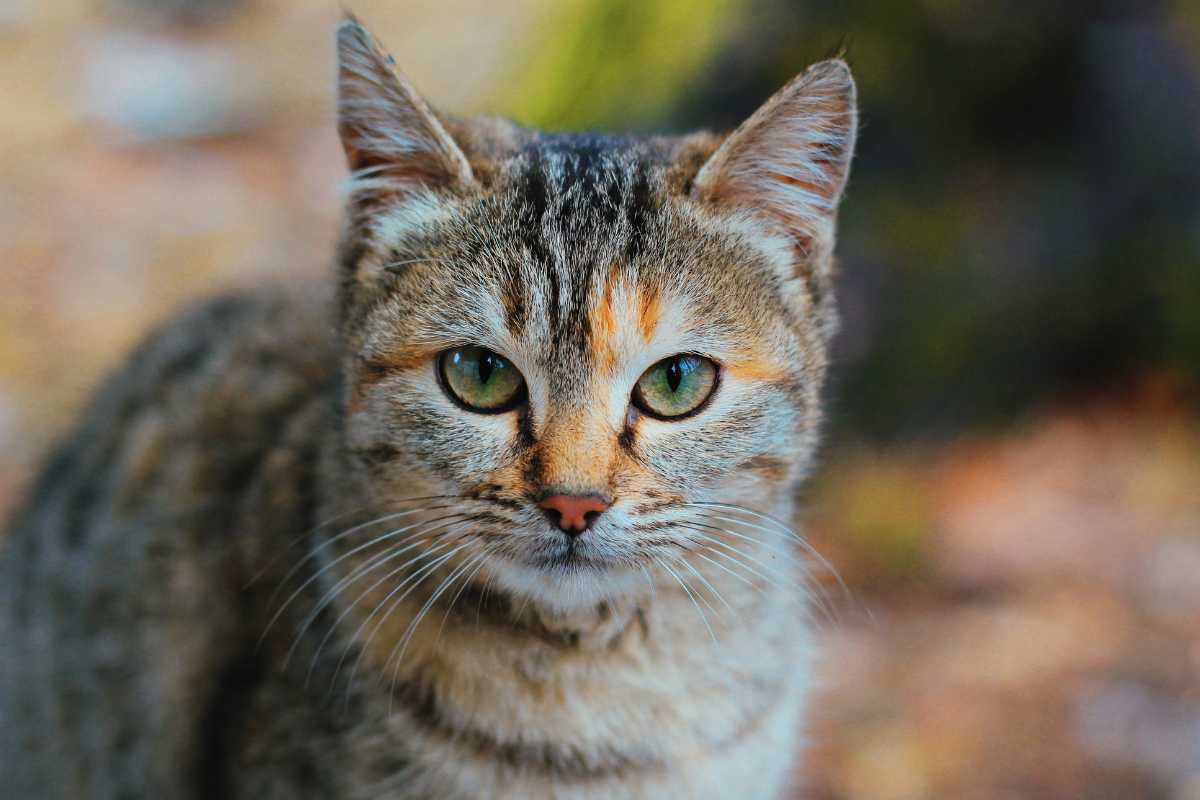
Cats are independent animals that need their personal space. Invading their space can cause them stress and anxiety.
Unlike dogs, cats don’t always enjoy being constantly petted or handled. Respecting their boundaries is essential for their emotional well-being.
Why It Matters
When a cat feels crowded or trapped, it can lead to aggressive behavior or withdrawal. Understanding when your cat needs some alone time will help them feel safe and secure.
2. Overstimulation

While playing with your cat is essential for their well-being, overstimulation can lead to frustration and anxiety. Cats are sensitive to the type of touch and intensity they experience during playtime.
How to Handle It
Watch for signs of overstimulation, like flicking tails or a sudden stop in play. If your cat seems irritated, give them space to calm down and resume play later.
3. Loud Noises and Sudden Movements

Cats have keen hearing, and loud noises or sudden movements can easily startle them. Unpredictable sounds like vacuum cleaners, thunderstorms, or even loud music can trigger a fight-or-flight response in your cat.
The Impact on Your Cat
Constant exposure to loud noises can lead to chronic stress and make your cat more fearful of their environment. Consider creating a quiet space for your cat to retreat to during loud situations.
4. Inconsistent Routines

Cats thrive on routine. Disrupting their daily patterns, such as changing feeding times or altering where they sleep, can cause confusion and anxiety.
Creating Stability
Stick to regular feeding times and keep their litter box and favorite resting spots consistent. Cats feel more secure when they can predict their environment.
5. Lack of Stimulation
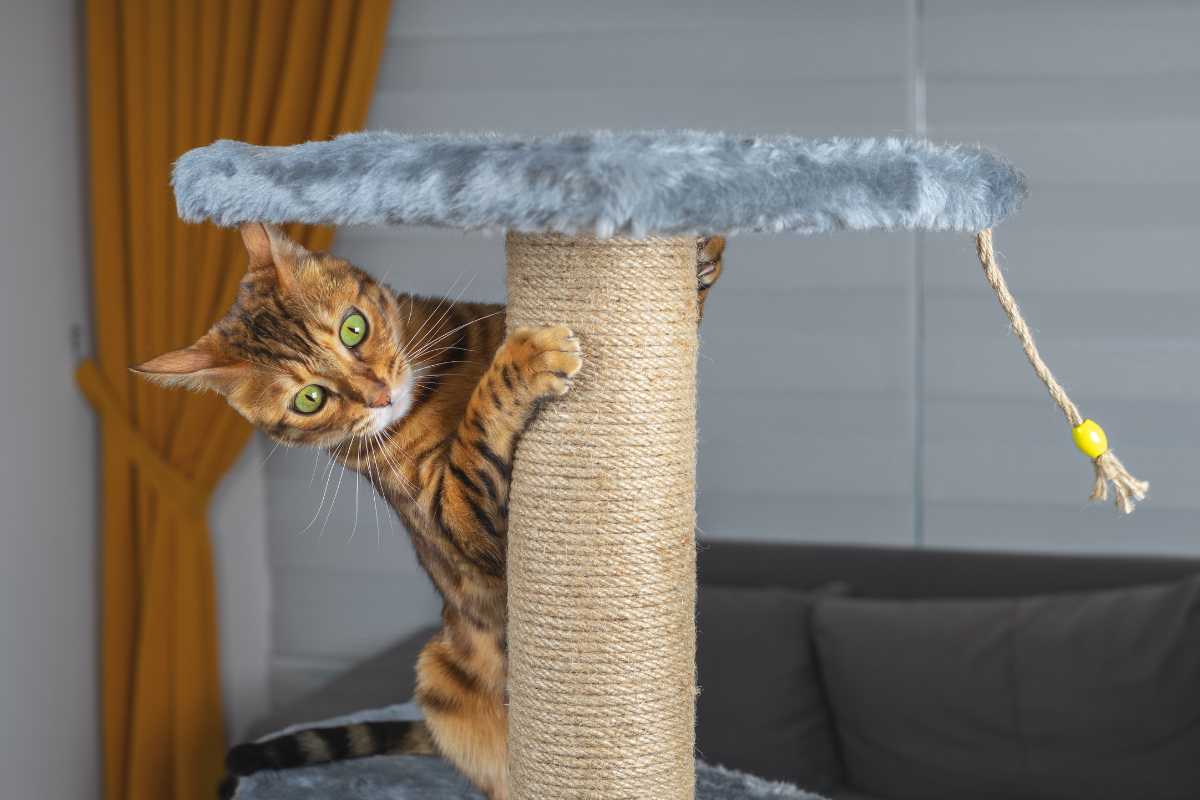
Cats are natural hunters, and without adequate mental and physical stimulation, they can become bored and frustrated. A lack of toys, climbing spaces, and interaction can lead to behavioral problems like excessive meowing or scratching.
Solutions to Keep Them Engaged
Provide interactive toys, cat trees, and regular play sessions to keep your cat mentally and physically stimulated. You can also rotate toys to keep things interesting.
6. Neglecting Their Grooming Needs
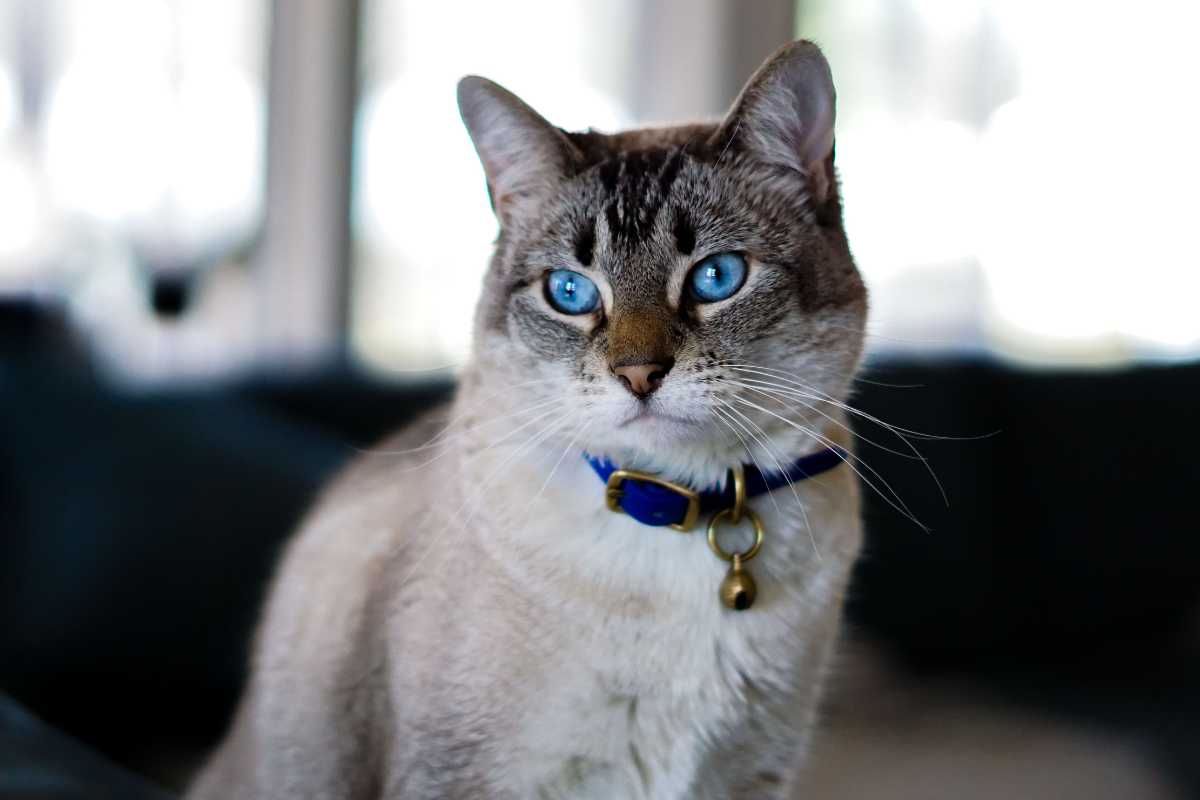
While cats are generally clean animals, some may need a bit of help with grooming. Neglecting your cat's grooming needs can cause discomfort and stress, especially in long-haired breeds that are prone to mats.
How Grooming Affects Their Mood
Regular brushing not only keeps your cat looking great but also helps them feel relaxed. It can also be a bonding activity that strengthens your relationship with your pet.
7. Punishing Instead of Rewarding
Cats don’t respond well to punishment. Unlike dogs, they don't always associate negative actions with a specific behavior. Punishing your cat can lead to fear, confusion, and even aggression.
Positive Reinforcement
Instead of punishment, focus on positive reinforcement. Reward good behavior with treats, affection, or playtime. This helps your cat understand what’s expected and reinforces a trusting bond.
8. Ignoring Their Social Needs

Cats may be independent, but they still need social interaction. Ignoring their need for companionship can lead to loneliness and stress. Some cats may seek affection from their owners, while others may enjoy the company of other pets.
Balancing Independence and Affection
Pay attention to your cat’s social cues. Some cats prefer short, quality interactions, while others may enjoy longer play sessions. Let your cat guide you in terms of how much attention they want.
9. Changing Their Environment Too Often
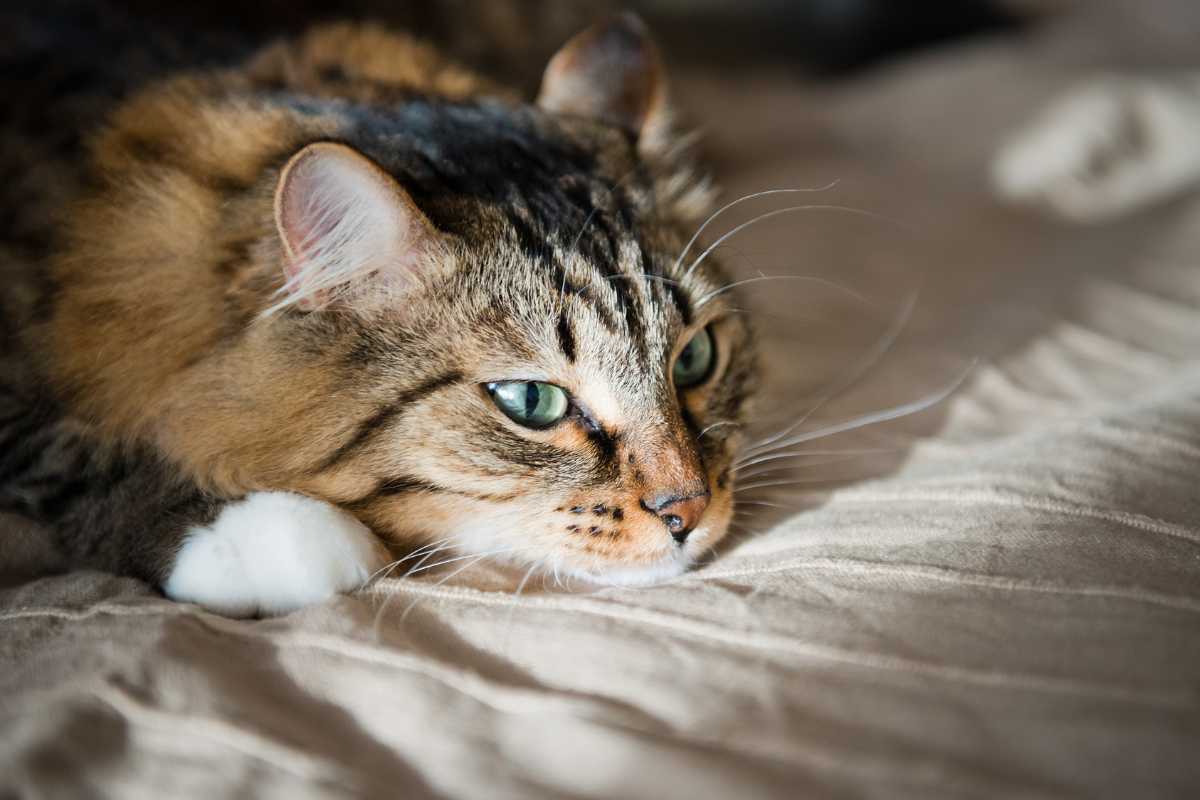
Frequent changes in their living space can disorient your cat. Moving furniture or changing their surroundings can make them feel insecure and anxious.
How to Create a Comfortable Space
Keep their favorite spots unchanged and introduce new items gradually. If you need to make changes, allow your cat to adjust at their own pace.
10. Not Providing Enough Hideaways
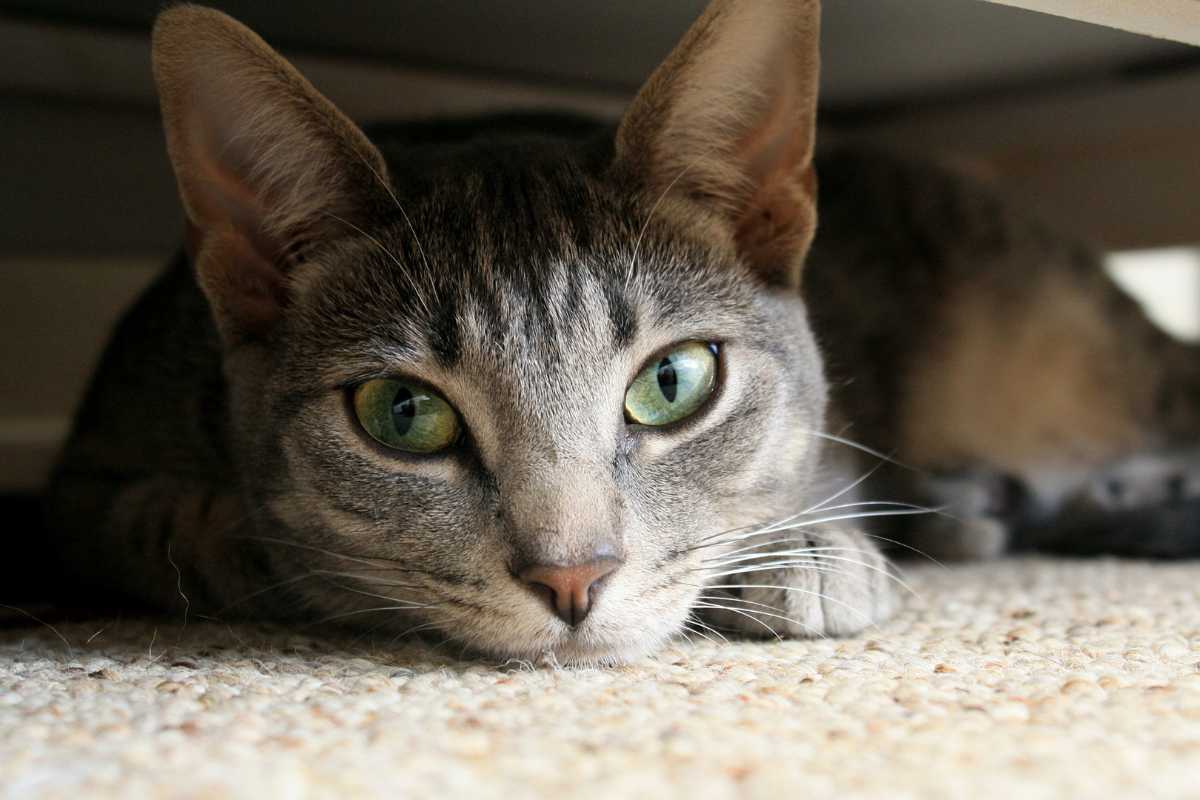
Cats love having a place to retreat to when they need rest or a break from the hustle and bustle of the household. Not providing enough hiding spots can make your cat feel exposed and unsafe.
Ideal Hideaways for Your Cat
Create cozy spots where your cat can hide and feel secure. This can be a covered cat bed, a box, or a secluded area in your home. This helps them feel more comfortable in their environment.
11. Inadequate Litter Box Care

A dirty litter box can be a significant source of stress for your cat. Cats are very particular about their bathroom habits, and a filthy litter box can lead to behavioral issues like inappropriate urination.
Keeping It Clean
Clean the litter box daily and ensure that it’s in a quiet, private location. Having multiple litter boxes in multi-cat households can help reduce stress and territorial behavior.
12. Forcing Interaction
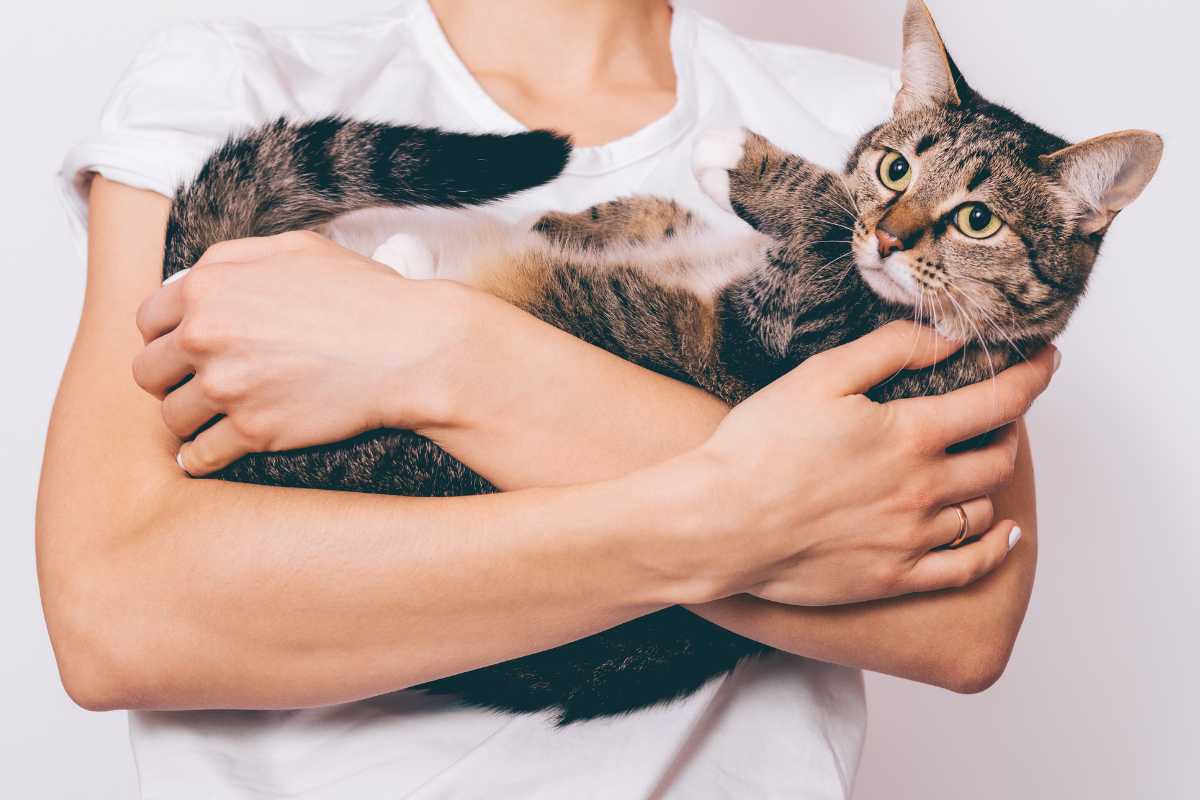
If your cat is not in the mood for affection or play, forcing them into interaction can cause them emotional distress. Respect your cat's boundaries and allow them to initiate interaction.
How to Read Their Body Language
Watch for signs that your cat wants affection, like purring or rubbing against you. If they retreat or swat at you, it’s time to back off and give them space.
13. Failure to Provide Adequate Nutrition
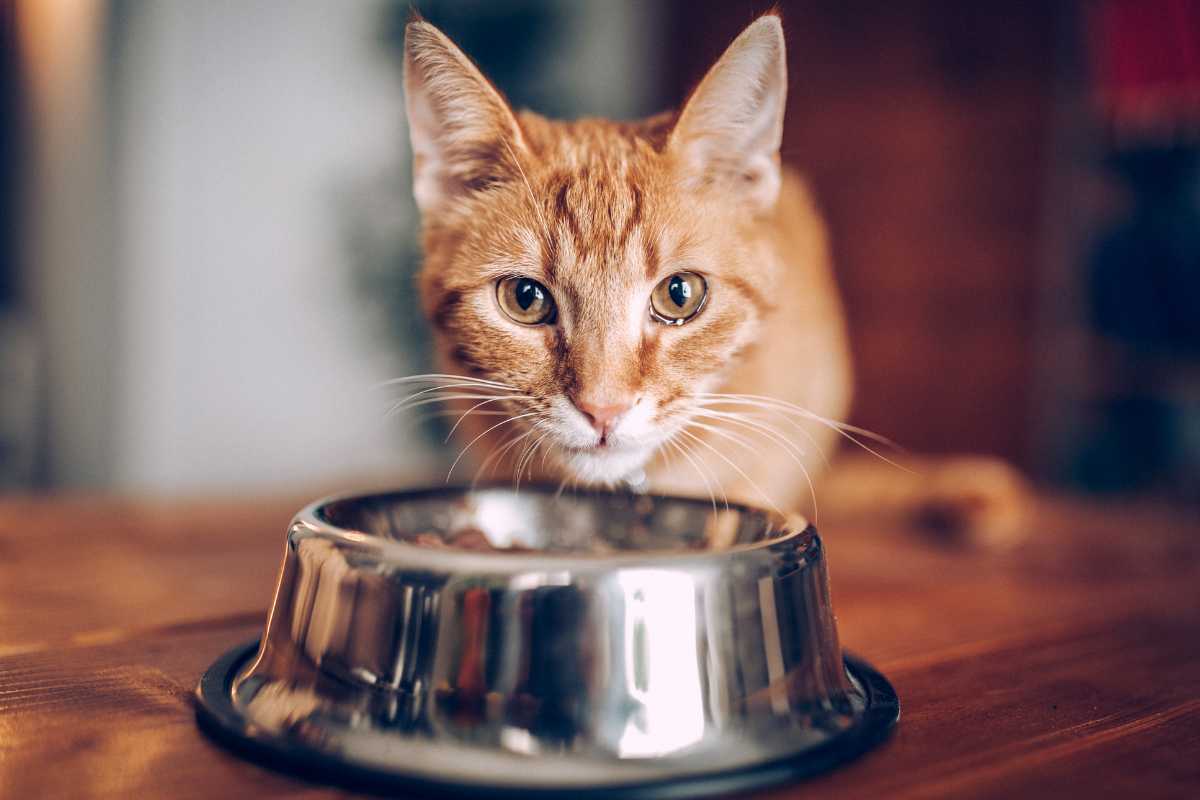
Cats are obligate carnivores, meaning they require a diet rich in animal-based proteins. Feeding them the wrong food can lead to health problems and emotional distress.
Choosing the Right Food
Ensure your cat is on a well-balanced diet suited to their age, health needs, and activity level. High-quality cat food will improve both their physical health and overall happiness.
14. Not Addressing Medical Issues Promptly
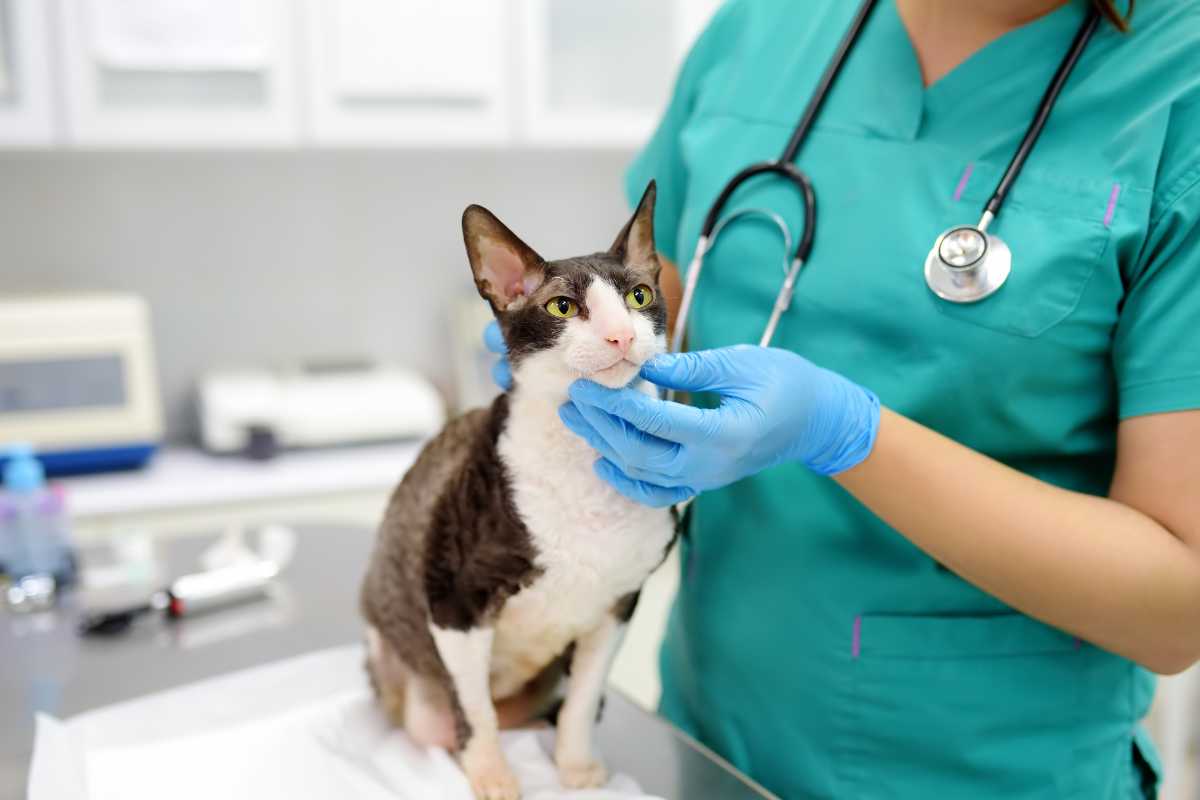
Cats are notorious for hiding pain and discomfort. Ignoring signs of illness can make your cat's stress worse and may lead to chronic conditions.
Keeping an Eye on Their Health
Regular veterinary check-ups are essential. Be vigilant for signs of illness, such as changes in appetite, litter box habits, or grooming patterns, and seek medical attention when necessary.
15. Allowing Stressful Interactions with Other Pets

Not all cats get along with other animals. Stressful interactions with dogs, other cats, or small pets can make your cat anxious or even aggressive.
Managing Multi-Pet Households
If you have multiple pets, supervise their interactions and give your cat a safe place to retreat if necessary. Gradual introductions can help foster a peaceful coexistence.
16. Overlooking Their Emotional Well-being

Lastly, remember that your cat’s emotional health is just as important as their physical health. Providing a peaceful environment, addressing their emotional needs, and bonding with them will ensure they lead a happy, fulfilled life.
Fostering Emotional Connections
Spend quality time with your cat, offer them affection when they want it, and respect their need for independence. These efforts will help strengthen your bond and ensure your cat feels secure.
Conclusion: A Happier Cat Awaits

By understanding and avoiding these 16 emotional triggers, you can create a healthier and happier environment for your cat.
Cats are unique creatures with their own emotional needs, and by respecting their boundaries and offering a supportive, calm environment, you’ll ensure that they feel safe, loved, and secure.
Your cat’s emotional well-being plays a huge role in their overall health, so pay attention to the signs they give you and respond with compassion.
With patience, care, and understanding, you’ll build a strong and lasting relationship with your feline friend.
Enjoy The Video About Cats

Source: Jaw-Dropping Facts
Did you find this post useful or inspiring? Save THIS PIN to your Pets Board on Pinterest!

You may also like