
Chartreux Cat: Personality, Care and Health Guide


This post contains affiliate links. As an Amazon Associate, Urbaki Pets earns from qualifying purchases, at no extra cost to you.
The Chartreux cat is a sturdy, quiet French breed with a woolly blue-gray coat and copper-to-gold eyes. Most Chartreux are calm, loyal and gentle, bond closely with one or two people, and need only weekly brushing, regular play and a portion-controlled diet to stay healthy.
If you're thinking about adding one to your family, or you already share your home with this "smiling" gray cat, here's what to know about the breed's history, personality, grooming, health and day-to-day care.
Chartreux Cat at a Glance
- Origin: France
- Size: Medium to large, with a solid, muscular body on fine-boned legs. Males are usually noticeably bigger than females.
- Coat: Short, dense, slightly woolly double coat in one color only: blue-gray, from ash to slate.
- Eyes: Copper, orange or gold.
- Personality: Calm, observant, affectionate, quiet.
- Lifespan: Commonly 12 to 15 years with good care.
- Grooming: Low to moderate; more during seasonal sheds.
- Good for: Apartments, families with respectful kids, first-time owners who want a relaxed cat.
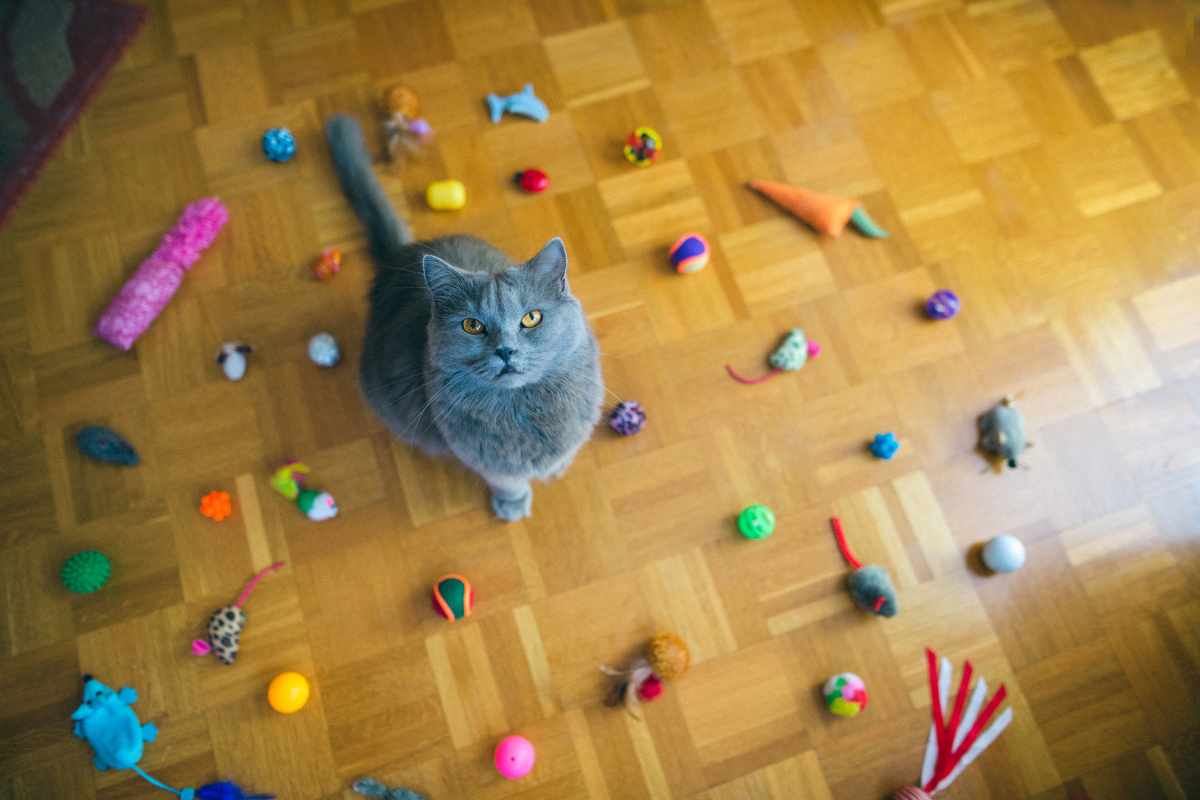
A Short History of the Chartreux
The Chartreux has lived in France for centuries. It was valued on farms and in homes as a skilled mouser, and its thick coat helped it cope with cold, damp winters. A popular legend links the breed to the Carthusian monks of the Grande Chartreuse monastery, although historians have never confirmed that story.
What is clear is that the breed nearly disappeared during the first half of the 20th century. Dedicated French breeders worked to preserve it, and the Chartreux later reached North America, where it is still considered fairly rare. If you love gray cats in general, you may also enjoy our guide to the most iconic gray cat breeds.
Appearance: How to Recognize a Chartreux
People often mix up the Chartreux with the Russian Blue and the British Shorthair. A few features make it stand out:
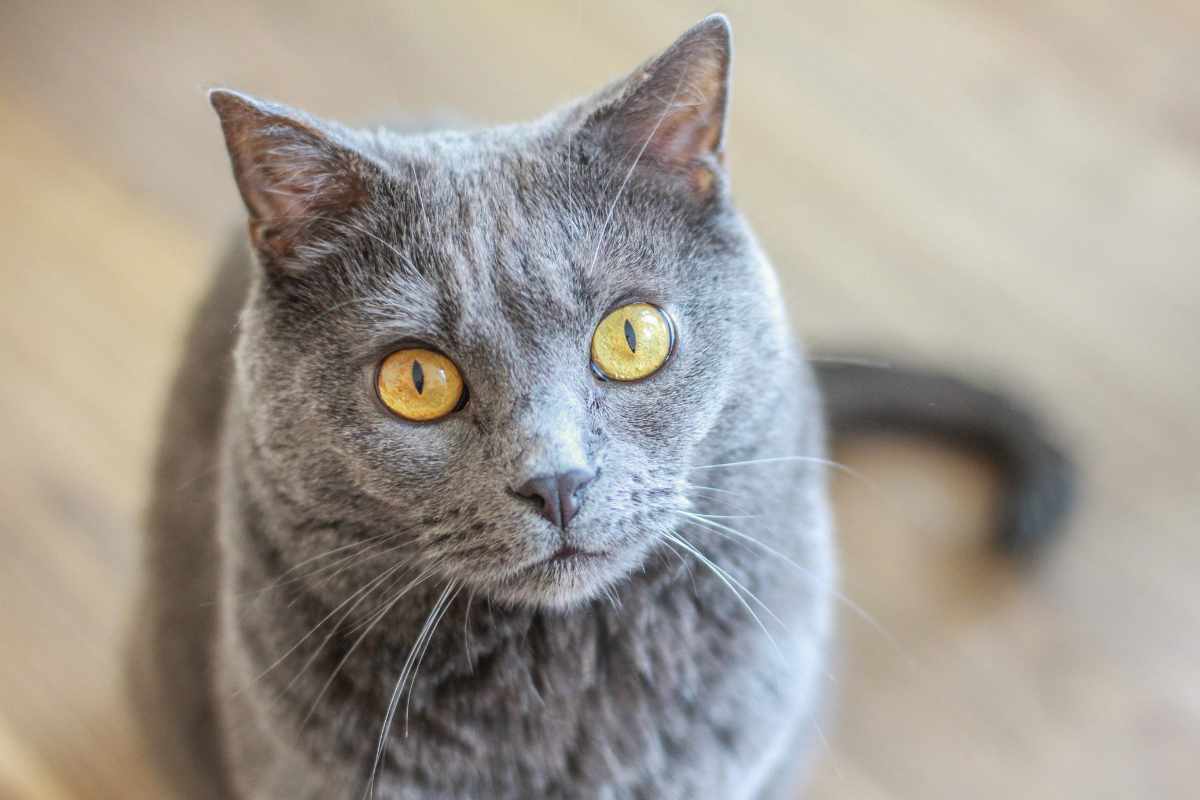
- The "smile": A rounded head with full cheeks and a narrow muzzle gives many Chartreux a gentle, smiling expression.
- Sturdy body, slim legs: The breed is often described as "a potato on toothpicks": a heavy, muscular body carried on relatively fine legs.
- Woolly coat: The fur is slightly water-resistant and can "break" or part like sheepskin around the neck and body.
- Warm eye color: Copper to gold eyes, never green as adults.
By contrast, Russian Blues have a slimmer build, a finer coat and green eyes. Learn more about them in our Russian Blue personality guide.
Chartreux are also slow to mature. Many keep growing and filling out until they are around three to five years old, so a young adult may still look a little lanky.
Chartreux Personality and Temperament
Owners usually describe the Chartreux as a calm, devoted shadow. Expect a cat that:
- Follows you from room to room and likes to be near you without demanding constant attention.
- Is unusually quiet. Many Chartreux rarely meow and communicate with soft chirps and trills instead.
- Bonds strongly with one or two people while staying polite with the rest of the household.
- Watches before acting. New guests and new rooms are studied carefully first.
- Has a playful hunter inside. A Chartreux can go from calm to pouncing in seconds when a toy moves.
Are Chartreux Good with Kids and Other Pets?
Generally, yes. Their patient, steady nature suits families with children who handle cats gently. They usually get along with cat-friendly dogs and other cats when introductions are slow. Because of their strong hunting drive, keep them away from pet birds, hamsters and other small animals.
Want your cat to be even more cuddly? These tips on how to make your cat more affectionate work well with this gentle breed.
How to Care for a Chartreux Cat
Grooming
The Chartreux coat is thick, but it doesn't mat easily. A simple routine is enough:
- Brush once a week with a slicker or rubber brush, working with the direction of the fur.
- Brush every few days during spring and fall, when the undercoat sheds heavily.
- Trim nails every two to three weeks.
- Check ears and teeth weekly. Brushing teeth with a cat toothpaste helps prevent dental disease.
Baths are rarely needed. The water-resistant coat is hard to soak and slow to dry anyway.
Diet and Weight Control
Feed a complete, high-quality cat food with plenty of animal protein, either wet, dry or a mix. Chartreux love to eat and can gain weight easily once they reach adulthood, so:
- Measure meals instead of free-feeding.
- Use part of the daily food in puzzle feeders to slow eating and add mental work.
- Keep treats small and occasional. If you like to bake, our homemade kitty treats are an easy option.
- Always offer fresh water; a fountain encourages some cats to drink more.
Exercise and Enrichment
Calm doesn't mean lazy. A Chartreux needs daily play to stay fit and content:
- Two short play sessions a day (10 to 15 minutes) with a wand toy that lets them stalk, chase and pounce.
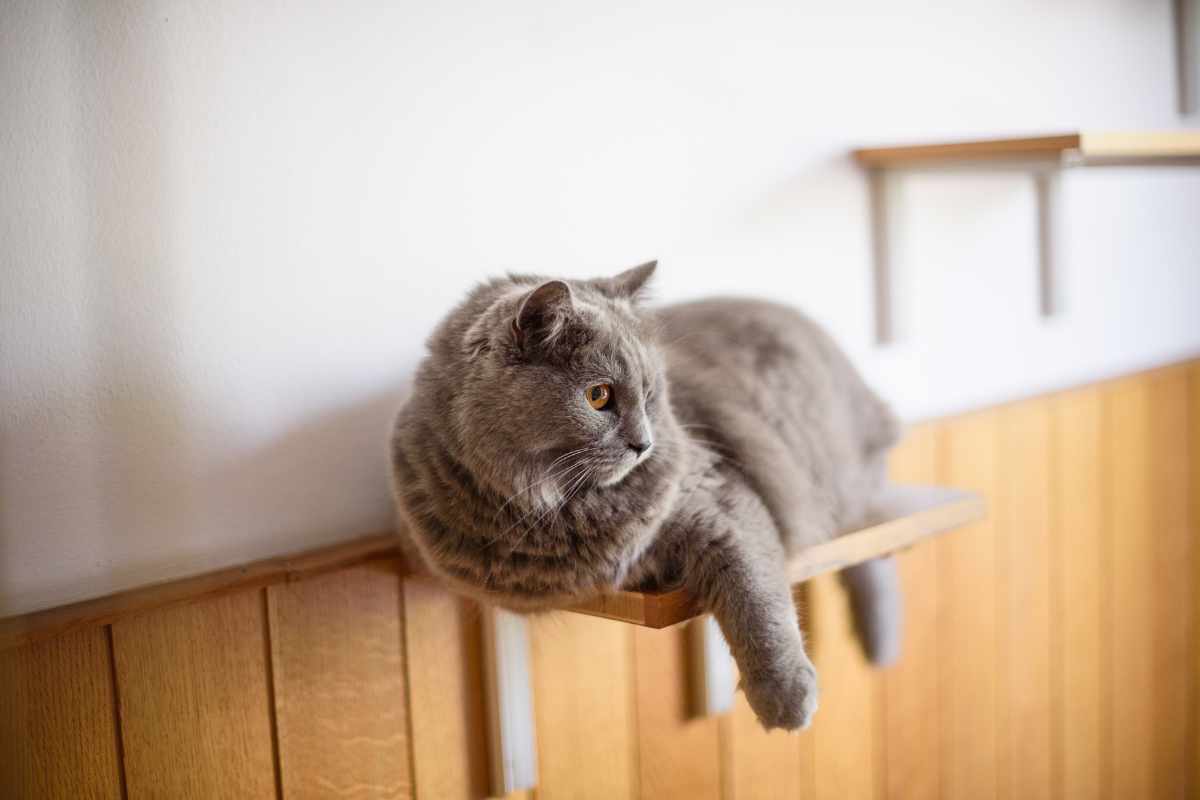
- Vertical space: a sturdy cat tree or wall shelves near a window.
- Scratching posts in the rooms where the family spends time.
- Rotating toys every week so old favorites feel new again.
Ideal Home
Chartreux adapt well to apartments and houses alike. They prefer predictable routines and a quiet household, and they handle being alone during a workday better than many people-oriented breeds, as long as they get attention when you're home.
Chartreux Health: What to Watch For
The Chartreux is considered a generally healthy, robust breed. Like any cat, it can still develop problems, and owners should know the basics:
- Kneecap issues (patellar luxation): Breeders and vets watch for kneecaps that slip out of place. Signs include skipping, limping or holding a back leg up for a few steps.
- Dental disease: Tartar, red gums and bad breath are common in adult cats of every breed.
- Weight gain: Extra weight puts strain on joints and raises the risk of other health problems.
If you buy a kitten, choose a breeder who health-checks their cats and lets you meet the parents.
When to See a Vet
Book a vet visit if your Chartreux:
- Limps, skips or avoids jumping for more than a day.
- Stops eating, or eats much less, for more than 24 hours.
- Has bad breath, drools or chews on one side.
- Gains or loses weight without a change in diet.
- Strains in the litter box or goes more often than usual (this can be an emergency, especially in males).
- Hides more than usual or seems lethargic.
Yearly checkups (twice a year for senior cats) help catch problems early.
Is a Chartreux Right for You?
A Chartreux may be a great match if you want:
- A quiet, gentle cat that stays close without being clingy.
- Low-maintenance grooming.
- A playful companion that settles down easily.
It may not be the best fit if you want a very talkative, outgoing cat, if someone at home has cat allergies (the breed is not hypoallergenic), or if you keep small caged pets. Curious about other unusual breeds? See our guide to rare cat breeds and their care, or compare this calm cat with the big, sociable Maine Coon.
Our Favorite Picks for a Chartreux
- Swihauk Self-Cleaning Slicker Brush – Pulls loose undercoat out of a dense double coat and empties with one click, which helps a lot during shedding season.
- GoCat Da Bird Feather Wand Toy – A classic wand toy whose feathers flutter like a real bird, perfect for letting a Chartreux stalk and pounce during daily play.
Frequently Asked Questions
Do Chartreux cats like to be held?
Many enjoy being near their people more than being carried. Most will sit beside you or on your lap on their own terms, and some do enjoy being held once they trust you.
What's the difference between a Chartreux and a Russian Blue?
The Chartreux is stockier, with a woolly coat and copper or gold eyes. The Russian Blue is slimmer, with a finer, plush coat and green eyes.
Do Chartreux cats shed a lot?
They shed moderately most of the year and heavily in spring and fall. Weekly brushing, and more often during those seasons, keeps loose hair under control.
Are Chartreux cats hypoallergenic?
No. They produce the same allergens as other cats, and their dense coat can spread loose hair around the house.
Did you find this post useful or inspiring? Save THIS PIN to your PETS Board on Pinterest!
You may also like