
Common Mistakes in Caring for Bearded Dragons


Bearded dragons are fascinating pets with unique care needs. While they are relatively easy to care for, many first-time owners make mistakes that can impact their health and longevity.
In this article, we’ll go over the most common mistakes made when caring for bearded dragons and offer you a detailed guide on how to avoid them.
Whether you’re a new owner or experienced reptile enthusiast, understanding these key areas will help ensure your bearded dragon lives a long, healthy, and happy life.
Improper Lighting and UVB Exposure
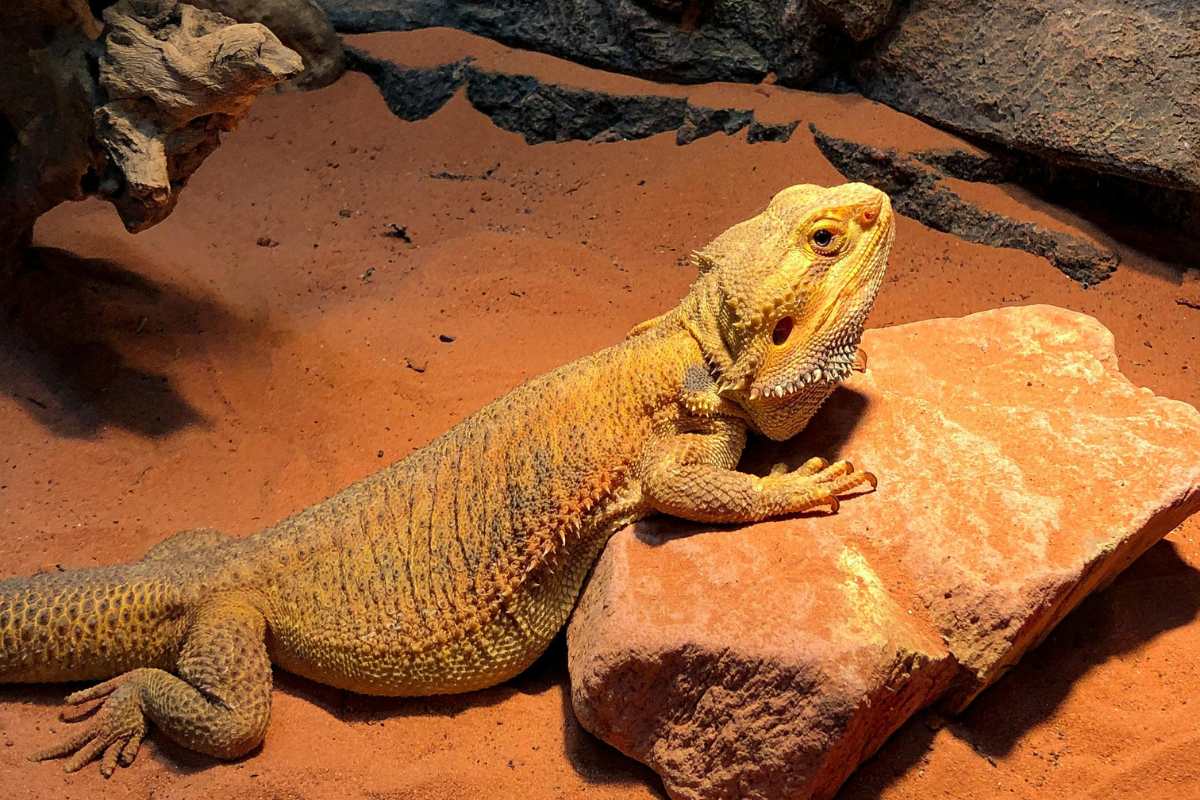
Why UVB Lighting is Critical for Bearded Dragons
One of the most common and significant mistakes is providing insufficient UVB lighting. Bearded dragons need exposure to UVB rays to synthesize vitamin D3, which is essential for the absorption of calcium.
Without this critical nutrient, they can suffer from metabolic bone disease, leading to weak bones, fractures, and deformities.
The right UVB lighting ensures your dragon’s bones are strong, and it helps with proper digestion and overall health.
What You Should Do:
Invest in high-quality UVB bulbs, specifically T5 UVB bulbs with a 10.0 or 12% UVB rating. These are the most effective for reptiles like bearded dragons.
Place the UVB bulb 6-12 inches above the basking area. UVB rays lose intensity with distance, so proper placement is key.
Replace your UVB bulb every 6-12 months even if it still lights up, because the UVB output decreases over time, even if the light itself seems functional.
Bearded dragons need 10-12 hours of light a day, simulating their natural environment. Consider using a timer to regulate their light cycle, ensuring consistency.
Unbalanced Diet and Nutritional Mistakes
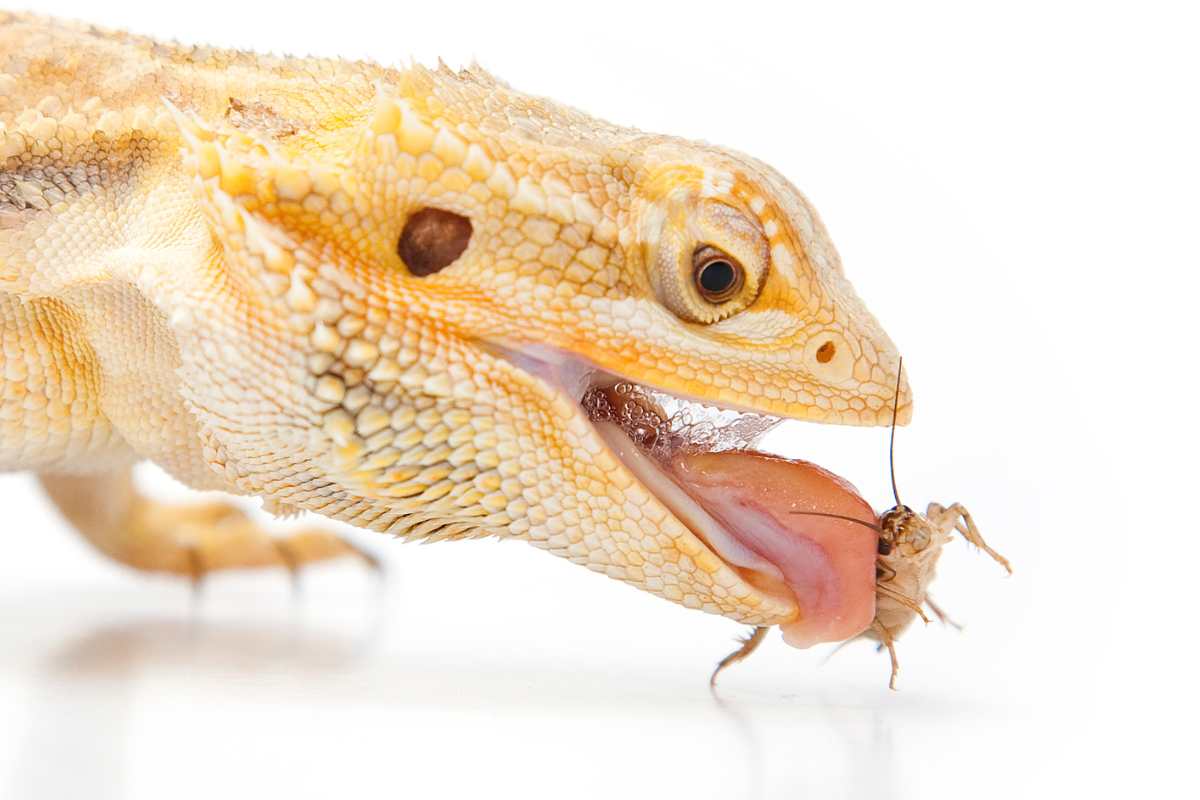
A balanced diet is crucial for your bearded dragon’s health.
Many owners focus too heavily on feeding insects, neglecting the importance of providing leafy greens and other vegetables. An unbalanced diet can lead to obesity, nutritional deficiencies, and digestive problems.
Understanding Bearded Dragon Diets
Bearded dragons are omnivores, meaning they need both animal protein and plant matter to thrive. Their diet should be composed of 60% vegetables and 40% insects.
What You Should Do:
Offer a variety of insects such as crickets, roaches, and mealworms. Make sure to dust them with calcium and multivitamin powder before feeding them to your dragon.
Vegetables like collard greens, mustard greens, and dandelion greens are excellent choices. You should also offer squash, carrots, and bell peppers for added nutrients.
Avoid feeding iceberg lettuce, as it has no nutritional value. Also, limit spinach and kale since they contain oxalates that can block calcium absorption.
Gut-load insects with nutritious food (like carrots or leafy greens) before feeding them to your dragon to ensure they are packed with extra nutrients.
Feeding Tips for Different Life Stages:
Juveniles (under 1 year) need a protein-heavy diet and should be fed insects every day.
Adults (over 1 year) should have fewer insects, with more focus on greens, vegetables, and fruits. Offer insects 2-3 times a week.
Incorrect Terrarium Setup and Temperature Regulation
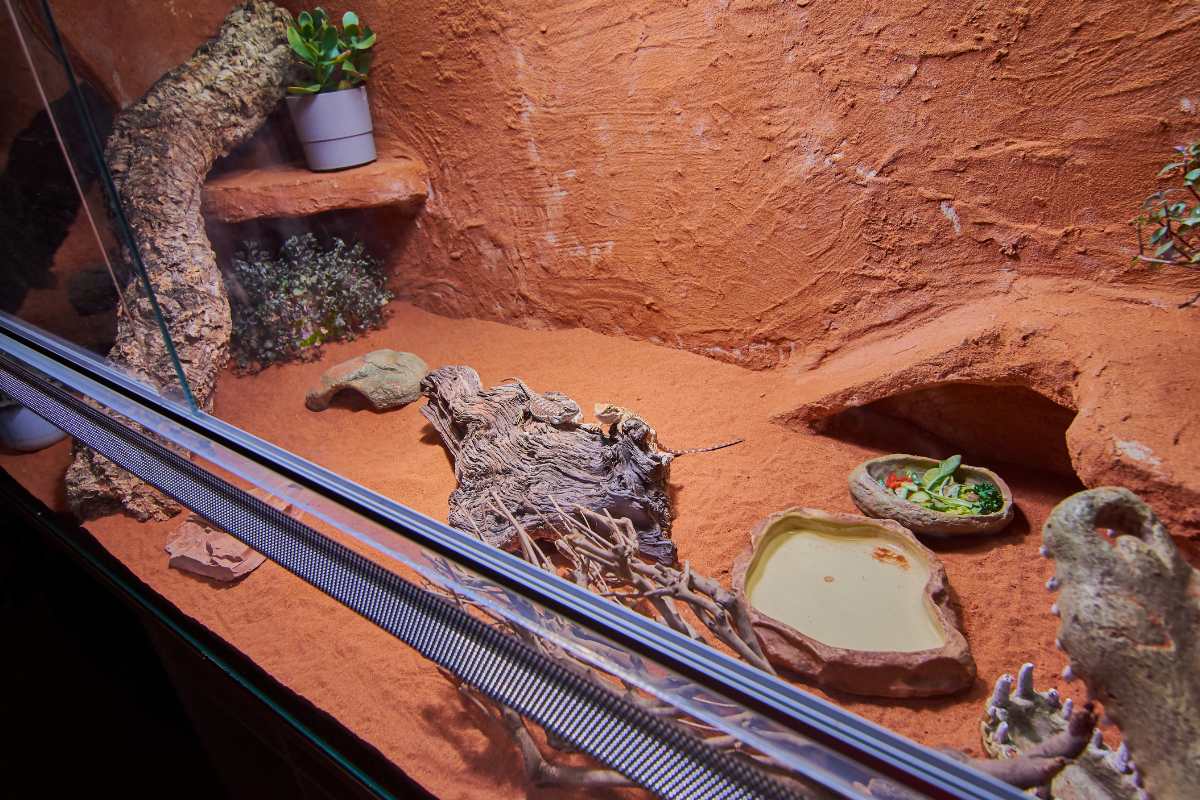
The Importance of Proper Temperature Gradient
Bearded dragons are cold-blooded and rely on an external heat source to regulate their body temperature.
A gradual temperature gradient from warm to cool areas is essential for their digestion, activity, and overall health.
What You Should Do:
Set up a basking spot with temperatures between 40-46°C (104-115°F), where your dragon can absorb heat and digest food properly.
Ensure the cool side of the tank is between 21-29°C (70-85°F), so your dragon can regulate its body temperature.
Use a thermometer at both the basking and cool sides to monitor the temperatures and keep them consistent.
Bearded dragons are diurnal (active during the day), so they need a 12-hour light cycle and nighttime temperatures of around 18-21°C (65-70°F).
A heat mat can help regulate temperature at night, but avoid using it as the primary heat source.
Humidity Needs for Bearded Dragons
Bearded dragons come from arid regions, and therefore their humidity levels should be kept low. Too much humidity can lead to respiratory issues, while too little can cause shedding problems.
What You Should Do:
Maintain humidity levels between 30-40% in the terrarium.
Ensure there is good ventilation to prevent high humidity and condensation.
Inadequate Hydration and Bathing
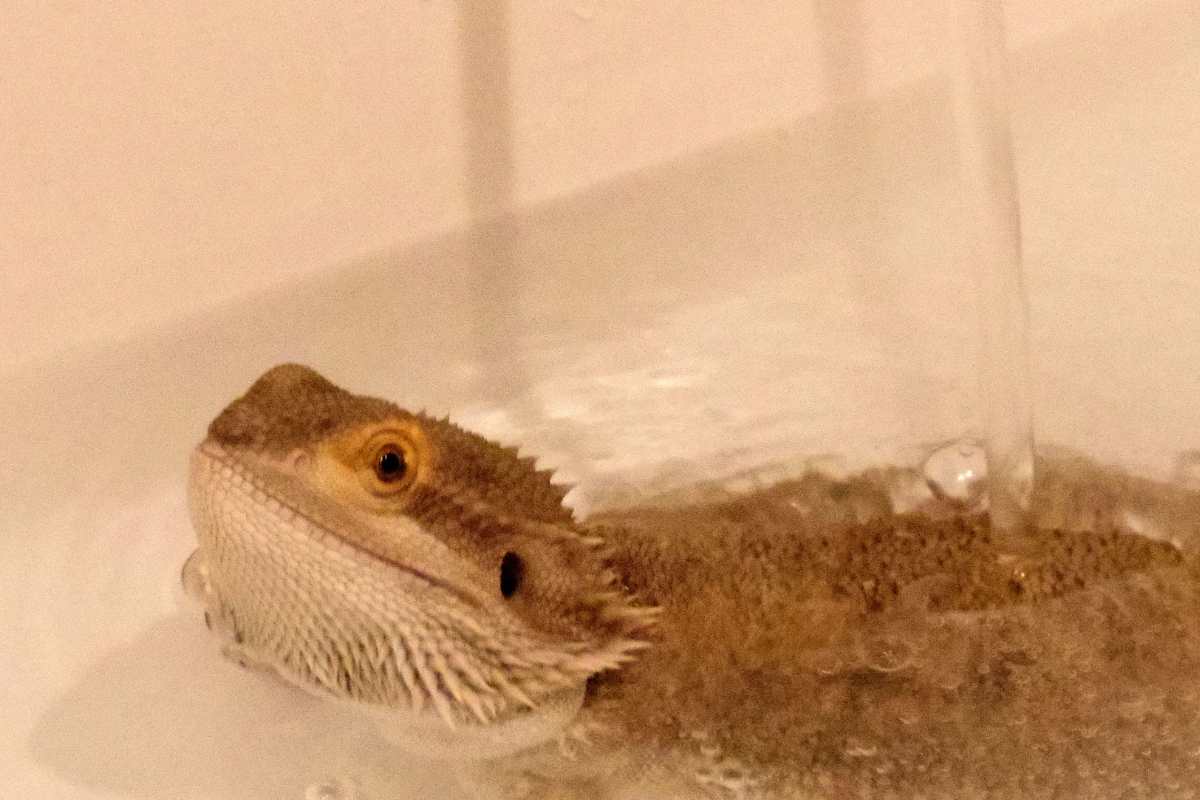
Proper hydration is often overlooked in bearded dragon care. Dehydration can lead to health problems like kidney disease, difficulties shedding, and general lethargy.
Hydration Needs for Bearded Dragons
While bearded dragons can survive without constant water availability, it’s important to offer fresh water daily. Occasionally, a warm bath can help with hydration and promote healthy shedding.
What You Should Do:
Provide a shallow water dish in the tank that is large enough for your dragon to drink and soak in.
Bath your bearded dragon 2-3 times a week in lukewarm water (not too hot, as they may get stressed). Let them soak for 10-15 minutes to hydrate.
Mist your dragon lightly once a week to help with shedding, especially during the summer months when their skin becomes drier.
Choosing the Wrong Substrate
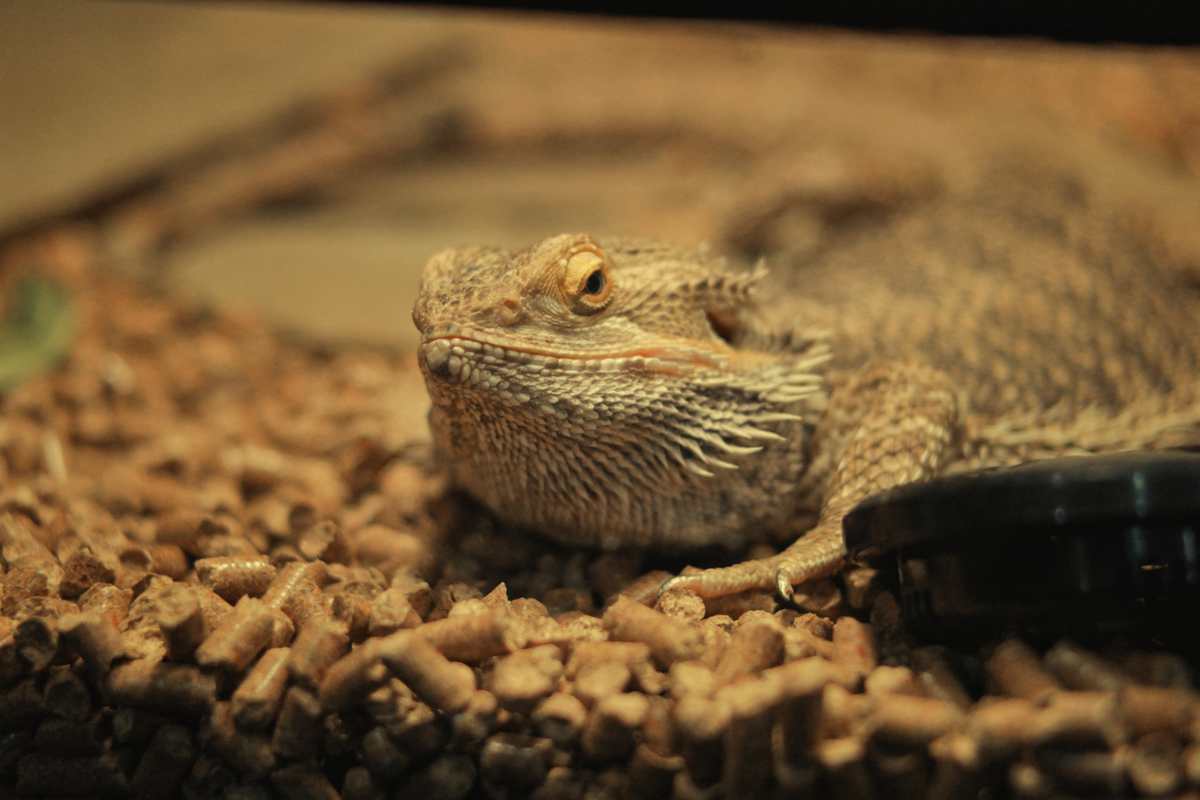
The wrong substrate can lead to serious health issues for your bearded dragon. Some substrates, such as sand and gravel, can cause impaction if ingested, which can lead to intestinal blockages.
The Importance of Safe Substrate
Using the wrong substrate can also make it difficult to maintain a clean and healthy environment for your dragon.
What You Should Do:
Avoid sand, calcium sand, and gravel for adult bearded dragons as they can ingest it by mistake, leading to digestive blockages.
Use reptile carpet, tile, or paper towels as a safe, easy-to-clean option. These substrates are easier to maintain and will reduce the risk of impaction.
If using a loose substrate for juveniles, make sure to supervise them closely during feeding time to avoid accidental ingestion.
Neglecting Regular Veterinary Check-ups
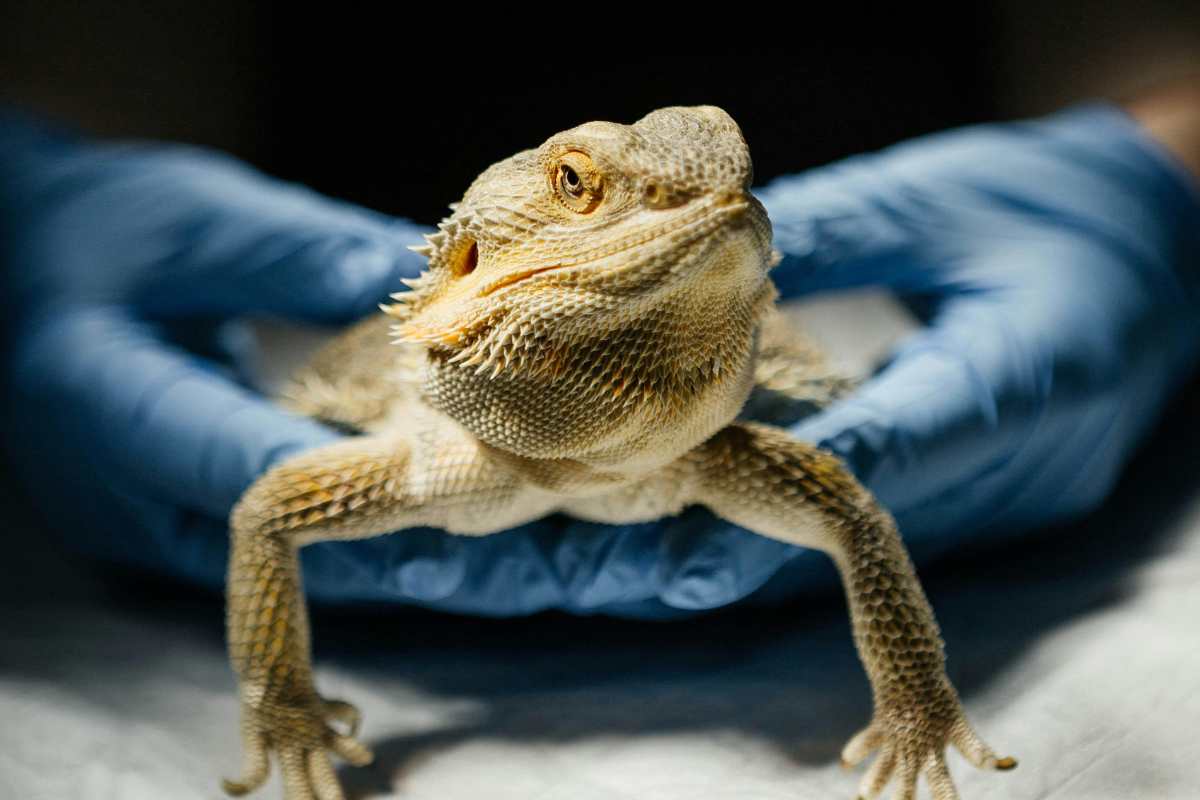
Regular vet visits are essential to keep your bearded dragon healthy. Parasites, respiratory infections, and other health issues can go unnoticed without proper check-ups.
Why Veterinary Care is Important
A vet can help with disease prevention, early diagnosis of potential health problems, and overall health maintenance.
What You Should Do:
Take your bearded dragon to the vet for a check-up every 6 months, especially if they show any signs of illness like lethargy, loss of appetite, or unusual behavior.
If you notice changes in your dragon’s stool, behavior, or appearance, seek veterinary advice immediately.
Make sure your vet is experienced in reptile care and familiar with bearded dragons.
Overhandling and Stress

Although bearded dragons can be friendly and interactive, overhandling them can cause stress. A stressed dragon may refuse to eat, hide excessively, or become aggressive.
How to Handle Your Bearded Dragon Properly
Proper handling can help your bearded dragon bond with you, but it’s important to give them space and let them settle in at their own pace.
What You Should Do:
Allow your dragon to settle into their new home for 1-2 weeks before handling.
Handle your dragon gently for 10-15 minutes a few times a week. Gradually increase handling time as they become more accustomed to you.
Avoid handling them after feeding or when they are shedding, as this can cause stress and discomfort.
Conclusion: Ensuring the Best Care for Your Bearded Dragon
Caring for a bearded dragon is a rewarding experience, but it requires attention to detail and a good understanding of their needs.
By avoiding common mistakes—such as improper lighting, incorrect diet, inadequate temperatures, and neglecting hydration—you’ll create a healthy, happy environment for your dragon.
Regular veterinary visits, proper handling, and providing the right habitat are all essential to their well-being.
Remember that bearded dragons are more than just pets—they are fascinating creatures that require your care and commitment.
By following these guidelines and being proactive, you’ll ensure your bearded dragon thrives for many years to come.
Enjoy This Video Tutorial About Reptiles
Source: Cold Blood Creations
Did you find this post useful or inspiring? Save THIS PIN to your Pets Board on Pinterest! 😊

You may also like