
The Essentials for the Happiness of Indoor Cats


Indoor cats can live happy, healthy lives if their basic needs are met. Unlike outdoor cats, who have the freedom to roam, indoor cats rely on their owners to provide everything they need for a fulfilling life.
From physical exercise to mental stimulation, it's essential to create an environment that keeps them content and engaged. Here’s a guide to the essentials for ensuring your indoor cat's happiness.
The Ultimate Guide to a Content Indoor Cat
Provide Plenty of Playtime and Physical Exercise
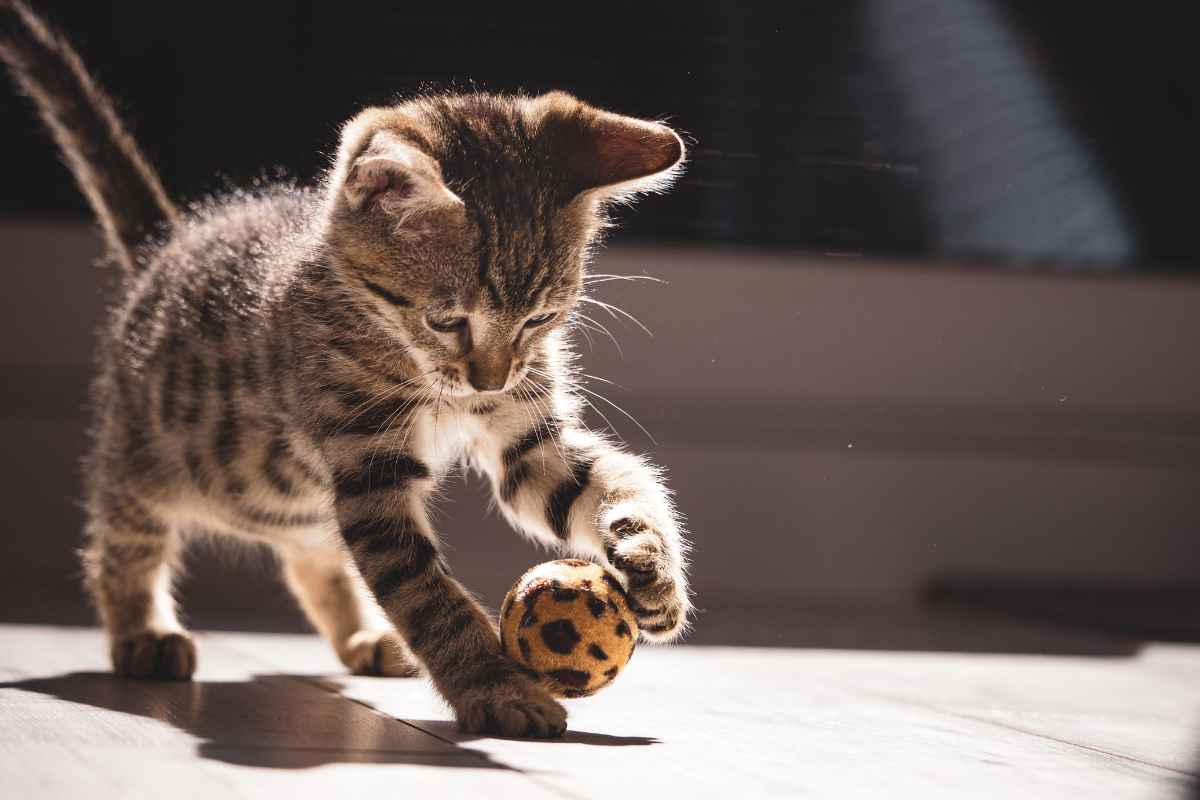
One of the most important things you can do for your cat is to provide regular playtime. Cats are natural hunters, and without the stimulation of hunting for food, they can easily become bored, stressed, or even overweight.
Engage them in play using interactive toys, like feathers on strings, laser pointers, and balls. This helps simulate the hunting experience and gives your cat the exercise it needs to stay healthy.
Cats need daily physical activity to keep their muscles toned and their minds active. A good play session can last anywhere from 10 to 20 minutes. Make sure to rotate toys regularly to keep your cat interested.
You can also provide climbing structures such as cat trees, shelves, or window perches, which encourage them to climb and explore.
Create a Comfortable Space for Rest and Relaxation
Just like us, cats need their own space to relax. Set up a cozy corner with a soft bed, blanket, or a cat cave where they can retreat when they need peace and quiet. Cats are territorial creatures, and having a designated resting area helps them feel secure and safe.
Consider placing the bed in a quiet, low-traffic area of the home where your cat can retreat without disturbances. You may also want to provide a window perch so your cat can observe the world outside.
Cats enjoy watching birds, squirrels, and the general outdoor activity, which provides both entertainment and mental stimulation.
Provide a Balanced Diet and Fresh Water
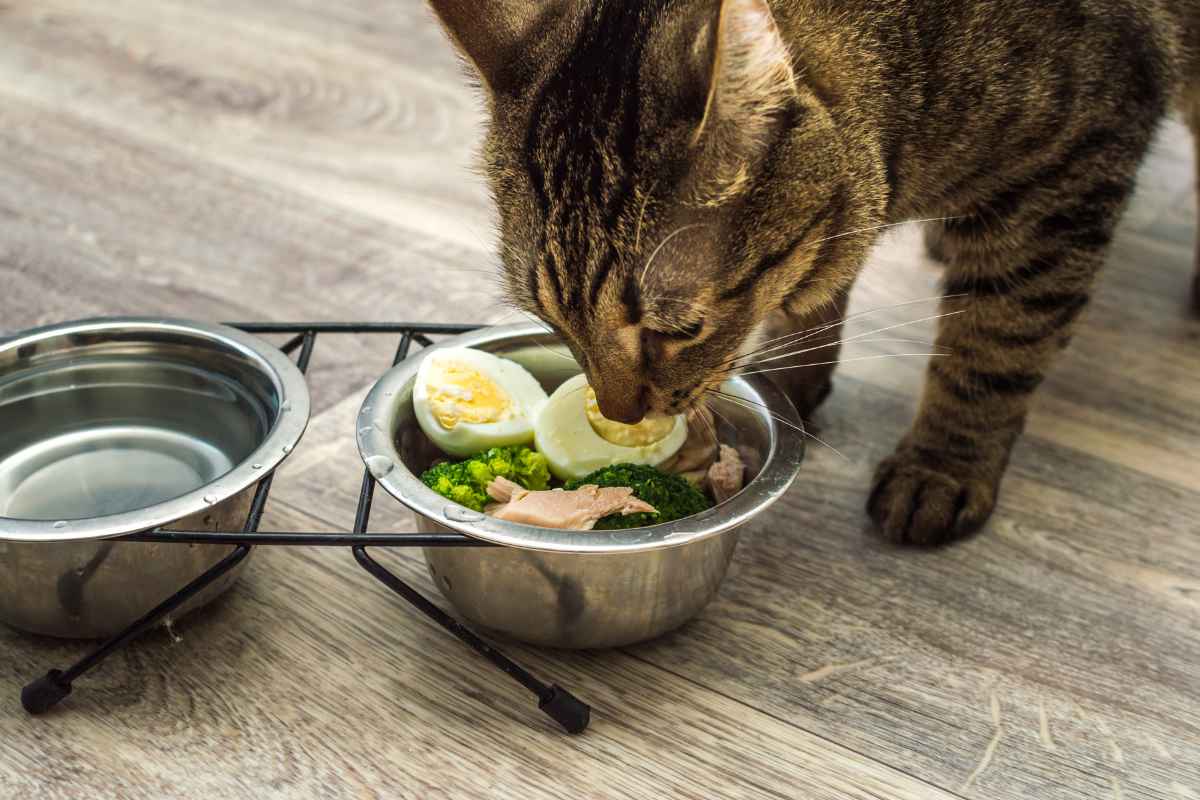
A healthy diet is crucial for your cat’s overall well-being. Feed your cat high-quality food that meets their nutritional needs based on their age, size, and activity level.
Wet food can be a great option to help keep your cat hydrated, and it can also be more enticing for picky eaters. Always offer fresh water, and if your cat tends to ignore it, try a cat water fountain to encourage drinking.
Make sure you follow feeding guidelines and don’t overfeed your cat, as obesity is a common problem for indoor cats. Portion control is essential to ensure your cat maintains a healthy weight. Consult your vet for advice on the best diet for your pet.
Litter Box Maintenance
A clean litter box is one of the most basic, yet important, aspects of keeping an indoor cat happy. Cats are naturally clean animals, and a dirty litter box can lead to stress, urinary issues, and inappropriate elimination behavior.
Scoop the litter box daily and change the litter regularly to maintain cleanliness. Make sure the box is large enough for your cat to comfortably turn around and dig.
You should also consider the type of litter your cat prefers. Some cats are picky about their litter, so experiment with different options until you find one your cat likes. If you have multiple cats, ensure you have one box per cat, plus an extra one for good measure.
Stimulate Your Cat’s Mind with Enrichment Activities
Indoor cats need more than just physical activity—they also need mental stimulation to keep them from getting bored. Puzzle toys, treat-dispensing toys, and interactive feeders are great tools to challenge your cat's brain and satisfy their natural instincts.
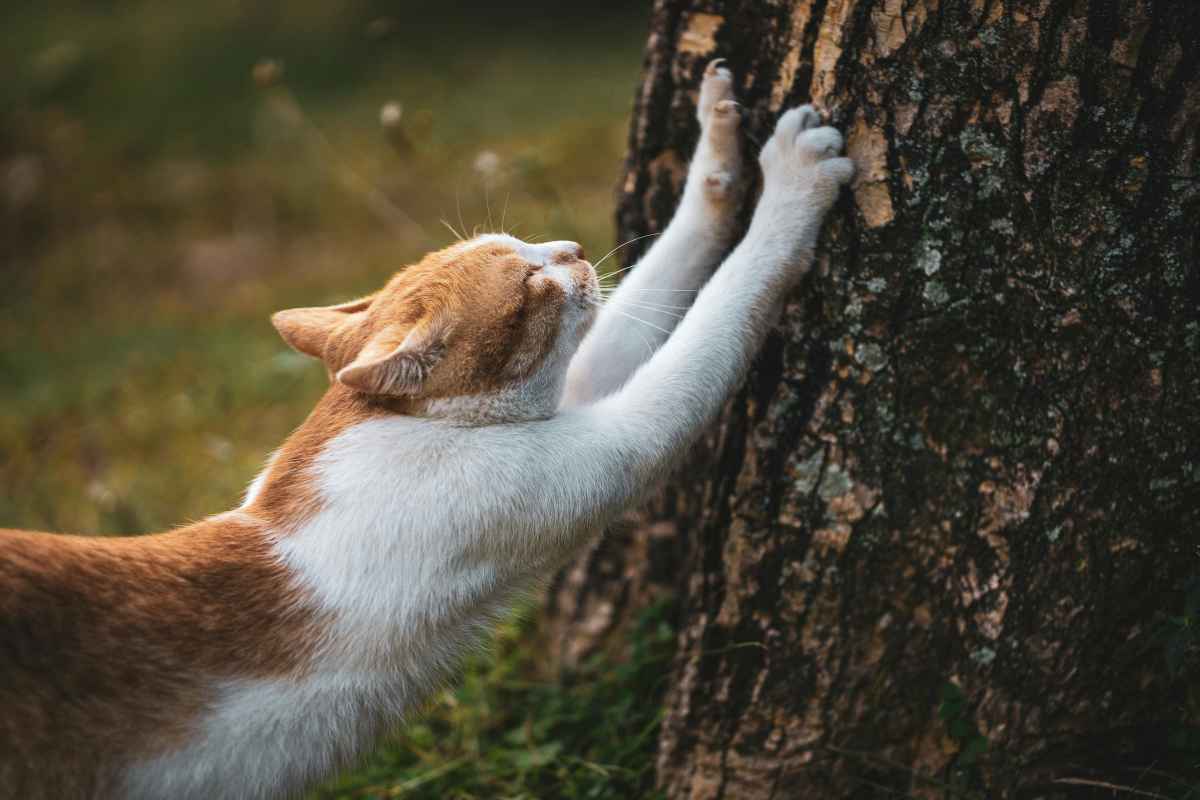
Cat trees and scratching posts are essential for keeping your cat active. Cats instinctively scratch to mark their territory and keep their claws healthy.
Provide a variety of scratching posts made of different materials like sisal, cardboard, and carpet to give your cat options. Be sure to place them in locations your cat frequents, such as near a favorite window or by the bed.
Socialization and Affection
While some cats enjoy being alone, all cats need attention and affection from their owners. Spend time petting, brushing, or simply sitting with your cat each day. If you have multiple cats, ensure they have enough socialization to maintain positive relationships.
Sometimes cats will need time to adjust to each other, so be patient and provide safe spaces for them to retreat to.
If your cat is particularly social, consider offering companionship in the form of another pet, such as another cat, or even a friendly dog. However, always monitor their interactions to ensure they are comfortable with each other.
Monitor Health and Veterinary Care
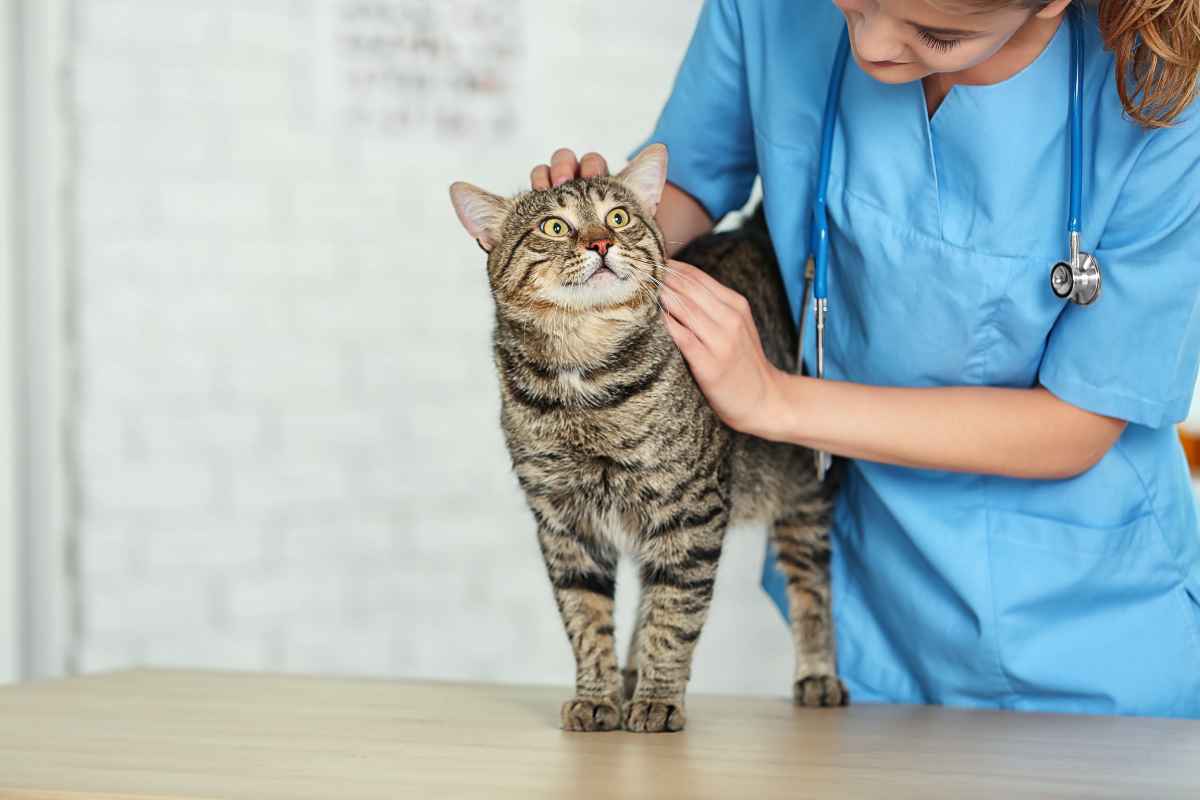
Regular veterinary check-ups are essential for maintaining your cat’s health. Make sure your cat is up-to-date on vaccinations and preventive treatments like flea, tick, and worm control.
Additionally, dental health is often overlooked, but it is crucial for preventing oral diseases that can affect your cat’s overall health.
If your cat shows signs of illness, such as a change in appetite, behavior, or litter box habits, consult your vet immediately. Cats are great at hiding discomfort, so it’s important to pay attention to even the smallest signs of illness.
The Importance of a Happy Indoor Environment
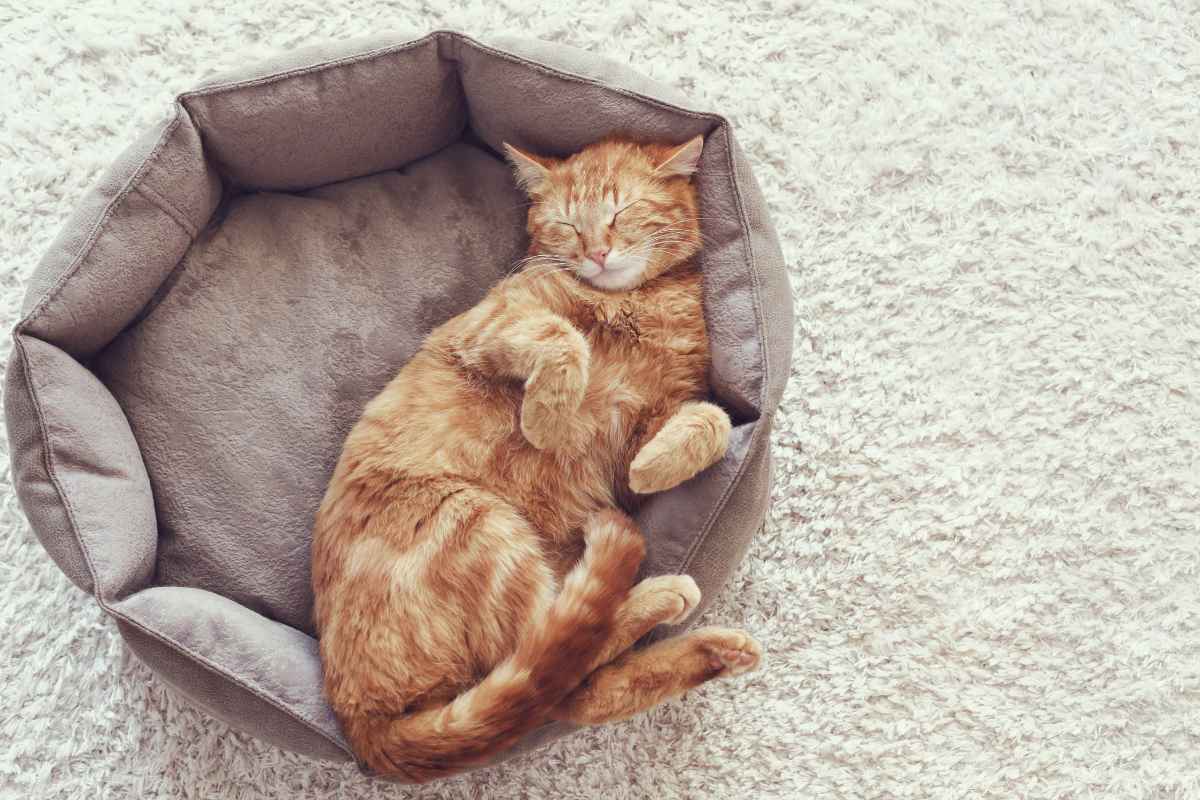
Creating a happy, healthy environment for your indoor cat is an ongoing process. By providing a balanced diet, stimulating playtime, a clean litter box, and a comfortable space to rest, you can ensure that your cat stays content and stress-free.
Don’t forget the importance of regular vet visits and mental stimulation to keep your furry friend in top shape.
Indoor cats may not have the freedom of the outdoors, but with the right care and environment, they can live fulfilling, happy lives. Give them the love, attention, and space they need, and you’ll both enjoy many years of companionship and joy.
Enjoy This Video About Indoor Cats

Source: Jackson Galaxy
Did you find this post useful or inspiring? Save THIS PIN to your Pets Board on Pinterest! 😊
You may also like