
Tips to Help Your Overweight Cat


Obesity in cats is a growing problem that can lead to a variety of serious health issues, including diabetes, joint problems, and even a shorter lifespan.
As responsible pet owners, it's our job to ensure that our feline friends maintain a healthy weight to live longer, happier lives.
If you’ve noticed your cat gaining weight or becoming less active, don’t worry – there are effective ways to help them shed those extra pounds safely and effectively.
In this guide, we’ll cover practical tips to help your overweight cat lose weight, backed by expert advice and scientific insights. By following these steps, you can get your cat back on track to a healthy lifestyle.
Why Is My Cat Overweight? Understanding the Causes
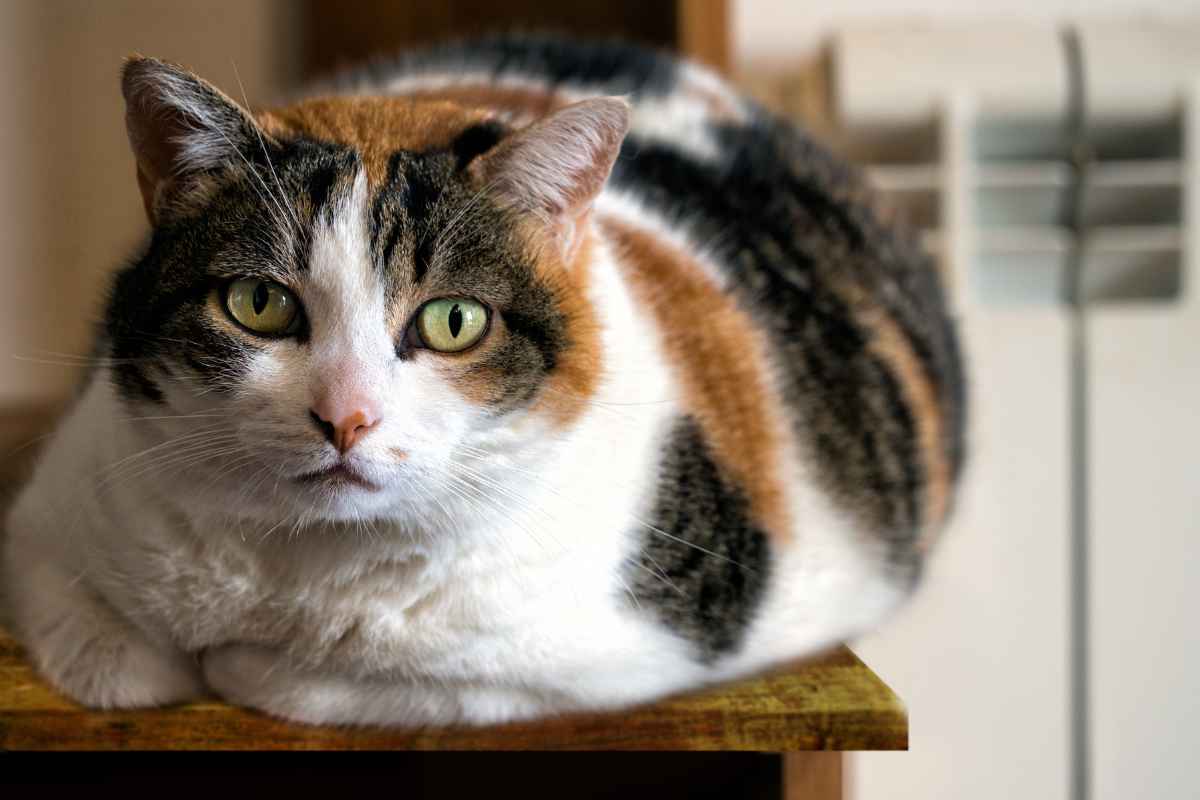
Before diving into weight loss tips, it's essential to understand why cats become overweight in the first place. There are several contributing factors to obesity in cats, including:
1. Overfeeding and Excessive Treats
Overfeeding is one of the leading causes of obesity in cats.
Many pet owners unknowingly overfeed their cats by offering too much food or giving too many treats. Even small, high-calorie snacks can add up over time.
2. Lack of Exercise and Mental Stimulation
Inactive cats are more likely to gain weight.
Cats that don’t get enough exercise or mental stimulation can become sedentary, leading to weight gain. A lack of playtime and stimulation can result in both physical and psychological issues.
3. Medical Conditions
Certain medical conditions, such as hypothyroidism or diabetes, can contribute to weight gain in cats.
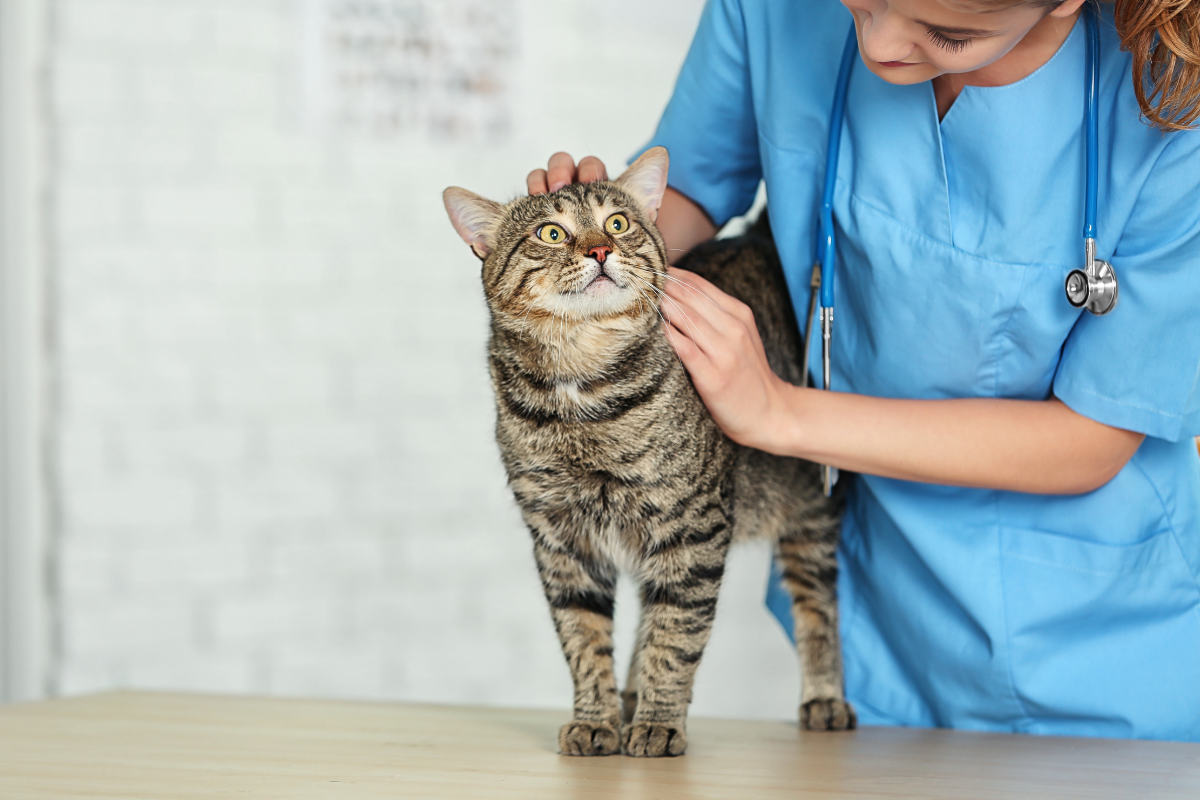
If your cat's weight seems to increase despite a controlled diet and exercise, it’s a good idea to visit your vet for a thorough check-up.
4. Aging
As cats age, their metabolism slows down, and they may become less active. Older cats often need fewer calories but may continue eating the same amount of food, leading to gradual weight gain.
Understanding the underlying cause of your cat’s obesity can help tailor a more effective weight loss plan.
How to Help Your Overweight Cat Lose Weight: Step-by-Step Tips
Now that we know the causes, let’s dive into the steps you can take to help your cat shed those extra pounds in a safe and healthy way.
1. Adjust Their Diet: Portion Control is Key
One of the most important factors in helping your overweight cat lose weight is managing their diet. Simply reducing food intake or offering smaller portions can significantly help. Here’s how to start:
Measure Their Food
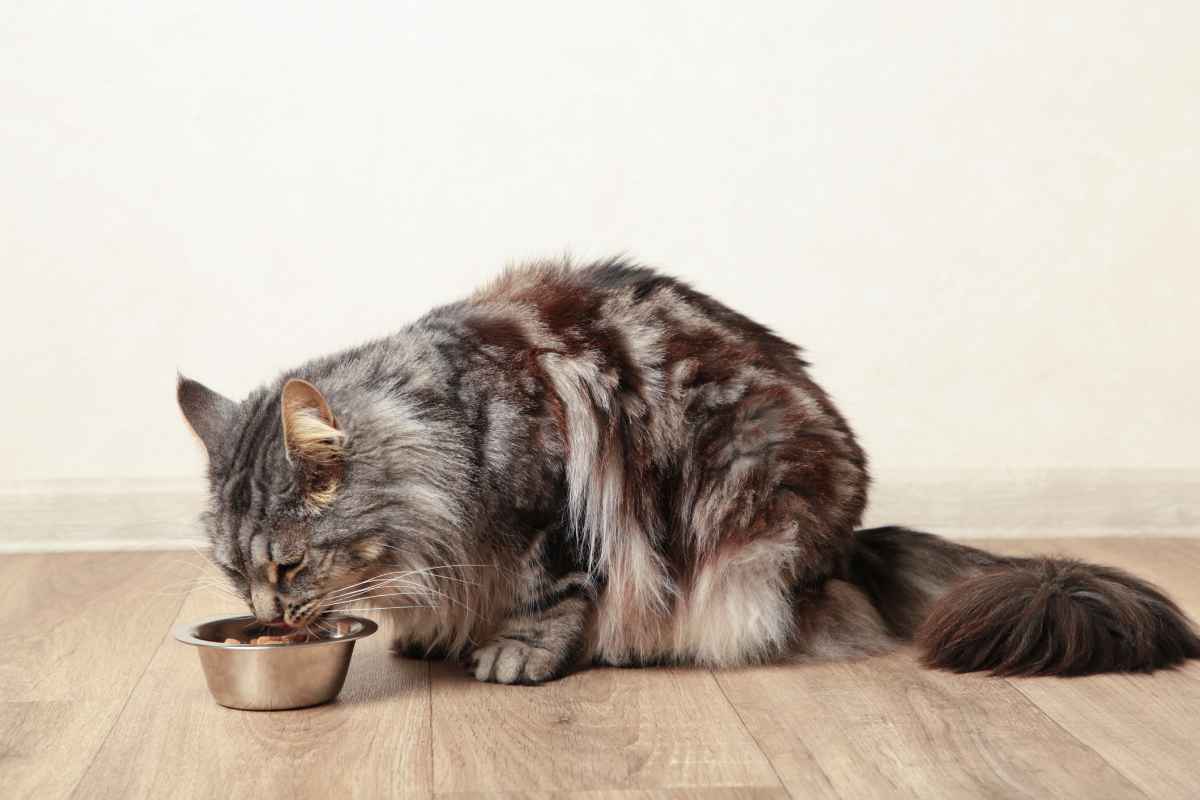
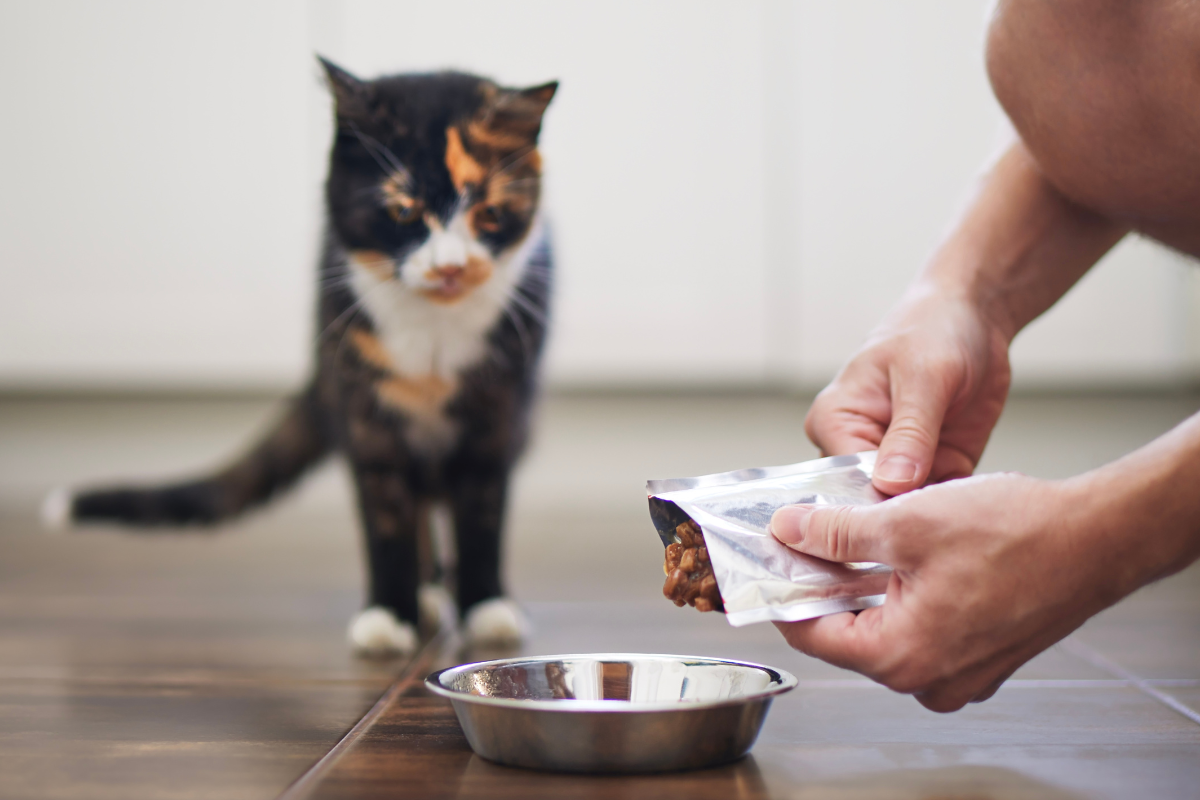
Start by measuring your cat's food to ensure you're giving the right amount. Follow your vet’s advice on calorie intake and stick to that amount.
Overfeeding can be a serious obstacle, so using a measuring cup for their food can help you stay on track.
Switch to a Weight-Loss Formula
Switching to a high-quality, low-calorie diet can help your cat shed pounds while still providing them with the essential nutrients they need.
There are many weight-loss cat foods available, and your vet can help you choose one that’s appropriate for your cat's age, breed, and health needs.
Feed Smaller, More Frequent Meals
Instead of giving your cat one or two large meals, try feeding them smaller meals throughout the day.
This helps control hunger, reduces overeating, and supports metabolism. Automatic feeders can be useful for this.
2. Increase Physical Activity: Playtime is Crucial
Just like with humans, exercise plays a vital role in your cat’s weight management.
Regular physical activity helps burn off excess calories and keeps your cat mentally engaged. Here are some ways to get your cat moving:
Interactive Play
Interactive play is one of the best ways to get your cat to exercise.
Use toys like fishing pole-style wands or laser pointers to encourage your cat to chase and jump.
Be sure to let them "catch" the toy at the end of the session, as chasing without a reward can cause frustration.
Treadmills for Cats
Yes, you read that right! Some cats can be trained to walk on a treadmill, which can be a great way to increase their exercise level.
Start slowly and increase the duration gradually. It’s important to supervise them while they’re using the treadmill.
Puzzle Toys
Puzzle feeders or treat-dispensing toys can keep your cat active by making them work for their food.
These toys provide both mental stimulation and physical activity, which can be highly effective for weight loss.
3. Gradual Weight Loss: Don’t Rush It
When it comes to weight loss, it's essential to be patient.
Rapid weight loss in cats can lead to serious health problems, including liver disease. Your cat should ideally lose no more than 1-2% of their body weight per week.
4. Regular Vet Check-ups and Monitoring
Regular vet visits are essential when your cat is on a weight loss journey.
Your vet can help monitor your cat's progress, adjust their diet or exercise plan, and make sure there are no underlying medical issues.
Potential Risks of Overweight Cats: Why It’s Important to Act Now
Obesity in cats can lead to several severe health problems, such as:
1. Diabetes
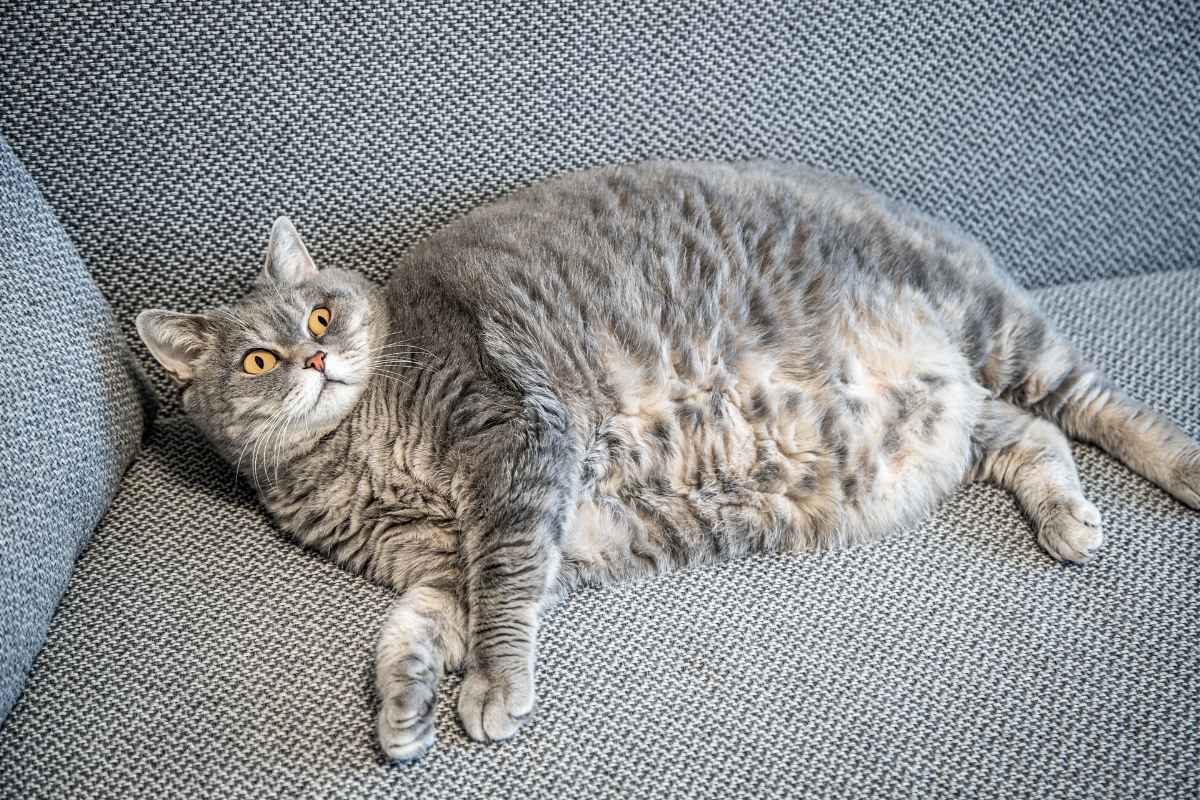
Obesity is the leading risk factor for diabetes in cats. Overweight cats are more likely to develop insulin resistance, which can lead to the development of diabetes.
Regular weight management can reduce the risk of this life-threatening condition.
2. Joint and Mobility Issues
Carrying extra weight puts unnecessary strain on a cat's joints, leading to pain and mobility issues.
Obesity can contribute to the development of arthritis and other joint problems, which can severely limit your cat’s activity level.
3. Decreased Lifespan
Studies have shown that cats who maintain a healthy weight tend to live longer lives.
Obesity can shorten a cat's lifespan, so helping your pet lose weight can result in a happier, longer life.
Additional Tips and Considerations
1. Hydration is Essential
Always ensure your cat has access to fresh water. Cats who are well-hydrated are more likely to feel full and avoid overeating.
Try using a water fountain to encourage them to drink more.
2. Avoid Free-Feeding
Free-feeding, or leaving food out all day, can lead to overeating and obesity. Instead, feed your cat at set times each day, and remove uneaten food after 30 minutes.
3. Gradual Changes
Don’t make drastic changes to your cat’s diet or lifestyle. Sudden changes can cause stress and disrupt their routine. Instead, introduce new foods, exercise, and feeding habits gradually.
The Bottom Line: Patience and Consistency Are Key
Helping your cat lose weight takes time, patience, and consistency.
By adjusting their diet, increasing their physical activity, and providing regular vet check-ups, you can help them achieve and maintain a healthy weight.
Remember, small changes can lead to big results.
By staying committed to your cat's health and well-being, you’re giving them the best chance at a long, happy, and healthy life.
We hope you enjoy this video about Cats

Source: Jackson Galaxy
Did you find this post useful or inspiring? Save THIS PIN to your Pets Board on Pinterest!

You may also like