
Cat Body Language: 9 Signs Your Cat Trusts You


This post contains affiliate links. As an Amazon Associate, Urbaki Pets earns from qualifying purchases, at no extra cost to you.
A cat that trusts you shows it with relaxed body language: slow blinks, a tail held high, kneading, head bumps, sleeping near you and showing its belly. These signals mean your cat feels safe around you. Below you'll learn how to read each sign, which signals mean "give me space," and simple ways to earn your cat's trust and make it like you more.
Why Cat Body Language Matters
Cats rarely make a big show of their feelings. They communicate mostly through eyes, ears, tail and posture, plus a few sounds. When you learn to read those signals, you can tell when your cat wants attention, when it wants to be left alone, and when something is bothering it. That alone makes a huge difference in your relationship, because a cat that feels understood is a cat that relaxes around you.
9 Signs Your Cat Trusts You
1. Slow Blinking
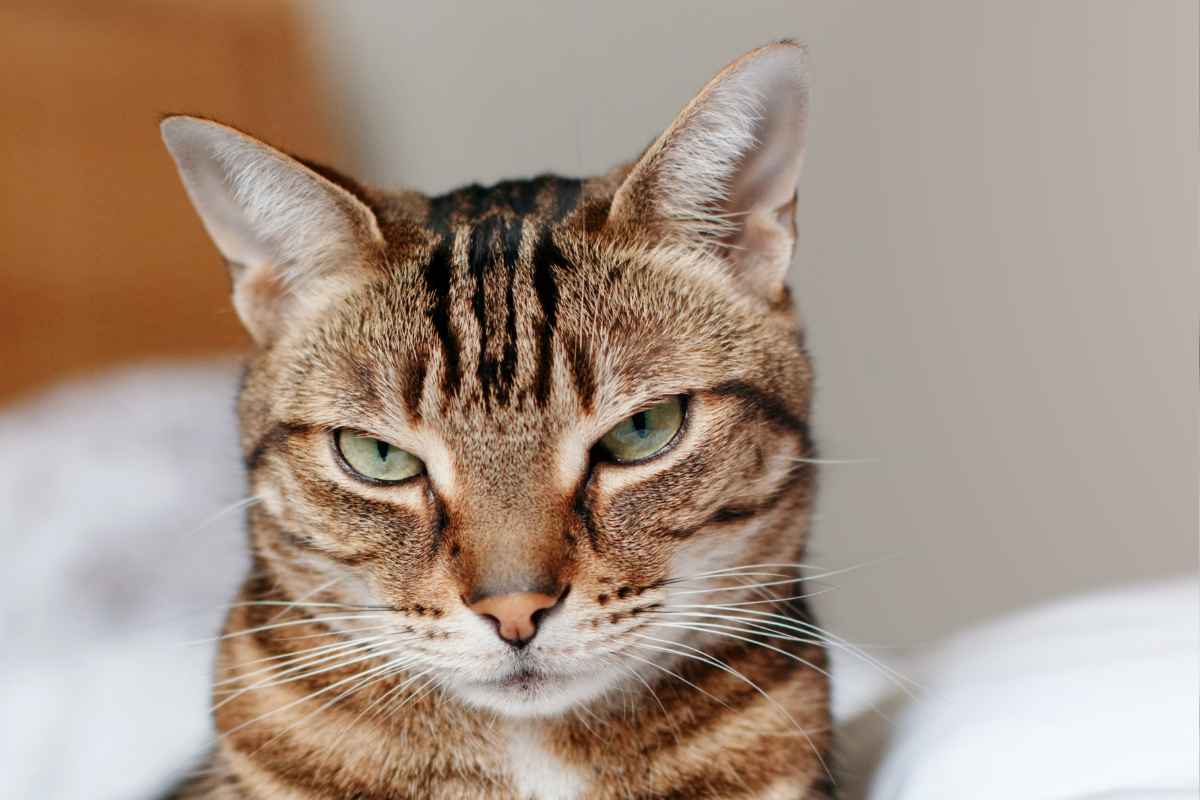
When your cat looks at you and closes its eyes slowly, it's showing that it feels relaxed and safe. Many people call it a "cat kiss." Try blinking back slowly: many cats will answer.
2. Showing Its Belly
The belly is a cat's most vulnerable spot. If your cat rolls over and stretches out next to you, it feels secure. That doesn't always mean it wants a belly rub, though. Many cats will grab or kick if you touch the belly, so take it as a compliment and pet the head instead.
3. Purring Near You
A cat that purrs while sitting on your lap, lying beside you or being petted is usually content. Keep in mind that cats sometimes purr when stressed or unwell, so look at the rest of the body too: soft eyes and loose muscles mean a happy purr.
4. Kneading
Pushing the paws in and out on a blanket or on you is a behavior left over from kittenhood, when kittens knead while nursing. If your cat kneads on your lap, it links you with comfort and safety.
5. Following You Around
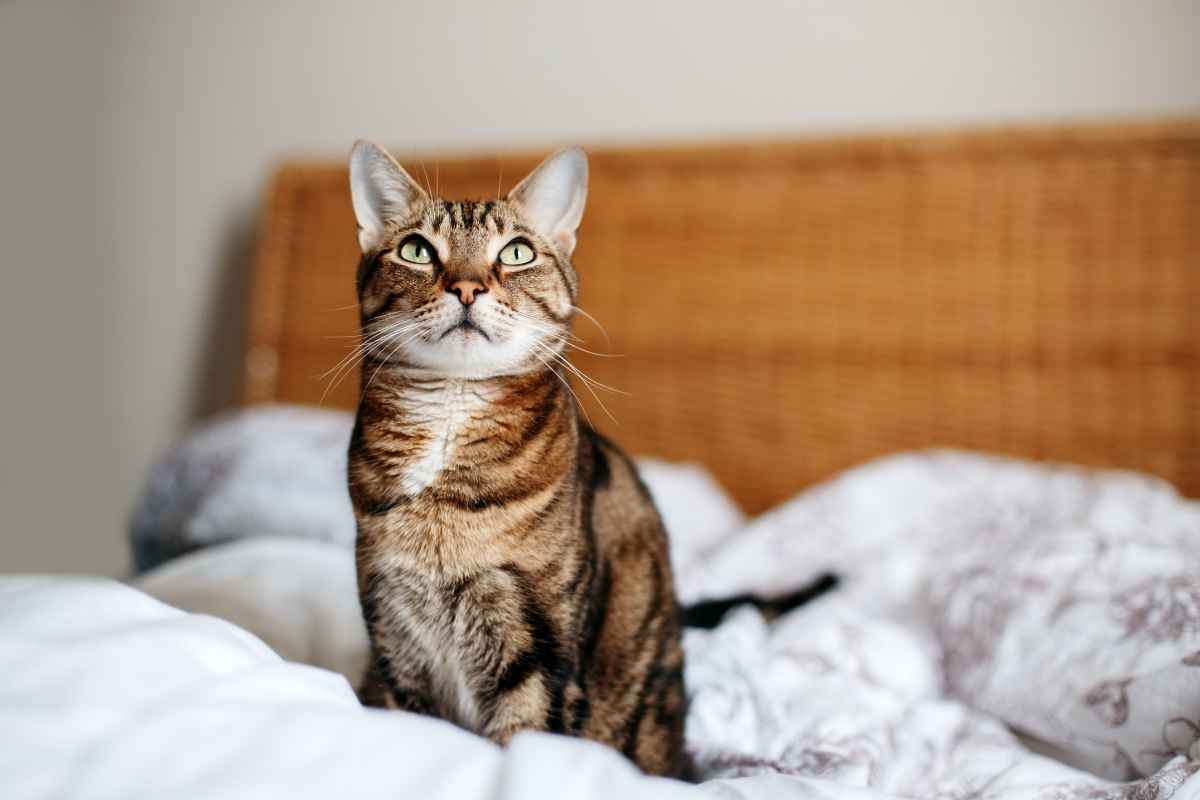
A cat that trails you from room to room, waits outside the bathroom door or sits nearby while you work wants to be close to you, even if it isn't asking to be petted.
6. A Tail Held High
- A tail straight up with a small curl at the tip means a friendly, confident greeting.
- A tail that wraps around your leg or arm is a bit like a hug.
- A quivering upright tail often shows excitement at seeing you.
7. Head Bumps and Cheek Rubs
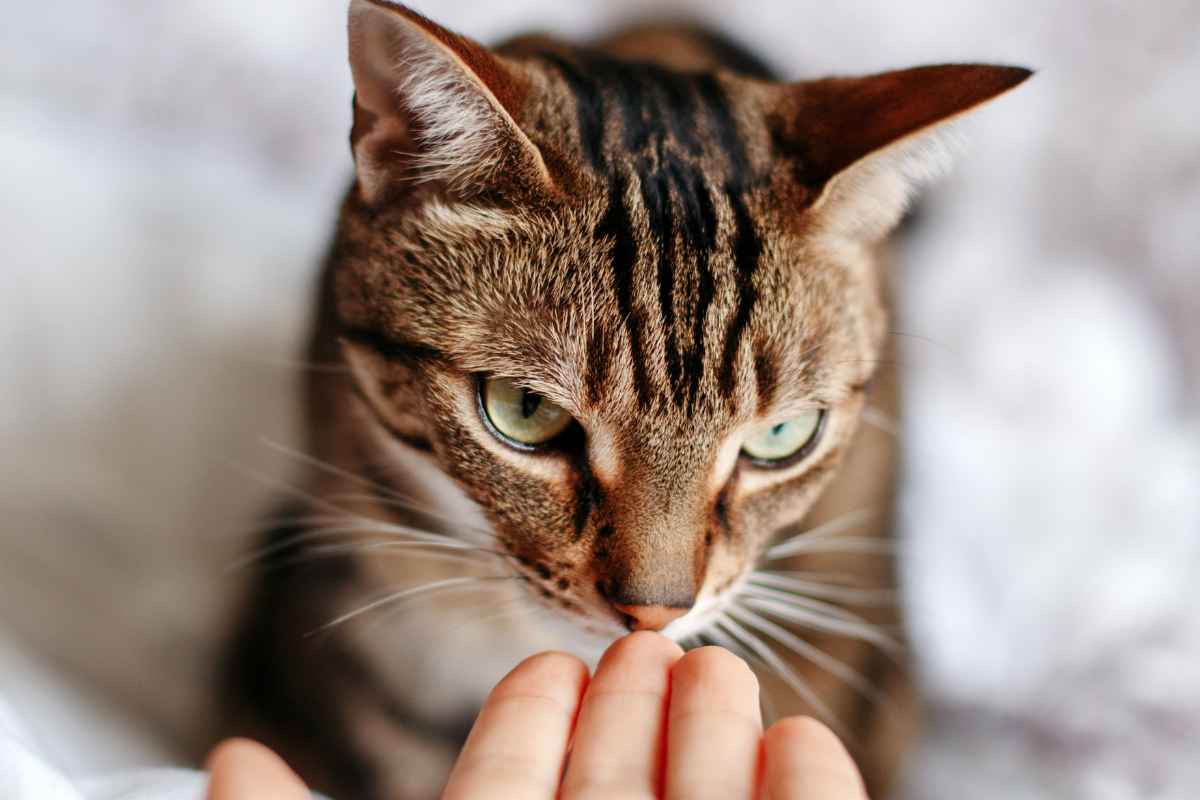
Cats have scent glands on their cheeks and head. When your cat rubs its face on you or bumps its head into you, it's marking you as part of its group. It's one of the clearest signs of affection.
8. Sleeping Near You or on You
Cats are vulnerable when they sleep, so they choose safe spots. If your cat naps on your bed, on your lap or right next to you, it trusts you to keep it safe.
9. Bringing You "Gifts" and Greeting You at the Door
Some cats bring toys (or less pleasant items) to their favorite people, meow when you come home or run to meet you. These are social behaviors cats save for people they're attached to.
Body Language That Means "Give Me Space"
Trust also means respecting your cat's limits. Back off and let your cat calm down if you see:
- Ears turned sideways or flat against the head
- A tail lashing or thumping back and forth
- Skin rippling along the back while you pet
- Dilated pupils in a normally lit room
- A crouched body, puffed fur, hissing or growling
Stopping when your cat asks you to is one of the fastest ways to build trust. Cats that learn you listen tend to come back for more attention on their own.
How to Get Your Cat to Trust You (and Like You More)
Whether you have a shy rescue or a cat that just seems indifferent, these steps help almost any cat warm up.
- Let your cat come to you. Sit on the floor, stay quiet and let your cat approach and sniff you. Don't chase or pick it up when it isn't ready.
- Offer a finger to sniff. Hold out one finger at nose height. If your cat rubs its cheek on it, gently pet the cheeks and chin, which most cats enjoy.
- Keep petting short. Stop before your cat gets bored. A few good strokes beat a long session that ends with a swat.
- Be the source of good things. Feed meals yourself, offer small treats and keep a regular schedule. Cats love routines.
- Play every day. Ten to fifteen minutes with a wand toy lets your cat hunt, burn energy and connect you with fun.
- Use a soft voice and slow movements. Loud noises and sudden moves make cats nervous.
- Give your cat safe spots. High perches, hiding boxes and a quiet room help a cat relax, and a relaxed cat is more social. See our cat room ideas.
- Never punish. Yelling or spraying water only teaches your cat to fear you. Redirect unwanted behavior instead, like we explain in why cats scratch furniture.
- Keep yourself calm. Many owners notice their pets react to their mood. Read can pets sense their owner's stress to learn more.
- Be patient. Some cats warm up in days, others take months. Every small step counts.
A little catnip during play can also help some cats relax and see you as a fun person to be around.
When a Change in Behavior Needs a Vet
If a cat that used to be affectionate suddenly hides, hisses when touched, stops grooming, eats less or uses places outside the litter box, it may be in pain or unwell. Changes like these are worth a vet visit before you assume it's a behavior problem. Our guide on getting your cat into a carrier makes the trip less stressful.
Our Favorite Pick for Bonding With Your Cat
- GoCat Da Bird Feather Wand: A classic wand toy that moves like a flying bird. Daily play sessions with it are one of the easiest ways to bond with a shy or bored cat.
Frequently Asked Questions
How long does it take for a cat to trust you?
It depends on the cat's personality and past. A social kitten may bond in a few days, while a shy or rescued adult can take weeks or months. Patience and routine speed things up.
Why does my cat show me its belly but bite when I touch it?
Showing the belly means your cat feels safe, not that it wants it touched. The belly is sensitive, so many cats react defensively. Pet the head and cheeks instead.
What does it mean when a cat slow blinks at you?
A slow blink is a relaxed, friendly signal. It shows your cat feels comfortable with you. Blinking slowly back is a nice way to answer.
How do I get my cat to like me more?
Let your cat set the pace, play with it every day, feed it on a routine, keep petting short and respect its "give me space" signals. Over time it will connect you with safety and fun.
Final Thoughts
Cats don't hand out trust easily, so every slow blink, head bump and nap on your lap means a lot. Watch your cat's body language, respect its limits and keep building good moments together. Once you've earned that trust, your cat's affection is deep and lasting.
Did you find this post useful or inspiring? Save THIS PIN to your Pets Board on Pinterest!
You may also like